
Welcoming a new puppy into your home can be a thrilling experience, but it also comes with a lot of responsibilities. One of the most important decisions you'll need to make is where your puppy should sleep at night. This may seem like a simple decision, but it's crucial for your puppy's safety, comfort, and training. In this article, we'll explore the best options for your puppy's nighttime sleeping arrangements and provide you with some valuable tips to help you make the right decision.
Why Does My Puppy's Sleeping Arrangement Matter?
Your puppy's sleeping arrangement is important for several reasons. Firstly, it can affect your puppy's sense of security and comfort. Puppies are pack animals and they thrive on being close to their family members. If your puppy is sleeping in a separate room or area, it can make them feel isolated and alone. Secondly, your puppy's sleeping arrangement can impact their training and behavior. If your puppy is sleeping in your bed, it can create bad habits and make it difficult to establish boundaries. Finally, your puppy's sleeping arrangement can also affect their safety. If your puppy is sleeping in a hazardous area, such as a room with toxic substances or electrical cords, it can put them at risk of injury or harm.

Options for Your Puppy's Sleeping Arrangement
There are several options for your puppy's sleeping arrangement, each with its own pros and cons. Here are some of the most popular options: crate training, sleeping in your bed, and sleeping in a separate room or area. Crate training is a popular option for many puppy owners. It provides a safe and comfortable space for your puppy to sleep, and it can also help with potty training and reduce separation anxiety. However, crate training can be restrictive, and some puppies may not like being confined to a small space.
Sleeping in your bed is another option, but it's not always the best choice. While it can be comforting for your puppy to sleep next to you, it can also create bad habits and make it difficult to establish boundaries. Additionally, if you have a large or rowdy puppy, it can be challenging to get a good night's sleep with them in your bed. Sleeping in a separate room or area is also an option, but it can make your puppy feel isolated and alone. However, it can also provide a quiet and comfortable space for your puppy to sleep, and it can help with training and establishing boundaries.
Creating a Safe and Comfortable Sleeping Space
No matter which option you choose, it's essential to create a safe and comfortable sleeping space for your puppy. Here are some tips to help you create the perfect sleeping space: provide a comfortable bed or mattress, keep the area quiet and dark, maintain a comfortable temperature, and minimize distractions. You should also puppy-proof the area by removing any hazardous substances or objects, and ensure that the area is well-ventilated.

Another important consideration is the type of bed or mattress you provide for your puppy. You can choose from a variety of options, including orthopedic beds, memory foam beds, and heated beds. Orthopedic beds are designed to provide support and comfort for your puppy's joints, while memory foam beds can help to reduce pressure points and improve sleep quality. Heated beds can be a great option for puppies that get cold easily, but they can also be a fire hazard if not used properly.
Training Your Puppy to Sleep Through the Night
Training your puppy to sleep through the night can be a challenging task, but it's essential for their health and well-being. Here are some tips to help you train your puppy to sleep through the night: establish a routine, provide plenty of exercise and mental stimulation, create a relaxing bedtime routine, and avoid overfeeding before bedtime. You should also minimize interactions with your puppy before bedtime, and avoid letting them sleep in your bed.
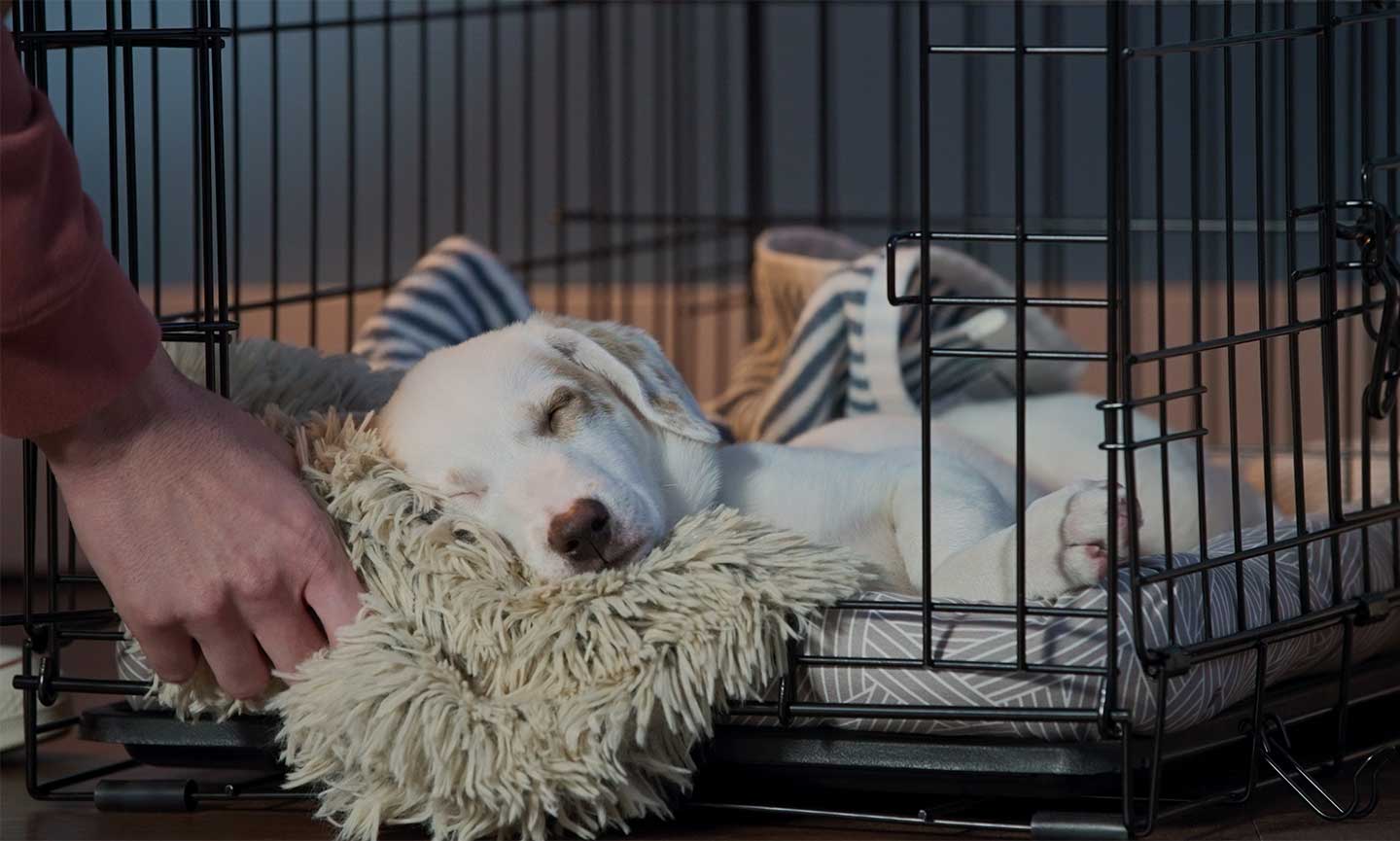
Establishing a routine is crucial for training your puppy to sleep through the night. You should create a schedule that includes regular feeding times, exercise, and playtime. You should also create a relaxing bedtime routine that includes activities such as reading, massage, or quiet play. This can help to calm your puppy and prepare them for sleep. Providing plenty of exercise and mental stimulation during the day can also help to tire your puppy out and improve the quality of their sleep.
Common Challenges and Solutions
Training your puppy to sleep through the night can be challenging, and you may encounter some common problems along the way. Here are some common challenges and solutions: whining and barking, accidents in the house, and separation anxiety. Whining and barking are common problems that can occur when your puppy is trying to sleep. To solve this problem, you should ignore your puppy's whining and barking, and only respond when they are quiet. You should also provide plenty of exercise and mental stimulation during the day to tire your puppy out.
Accidents in the house can be frustrating, but they are a normal part of the training process. To solve this problem, you should clean up any accidents immediately, and avoid punishing your puppy for having an accident. You should also provide plenty of opportunities for your puppy to go outside and relieve themselves, and reward them for good behavior. Separation anxiety is another common problem that can occur when your puppy is trying to sleep. To solve this problem, you should provide plenty of reassurance and comfort, and gradually increase the amount of time you spend away from your puppy.
In conclusion, where your puppy sleeps at night is an important decision that can affect their safety, comfort, and training. By considering the options and creating a safe and comfortable sleeping space, you can help your puppy get the rest they need to thrive. Remember to establish a routine, provide plenty of exercise and mental stimulation, and minimize interactions with your puppy before bedtime. With patience, consistency, and positive reinforcement, you can train your puppy to sleep through the night and become a well-behaved and well-adjusted adult dog.