Welcoming a new puppy into your home can be a thrilling experience, but it can also be overwhelming, especially when it comes to dealing with their nighttime crying. If you're reading this, chances are you're one of the many puppy owners who are struggling to get a good night's sleep due to their puppy's incessant crying. Don't worry, you're not alone, and I'm here to help you figure out why your puppy is crying at night and what you can do to soothe them.
Why Do Puppies Cry at Night?
Puppies cry for a variety of reasons, and it's essential to understand that crying is one of their primary ways of communicating. Just like human babies, puppies cry to express their needs, wants, and emotions. At night, puppies may cry due to a range of factors, including hunger, thirst, loneliness, or discomfort. It's also possible that your puppy is crying due to overstimulation or anxiety, which can be triggered by a change in their environment or a lack of routine.
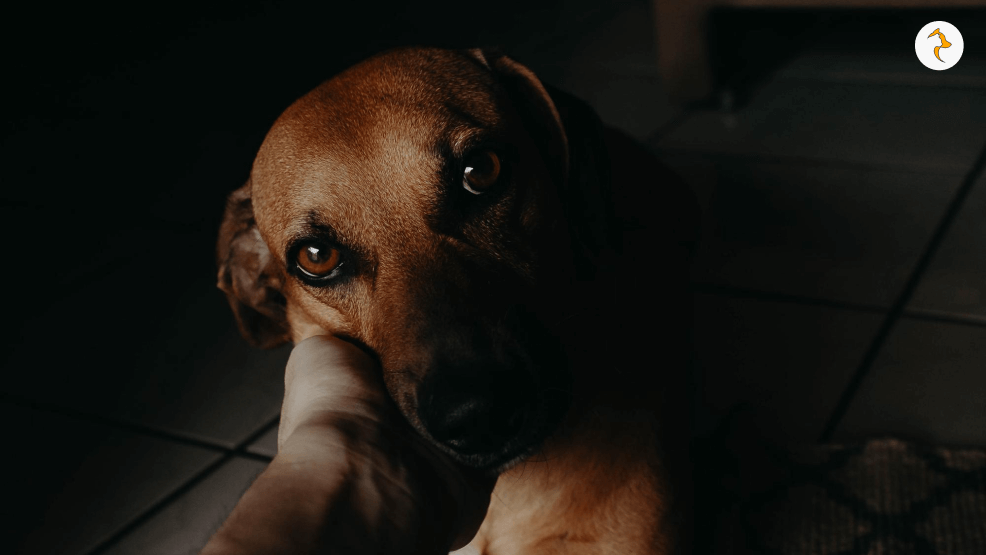
 Why Is My Puppy Crying at Night Why Do Puppies Cry at Night" loading="lazy" style="max-width:700px;width:100%;height:auto;border-radius:8px;">
Common Reasons for Nighttime Crying
Let's take a closer look at some of the most common reasons why puppies cry at night. Firstly, puppies may cry due to medical issues, such as pain, discomfort, or illness. For example, if your puppy is experiencing teething pain or has a tummy ache, they may cry to indicate their distress. Secondly, puppies may cry due to separation anxiety, which can occur when they're left alone in a room or crate. This type of anxiety can be triggered by a range of factors, including a change in their owner's work schedule or a move to a new home. Thirdly, puppies may cry due to boredom or lack of stimulation, which can happen if they're not getting enough exercise or mental stimulation during the day.
Environmental Factors
Environmental factors can also play a significant role in your puppy's nighttime crying. For instance, if your puppy is sleeping in a room that's too hot or cold, they may cry to indicate their discomfort. Similarly, if your puppy is exposed to loud noises or bright lights, they may become overstimulated and cry. It's also possible that your puppy is crying due to a lack of familiarity with their surroundings, which can happen if you've recently moved to a new home or introduced new furniture or decorations.

To address environmental factors, it's essential to create a comfortable and familiar sleep environment for your puppy. This can include providing a warm and cozy bed, blocking out loud noises, and maintaining a consistent temperature in the room. You can also try using white noise machines or calming music to help your puppy relax and fall asleep. Additionally, you can try using pheromone diffusers or calming treats to help reduce your puppy's stress and anxiety levels.
How to Soothe a Crying Puppy
So, what can you do to soothe a crying puppy? Firstly, it's essential to remain calm and patient, as puppies can pick up on their owner's emotions and become even more distressed if they sense anxiety or frustration. Next, try to identify the underlying reason for your puppy's crying and address it accordingly. If your puppy is crying due to hunger or thirst, make sure they have access to food and water. If your puppy is crying due to loneliness or separation anxiety, try providing them with a comfort object, such as a soft toy or blanket, or engaging in calming activities, such as gentle petting or massage.

It's also essential to establish a consistent bedtime routine to help your puppy wind down and prepare for sleep. This can include activities, such as a relaxing walk, playtime, or a calming bath. You can also try using calming aids, such as calming music or aromatherapy, to help your puppy relax and fall asleep. Remember, consistency is key when it comes to establishing a bedtime routine, so try to stick to the same routine every night, even on weekends or days off.
Training and Socialization
Training and socialization are also critical when it comes to addressing nighttime crying in puppies. Puppies that are well-trained and socialized tend to be more confident and calm, which can reduce the likelihood of nighttime crying. Try to engage your puppy in training activities, such as obedience training or agility training, to help them burn off energy and stimulate their mind. You can also try socializing your puppy with other dogs, people, and environments to help them become more confident and calm in new situations.
Socialization is particularly important for puppies, as it can help them develop good social skills and reduce the risk of anxiety and fear-based behaviors. Try to expose your puppy to a range of different environments, people, and animals, and reward them with treats and praise for calm behavior. You can also try enrolling your puppy in puppy socialization classes, which can provide a safe and controlled environment for them to interact with other puppies and people.
Seeking Professional Help
In some cases, nighttime crying in puppies can be a sign of an underlying medical or behavioral issue, which may require professional help. If your puppy's crying persists despite your best efforts to soothe them, it's essential to consult with a veterinarian or animal behaviorist to rule out any underlying health issues. A professional can help you identify the underlying cause of your puppy's crying and provide you with personalized advice and guidance on how to address it.
Remember, every puppy is different, and what works for one puppy may not work for another. Be patient, persistent, and gentle, and work with your puppy to find a solution that works for both of you. With time, effort, and the right guidance, you can help your puppy overcome nighttime crying and develop healthy sleep habits that will last a lifetime.
In conclusion, nighttime crying in puppies is a common issue that can be caused by a range of factors, including medical issues, separation anxiety, and environmental factors. By understanding the underlying reasons for your puppy's crying and taking a gentle, patient, and consistent approach, you can help soothe their distress and establish healthy sleep habits. Remember to seek professional help if your puppy's crying persists, and don't hesitate to reach out to a veterinarian or animal behaviorist for guidance and support.