
As a dachshund owner, one of the most important things you can do to ensure your furry friend lives a long and healthy life is to feed them a well-balanced diet. But with all the different types of dog food out there, it can be overwhelming to know what to choose. In this article, we'll break down the best feeding guide for dachshunds by age, so you can make informed decisions about your pet's nutrition.
Introduction to Dachshund Nutrition
Dachshunds are a unique breed with specific nutritional needs. They are prone to obesity, which can lead to a range of health problems, including back issues and diabetes. This means it's essential to monitor their food intake and ensure they're getting the right balance of nutrients. Dachshunds are also prone to certain health issues, such as hip dysplasia and eye problems, which can be managed with a healthy diet.
 Guide by Age Introduction to Dachshund Nutrition" loading="lazy" style="max-width:700px;width:100%;height:auto;border-radius:8px;">
A good quality dog food should be high in protein, moderate in fat, and low in carbohydrates. Dachshunds are carnivores, so they require a diet rich in meat. Look for dog food that lists meat as the first ingredient, and avoid fillers and by-products. You should also consider your dachshund's individual needs, such as their age, size, and activity level, when choosing a dog food.
Puppyhood (0-12 months)
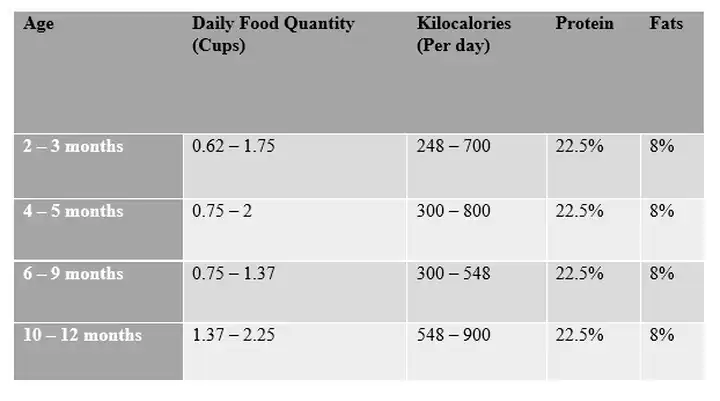
The first year of a dachshund's life is a critical period for growth and development. During this time, they require a nutrient-rich diet that supports their rapid growth and energy needs. Puppies need to be fed a high-calorie diet that is rich in protein and fat. Look for puppy food that is specifically formulated for small breeds, as these will have the right balance of nutrients for your dachshund.
 Feeding Guide by Age Adulthood 27 years" loading="lazy" style="max-width:700px;width:100%;height:auto;border-radius:8px;">
It's also important to feed your puppy frequently, as they have small stomachs and high energy needs. Divide your puppy's daily ration into 3-4 meals until they are about six months old, then you can gradually switch to twice a day. Be sure to monitor your puppy's weight and adjust their food intake accordingly. Overfeeding can lead to obesity, which can cause a range of health problems.
Adolescence (1-2 years)
As your dachshund enters adolescence, their nutritional needs begin to change. They require fewer calories and less protein than they did as puppies, but still need a balanced diet that supports their growth and development. At this stage, you can start to transition your dachshund to adult dog food, but be sure to choose a high-quality food that is formulated for small breeds.

It's also important to continue monitoring your dachshund's weight and adjust their food intake accordingly. Adolescent dachshunds can be prone to overeating, which can lead to obesity and other health problems. Be sure to limit treats and snacks, and avoid feeding your dachshund table scraps, as these can be high in calories and low in nutrients.
Adulthood (2-7 years)
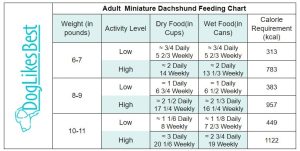
Once your dachshund reaches adulthood, their nutritional needs stabilize. They require a balanced diet that supports their maintenance and overall health. Look for adult dog food that is high in protein, moderate in fat, and low in carbohydrates. You should also consider your dachshund's individual needs, such as their activity level and health status, when choosing a dog food.
Adult dachshunds are prone to obesity, so it's essential to monitor their food intake and ensure they're getting enough exercise. Aim for at least one hour of exercise per day, which can include walks, playtime, and training sessions. You should also limit treats and snacks, and avoid feeding your dachshund table scraps, as these can be high in calories and low in nutrients.
Middle Age (7-10 years)
As your dachshund enters middle age, their nutritional needs begin to change again. They may require fewer calories and less protein than they did in their younger years, but still need a balanced diet that supports their overall health. At this stage, you can start to consider a senior dog food, which is formulated to meet the needs of older dogs.
Senior dog food is often lower in calories and protein than adult dog food, but still provides essential nutrients for overall health. Look for senior dog food that is high in fiber and low in fat, as this can help support your dachshund's digestive health. You should also consider your dachshund's individual needs, such as their health status and activity level, when choosing a senior dog food.
Senior Years (10+ years)
As your dachshund enters their senior years, their nutritional needs are more critical than ever. They require a diet that is easy to digest and provides essential nutrients for overall health. Senior dachshunds are prone to a range of health issues, including arthritis, dental problems, and cognitive decline, which can be managed with a healthy diet.
Look for senior dog food that is specifically formulated for small breeds, as these will have the right balance of nutrients for your dachshund. You should also consider your dachshund's individual needs, such as their health status and activity level, when choosing a senior dog food. Be sure to monitor your dachshund's weight and adjust their food intake accordingly, as senior dogs can be prone to weight gain.

In conclusion, feeding your dachshund a well-balanced diet is critical for their overall health and well-being. By following this feeding guide, you can ensure your dachshund is getting the nutrients they need at every stage of their life. Remember to always consult with your veterinarian before making any changes to your dachshund's diet, and to monitor their health and adjust their food intake accordingly.