
When it comes to loyal and intelligent dog breeds, the Doberman Pinscher is certainly one of the most popular and recognizable breeds out there. With their sleek, athletic build and short, smooth coats, it's no wonder why many dog owners and enthusiasts have fallen in love with this breed. But if you're considering bringing a Doberman Pinscher into your family, there are a few things you should know before making a decision. In this article, we'll delve into the world of Doberman Pinschers, exploring their history, temperament, grooming needs, and more, to help you determine if this breed is right for you.
History of the Doberman Pinscher
The Doberman Pinscher has a rich and fascinating history that dates back to the late 19th century. The breed was developed in Germany by Friedrich Louis Dobermann, a tax collector and dog breeder, who sought to create a dog that was intelligent, loyal, and protective. Dobermann's goal was to create a breed that could serve as a companion dog, guard dog, and police dog all in one. To achieve this, he crossed various breeds, including the German Pinscher, the Rottweiler, and the Black and Tan Terrier, to create the Doberman Pinscher we know today. The breed quickly gained popularity in Germany and soon spread to other parts of the world, becoming a beloved breed among dog owners and enthusiasts.
 Dog Breed Guide History of the Doberman Pinscher" loading="lazy" style="max-width:700px;width:100%;height:auto;border-radius:8px;">
Temperament and Personality
One of the most distinctive characteristics of the Doberman Pinscher is its temperament and personality. Known for their loyalty and intelligence, Doberman Pinschers are often described as Velcro dogs, as they love to be close to their family members and can become Velcro-like in their attachment. They are also highly trainable, which makes them a popular choice for police and military work. However, their high energy levels and strong prey drive mean they require regular exercise and mental stimulation to prevent boredom and destructive behavior. With proper training and socialization, Doberman Pinschers can thrive in a variety of living situations, from apartments to houses with large yards.
Grooming Needs
When it comes to grooming, the Doberman Pinscher is a relatively low-maintenance breed. Their short, smooth coats require only occasional brushing and bathing, making them a great choice for busy owners. However, their nails, ears, and teeth do require regular attention to prevent health issues. Doberman Pinschers are also prone to shedding, particularly during the spring and fall months, so be prepared for some extra cleaning and grooming during these times. Overall, the Doberman Pinscher's grooming needs are relatively straightforward, but regular attention is still necessary to keep them looking and feeling their best.
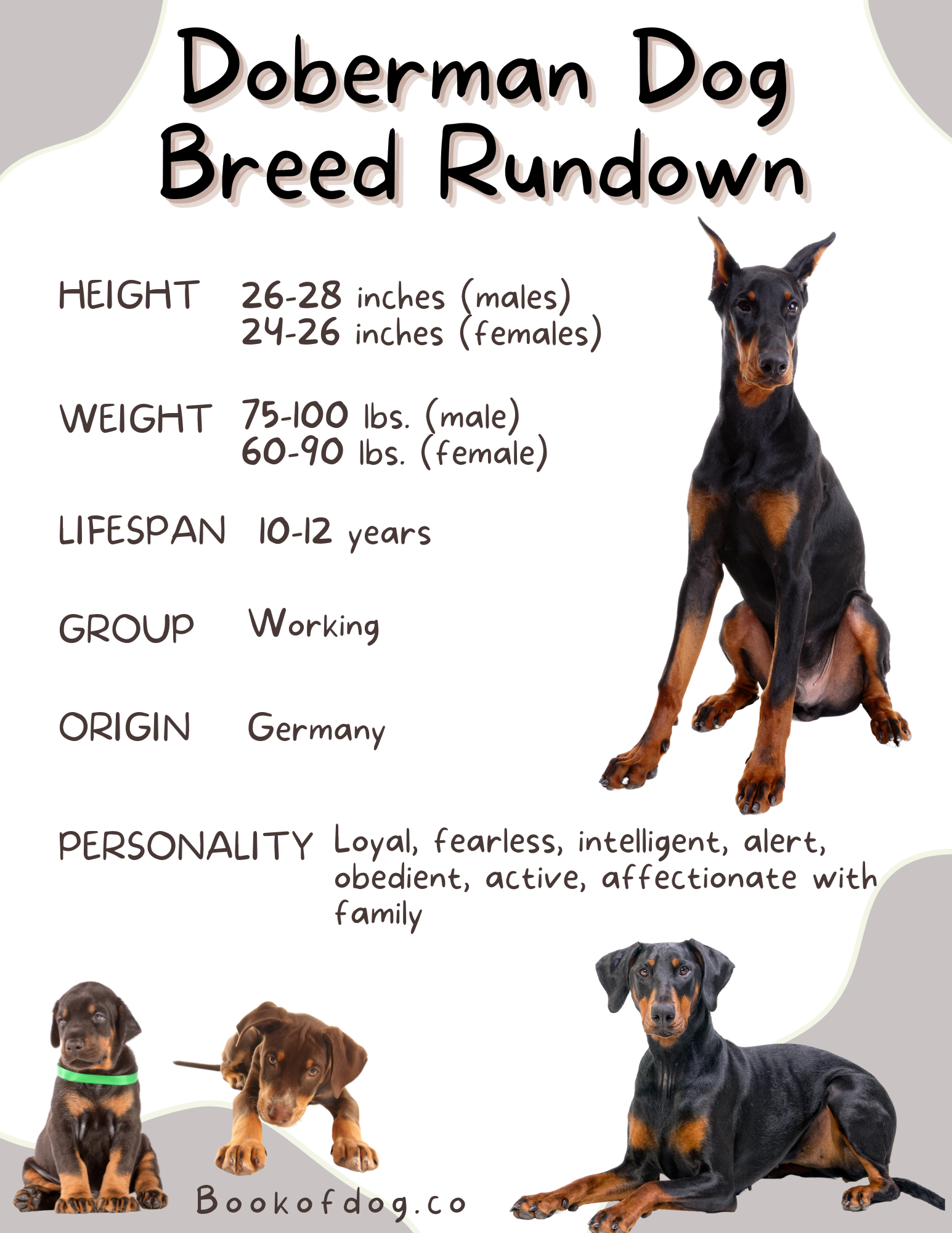
In addition to their physical grooming needs, Doberman Pinschers also require regular exercise and mental stimulation to stay happy and healthy. This can include daily walks, runs, and playtime, as well as training sessions and interactive toys. Doberman Pinschers are highly intelligent and thrive on mental stimulation, so be prepared to engage their minds as well as their bodies. With the right balance of exercise, training, and socialization, Doberman Pinschers can become well-adjusted and well-behaved members of your family.
Health Considerations
Like all breeds, the Doberman Pinscher is prone to certain health issues that can affect their quality of life. One of the most common health issues affecting Doberman Pinschers is cardiomyopathy, a heart condition that can lead to heart failure. They are also prone to hip dysplasia, a genetic condition that can cause arthritis and mobility issues. Additionally, Doberman Pinschers can be susceptible to certain cancers, such as osteosarcoma and lymphoma, as well as eye problems like cataracts and progressive retinal atrophy. Regular veterinary care, including check-ups and screenings, can help identify these issues early on, and responsible breeding practices can help reduce the risk of inherited health problems.

Another important consideration when it comes to the health of your Doberman Pinscher is their diet and nutrition. Doberman Pinschers are prone to food allergies and sensitivities, so it's essential to choose a high-quality dog food that meets their nutritional needs. A balanced diet that includes plenty of protein, fat, and complex carbohydrates can help support their overall health and well-being. Additionally, be sure to provide plenty of fresh water and limit treats and table scraps, as these can contribute to weight gain and other health issues.
Training and Socialization
Training and socialization are essential for any dog breed, but they're especially important for Doberman Pinschers. Due to their high energy levels and strong prey drive, Doberman Pinschers require regular training and socialization to prevent behavioral issues. This can include obedience training, agility training, and socialization with other dogs and people. Positive reinforcement training methods, such as clicker training and reward-based training, are highly effective with Doberman Pinschers, as they thrive on praise and rewards. With consistent training and socialization, Doberman Pinschers can become well-behaved and well-adjusted members of your family.

In addition to training and socialization, it's also essential to consider the living situation and lifestyle of your Doberman Pinscher. Doberman Pinschers are highly energetic and require regular exercise and mental stimulation to prevent boredom and destructive behavior. They thrive in homes with large yards or access to parks and outdoor spaces, where they can run and play to their heart's content. However, they can also adapt to apartment living, provided they receive regular exercise and attention. With the right balance of exercise, training, and socialization, Doberman Pinschers can thrive in a variety of living situations.
Conclusion
In conclusion, the Doberman Pinscher is a loyal, intelligent, and athletic breed that makes a great companion for active families and individuals. With their short, smooth coats and sleek, muscular build, they're a popular choice for many dog owners and enthusiasts. However, they do require regular exercise, training, and socialization to prevent behavioral issues and health problems. By understanding the needs and characteristics of the Doberman Pinscher, you can make an informed decision about whether this breed is right for you. With the right care and attention, a Doberman Pinscher can become a beloved and loyal member of your family, providing years of love, companionship, and joy.