
As a dog owner, you're probably no stranger to the chaos that ensues after a bath. The shaking, the spraying, the general mayhem - it's a wonder we don't all have to replace our walls and floors after every bath time. But in all seriousness, drying your dog after a bath is a crucial part of the process, and it's essential to do it correctly to prevent skin irritations and infections. In this article, we'll take a look at the best ways to dry your dog after a bath, and provide some helpful tips and tricks to make the process easier and less stressful for both you and your furry friend.
Why Drying Your Dog is Important
Drying your dog after a bath is important for several reasons. Firstly, it helps to prevent skin irritations and infections. When your dog's coat is wet, it creates the perfect environment for bacteria and fungi to thrive, which can lead to all sorts of problems, from minor skin irritations to full-blown infections. By drying your dog thoroughly, you can help to prevent these issues and keep their skin healthy and happy. Additionally, drying your dog can help to reduce the risk of ear infections, which are common in dogs and can be painful and uncomfortable. By drying your dog's ears thoroughly, you can help to prevent moisture from building up and creating an environment where bacteria and fungi can thrive.
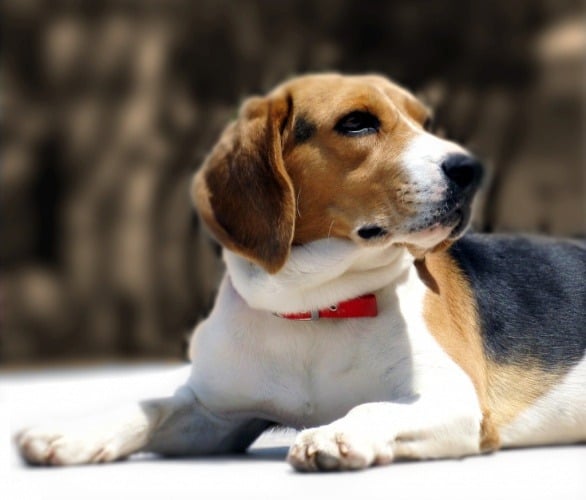
The Best Ways to Dry Your Dog
So, how do you dry your dog after a bath? There are several methods you can use, and the best one for you will depend on your dog's size, breed, and individual needs. One of the most common methods is to use a towel. This is a simple and effective way to dry your dog, and it's especially useful for smaller breeds. Simply wrap your dog in a towel and gently rub them dry, being careful not to rub too hard and cause irritation. For larger breeds, you may need to use multiple towels, or try a different method altogether.
Another method is to use a blow dryer. This can be a bit more tricky, as you'll need to be careful not to scare your dog or cause them discomfort. However, it's a great way to dry your dog quickly and thoroughly, especially in colder weather. Just be sure to use a low setting and keep the blow dryer at a safe distance from your dog's skin. You can also use a deshedding tool or a microfiber cloth to help remove excess water and speed up the drying process.
Drying Specific Areas
When it comes to drying your dog, there are certain areas that require extra attention. The ears, for example, are particularly prone to infection, so it's essential to dry them thoroughly after a bath. You can use a cotton ball or soft cloth to gently wipe away any excess water, and then use a towel to dry the outer ear. Be careful not to insert anything into your dog's ear canal, as this can cause damage and discomfort.
The paws are another area that require special attention. After a bath, your dog's paws can be prone to slipping and sliding, which can be hazardous, especially on smooth surfaces. To dry your dog's paws, you can use a towel to gently pat them dry, and then use a blow dryer on a low setting to dry them more thoroughly. You can also use a non-slip mat or a towel to provide traction and prevent slipping.

Tips and Tricks for Drying Your Dog
Drying your dog after a bath can be a challenging and time-consuming process, but there are several tips and tricks you can use to make it easier and less stressful for both you and your dog. One of the most important things is to be patient and gentle. Drying your dog can be a bit of a sensory overload, especially if they're not used to it, so it's essential to approach the process calmly and gently. You can also try using positive reinforcement techniques, such as treats and praise, to help your dog associate the drying process with positive experiences.
Another tip is to use the right equipment. As we mentioned earlier, towels, blow dryers, and deshedding tools can all be useful for drying your dog. However, it's essential to choose the right equipment for your dog's individual needs. For example, if your dog has sensitive skin, you may want to avoid using a blow dryer or opt for a gentler deshedding tool. You can also try using a dog drying coat or a drying vest to help speed up the drying process and keep your dog warm and cozy.

Common Mistakes to Avoid
When it comes to drying your dog after a bath, there are several common mistakes to avoid. One of the most common mistakes is to rub your dog too hard with a towel. This can cause irritation and discomfort, especially if your dog has sensitive skin. Instead, try gently patting your dog dry with a towel, and then using a blow dryer or deshedding tool to remove excess water.
Another mistake is to dry your dog too quickly. While it's tempting to get your dog dry as quickly as possible, especially if they're shaking and spraying water everywhere, it's essential to take your time and do it gently. Drying your dog too quickly can cause stress and discomfort, and may even lead to skin irritations and infections. Instead, try taking your time and doing it in stages, allowing your dog to relax and calm down between each stage.

Conclusion
Drying your dog after a bath is an essential part of the grooming process, and it's crucial to do it correctly to prevent skin irritations and infections. By using the right equipment, being patient and gentle, and taking your time, you can help to keep your dog's skin healthy and happy. Remember to dry specific areas, such as the ears and paws, with extra care, and avoid common mistakes, such as rubbing too hard or drying too quickly. With a little practice and patience, you can become a pro at drying your dog after a bath, and help to keep them clean, happy, and healthy.