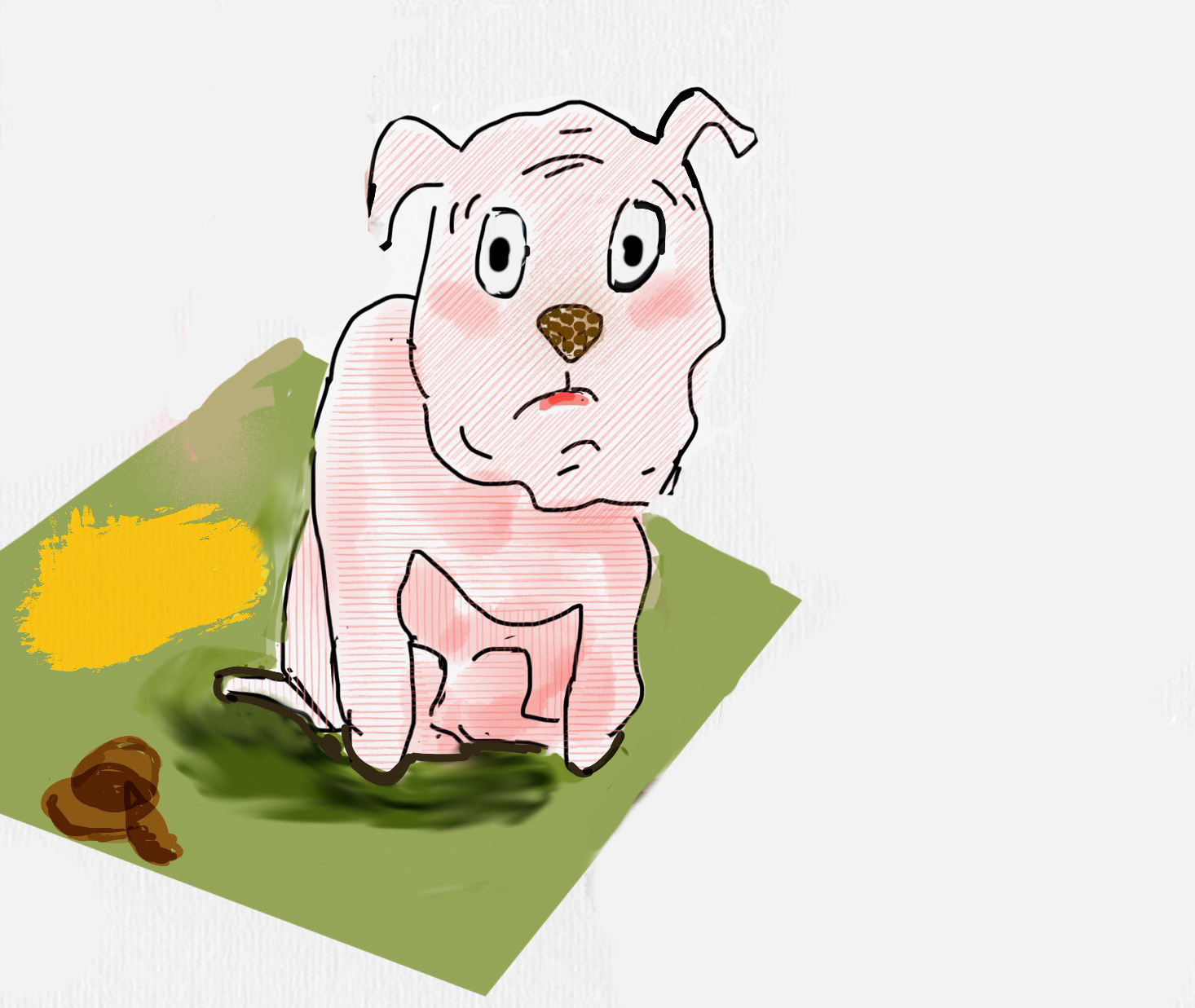
Welcoming a new puppy into your family can be a thrilling experience, but it also comes with its fair share of challenges. One of the most significant hurdles you'll face is potty training your puppy. It's essential to establish a consistent and effective potty training routine to help your puppy learn where and when to go. In this article, we'll take you through a step-by-step guide on how to potty train a puppy, making the process easier and less stressful for both you and your furry friend.
Preparation is Key
Before you start potty training your puppy, it's crucial to prepare everything you need. This includes choosing a designated potty area, getting the right equipment, and establishing a routine. The designated potty area should be easily accessible and preferably close to your back door. You'll also need puppy pads, a crate, and plenty of treats and praise to reward good behavior.
 Step by Step Preparation is Key" loading="lazy" style="max-width:700px;width:100%;height:auto;border-radius:8px;">
Understanding Your Puppy's Needs
Puppies have small bladders and can't hold their urine for long periods. They need to go out frequently, especially after meals, naps, and playtime. It's essential to understand your puppy's body language and behavior to recognize when they need to go. If your puppy starts sniffing, circling, or squatting, it's likely they need to go to the bathroom. Take them to the designated potty area immediately to prevent accidents.
Establishing a Routine
A consistent routine is vital for successful potty training. Take your puppy outside to the designated potty area immediately after meals, naps, and playtime. Use a specific command like "go potty" or "do your business" to help your puppy associate the command with the action. Praise and reward your puppy with treats and affection when they go to the bathroom in the designated area. This positive reinforcement will help your puppy learn faster and reduce the risk of accidents.
It's also essential to keep an eye on the clock and take your puppy out at regular intervals. Puppies can't hold their urine for more than a few hours, so take them out every hour or two, depending on their age and size. As your puppy grows and becomes more reliable with potty training, you can gradually increase the time between potty breaks.

Crate Training
Crate training is an effective way to housetrain your puppy, especially when you're not home to supervise. Dogs are naturally den animals and feel secure in small, enclosed spaces. The crate will help your puppy learn to hold their bladder and bowels until you take them outside. Introduce the crate gradually, starting with short periods and increasing the time as your puppy becomes more comfortable.
Make sure the crate is the right size for your puppy. It should be large enough for your puppy to stand up, turn around, and lie down comfortably. Add a comfortable bed or mattress to make the crate a cozy and inviting space.
Dealing with Accidents
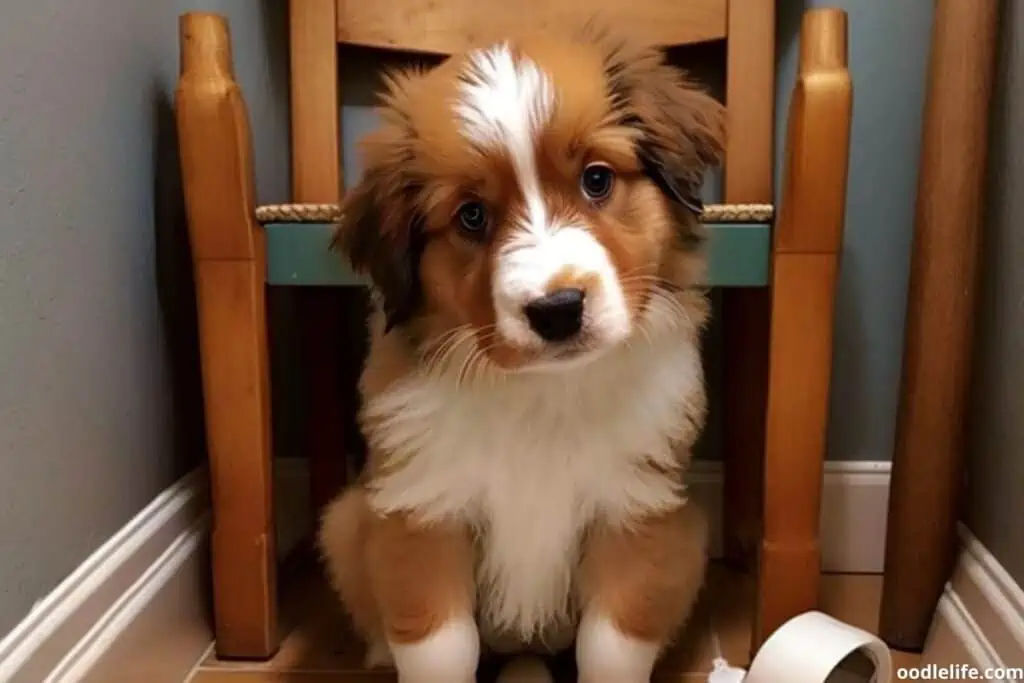
Accidents will happen, even with the best potty training routine. If your puppy has an accident in the house, don't scold or punish them. This can create negative associations and make the potty training process more challenging. Instead, clean up the accident with a pet-safe cleaner, and try to prevent it from happening again in the future.
If you catch your puppy in the act, calmly say "outside" or "no" and quickly take them to the designated potty area. Praise and reward your puppy if they finish going to the bathroom outside. Remember, accidents are an opportunity to learn and adjust your potty training routine as needed.
Gradually Increasing Freedom
As your puppy becomes more reliable with potty training, you can gradually give them more freedom in the house. Start by allowing them to roam freely in a puppy-proofed room or area, then gradually increase their access to the rest of the house. Remember to supervise your puppy at all times, especially in the early stages of potty training.
With patience, consistency, and positive reinforcement, your puppy will learn to go to the bathroom outside where they belong. Don't expect your puppy to be fully potty trained overnight, as it can take several months for them to master the skill. Stay calm, and remember that accidents are a normal part of the potty training process.
Additional Tips and Tricks
In addition to the steps outlined above, here are some extra tips and tricks to help you potty train your puppy:
- Watch for signs: Puppies will often sniff, circle, or squat before they go to the bathroom. If you see your puppy exhibiting these behaviors, quickly take them to the designated potty area.
- Use positive reinforcement: Praise and reward your puppy with treats, affection, and playtime when they go to the bathroom in the designated area.
- Be consistent: Stick to a consistent routine and use the same commands and rewards each time you take your puppy outside.
- Keep an eye on the weather: If it's raining or cold outside, your puppy may not want to go to the bathroom. Try to make the experience more enjoyable by using a covered area or providing a warm and cozy place to go.
- Don't punish accidents: Accidents will happen, but punishing your puppy can create negative associations and make the potty training process more challenging.
Potty training a puppy requires patience, consistency, and positive reinforcement. By following the steps outlined in this article and using the tips and tricks provided, you can help your puppy learn to go to the bathroom outside where they belong. Remember to stay calm and patient, and don't expect your puppy to be fully potty trained overnight. With time and effort, your puppy will master the skill, and you'll enjoy a cleaner, happier, and healthier home.