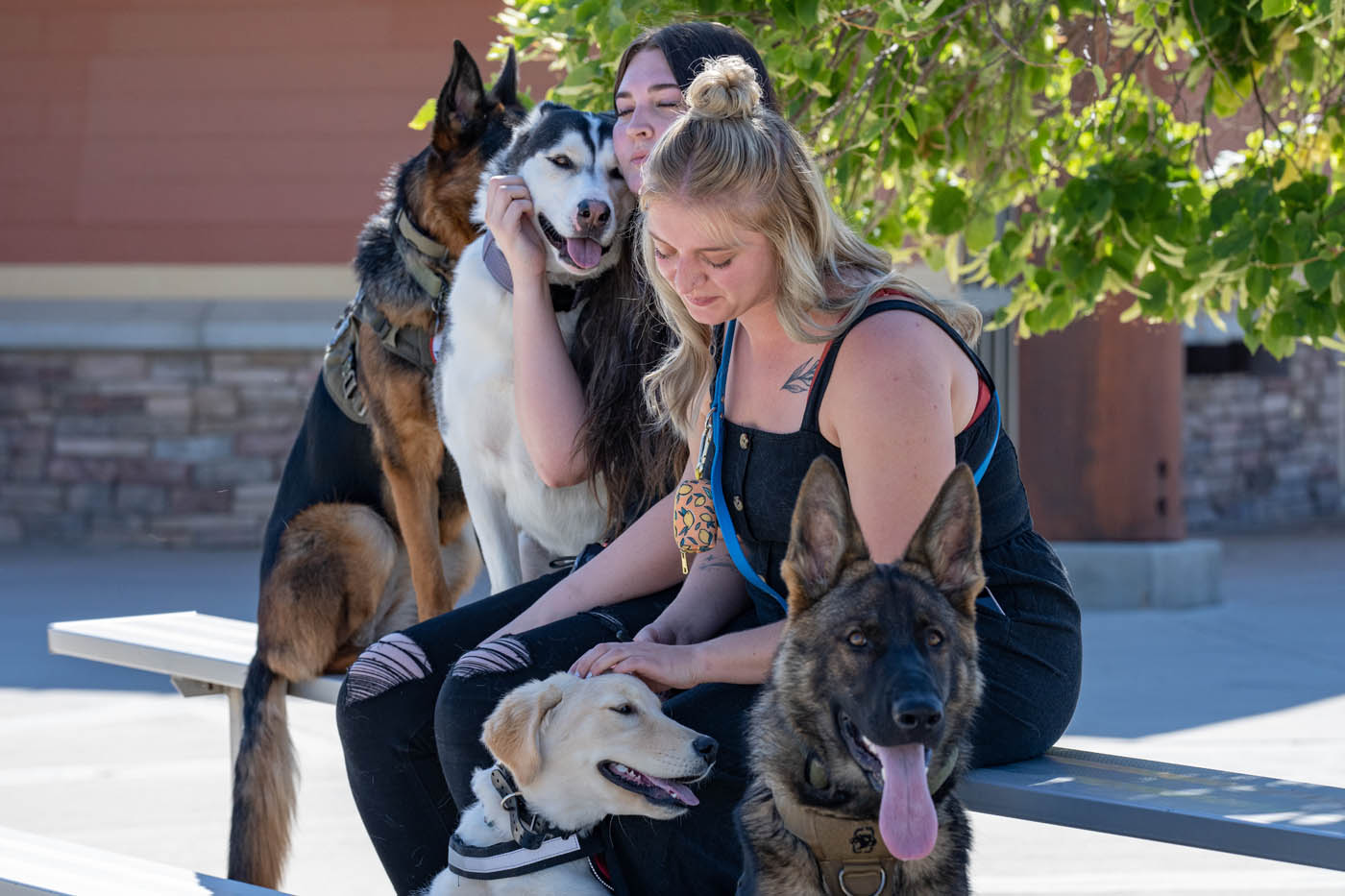
As a dog owner and a parent, one of the most important things you can do is teach your dog how to behave around children. Not only is it essential for the safety and well-being of your kids, but it's also crucial for the happiness and health of your furry friend. In this article, we'll explore the ins and outs of training dogs around children, including tips, tricks, and best practices to ensure a harmonious household.
Understanding Canine Behavior
Before we dive into the nitty-gritty of training, it's essential to understand canine behavior and body language. Dogs communicate primarily through non-verbal cues, such as ear position, tail wagging, and vocalizations. When it comes to children, dogs may feel threatened, excited, or curious, leading to a range of reactions. By recognizing these cues, you can intervene early and prevent any potential conflicts.
 How To Train Dogs Around Children Understanding Canine Behavior" loading="lazy" style="max-width:700px;width:100%;height:auto;border-radius:8px;">
For example, if your dog's ears are laid back, and their tail is tucked between their legs, they may be feeling anxious or fearful. On the other hand, if their tail is wagging, and their ears are perked up, they're likely excited and ready to play. By paying attention to these subtle cues, you can adjust your training approach and ensure a positive experience for both your dog and your children.
Preparation is Key
Before introducing your dog to children, it's crucial to prepare your furry friend for the experience. This includes socialization, obedience training, and desensitization to loud noises and sudden movements. Socialization is critical, as it helps your dog become confident and calm in the presence of new people, including children. You can socialize your dog by exposing them to various environments, people, and situations, starting from an early age.
Obedience training is also vital, as it teaches your dog to respond to basic commands, such as "sit," "stay," and come.This helps you maintain control and ensures your dog's safety in the presence of children. Desensitization to loud noises and sudden movements is also essential, as children can be unpredictable and loud. You can desensitize your dog by exposing them to gradual levels of noise and movement, starting from a low level and increasing the intensity over time.
To Train Dogs Around Children Managing Interactions Between Dogs and Children" loading="lazy" style="max-width:700px;width:100%;height:auto;border-radius:8px;">
Training Tips and Tricks
Now that we've covered the basics, let's dive into some practical training tips and tricks. One of the most effective ways to train your dog around children is to use positive reinforcement techniques, such as treats, praise, and affection. When your dog exhibits calm behavior around children, reward them with treats and praise to reinforce the behavior.
Another effective technique is to use child-friendly commands, such as "gentle" or "easy," to teach your dog to interact with children gently. You can also teach your dog to "leave it" or "drop it" to prevent them from taking toys or other objects from children. It's also essential to supervise interactions between your dog and children, especially in the early stages of training, to ensure everyone's safety and well-being.
Children can be unpredictable, and dogs may misinterpret their behavior, leading to conflicts. By supervising interactions, you can intervene early and prevent any potential issues.
 Train Dogs Around Children" loading="lazy" style="max-width:700px;width:100%;height:auto;border-radius:8px;">
Managing Interactions Between Dogs and Children
Managing interactions between dogs and children requires patience, attention to detail, and a deep understanding of canine behavior. One of the most critical things to remember is to never leave your dog and children alone together, especially in the early stages of training. This helps prevent any potential conflicts and ensures everyone's safety.
When interacting with your dog and children, it's essential to maintain a calm and assertive tone. Avoid yelling or punishing your dog, as this can create anxiety and fear. Instead, focus on positive reinforcement techniques, such as treats and praise, to encourage good behavior. You should also teach your children how to interact with your dog safely and respectfully, including gentle petting, avoiding sudden movements, and not teasing or provoking your dog.
By teaching your children how to interact with your dog, you can create a harmonious and safe environment for everyone.

Common Challenges and Solutions
Training dogs around children can be challenging, and you may encounter various obstacles along the way. One common challenge is resource guarding, where your dog becomes protective of their food, toys, or space. To overcome this, you can teach your dog to "drop it" or "leave it" and reward them for calm behavior around children.
Another common challenge is fear or aggression, where your dog becomes anxious or defensive around children. To address this, you can work with a professional dog trainer or behaviorist to develop a customized training plan. This may include desensitization, counterconditioning, and positive reinforcement techniques to help your dog feel more confident and calm around children.
By understanding common challenges and solutions, you can create a tailored training plan that meets your dog's unique needs and personality. Remember, every dog is different, and what works for one dog may not work for another. Be patient, persistent, and positive, and you'll be well on your way to creating a harmonious and safe environment for your dog and children.
Conclusion
Training dogs around children requires patience, attention to detail, and a deep understanding of canine behavior. By following the tips, tricks, and best practices outlined in this article, you can create a harmonious and safe environment for your dog and children. Remember to socialize your dog, teach obedience commands, and desensitize them to loud noises and sudden movements.
Supervise interactions between your dog and children, and maintain a calm and assertive tone. Teach your children how to interact with your dog safely and respectfully, and be patient and persistent when addressing common challenges. With time, effort, and positive reinforcement, you can help your dog become a valued and beloved member of your family, and create a lifelong bond between your dog and children.