
As a dog owner, one of the most significant concerns you may have is your furry friend's tendency to bite. Whether it's due to fear, anxiety, or overexcitement, biting can be a challenging behavior to address. However, with patience, consistency, and positive reinforcement, you can train your dog not to bite. In this article, we'll delve into the reasons why dogs bite and provide you with a step-by-step guide on how to train your dog to overcome this behavior.
Understanding Why Dogs Bite
Dogs bite for a variety of reasons, and it's essential to understand the underlying causes of this behavior. Some common reasons why dogs bite include fear, anxiety, pain, or overexcitement. Puppies, in particular, may bite due to teething or playfulness. As they grow and mature, it's crucial to teach them that biting is not an acceptable behavior.
 To Train Dogs Not to Bite Understanding Why Dogs Bite" loading="lazy" style="max-width:700px;width:100%;height:auto;border-radius:8px;">
In some cases, dogs may bite due to a lack of socialization or training. If your dog is not exposed to various environments, people, and situations, they may become fearful or aggressive, leading to biting. Additionally, dogs that are not trained to respond to basic commands, such as "sit" or "stay," may resort to biting when they feel overwhelmed or frustrated.
Recognizing the Signs of Biting
It's vital to recognize the signs of biting in your dog, as early intervention can prevent this behavior from becoming a habit. Some common signs of biting include growling, snarling, or showing their teeth. If your dog is displaying these behaviors, it's essential to address them immediately and seek professional help if necessary.
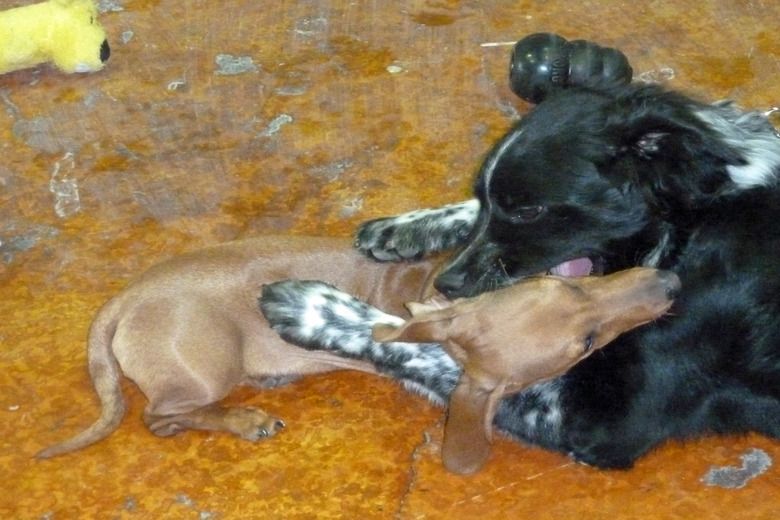
Another sign of biting is resource guarding, where your dog becomes protective of their food, toys, or space. This behavior can escalate into biting if not addressed promptly. By recognizing these signs, you can take proactive steps to prevent biting and ensure a safe and harmonious relationship with your dog.
Preventing Biting in Puppies
Puppies are naturally curious and playful, and biting is a common behavior during this stage. However, it's crucial to teach your puppy that biting is not acceptable from an early age. One way to do this is by providing your puppy with plenty of chew toys and redirecting their attention away from human skin.

Another effective way to prevent biting in puppies is through socialization. Expose your puppy to various environments, people, and situations to help them become confident and calm in new situations. This will reduce the likelihood of fear-based biting and ensure your puppy grows into a well-adjusted and well-behaved adult dog.
Training Your Dog Not to Bite
Training your dog not to bite requires patience, consistency, and positive reinforcement. The first step is to establish clear boundaries and rules, ensuring your dog understands what is expected of them. Start by teaching your dog basic obedience commands, such as "sit," "stay," and "leave it." These commands will help you manage situations where your dog may be tempted to bite.
Another effective training method is desensitization and counterconditioning. This involves gradually exposing your dog to stimuli that may trigger biting, such as loud noises or strangers, while rewarding them for calm behavior. By doing so, you'll help your dog associate these stimuli with positive outcomes, reducing the likelihood of biting.

In addition to these methods, it's essential to manage situations where your dog may be tempted to bite. For example, if your dog is prone to resource guarding, ensure they have a safe and secure space to eat and relax. By managing these situations and providing your dog with a stable and predictable environment, you can reduce the likelihood of biting and ensure a safe and harmonious relationship with your dog.
Addressing Fear-Based Biting
Fear-based biting is a common issue in dogs, and it's essential to address this behavior with sensitivity and patience. If your dog is biting due to fear, it's crucial to identify the underlying causes of this fear and develop a plan to address it. This may involve gradual exposure to the feared stimulus, such as a stranger or a loud noise, while rewarding your dog for calm behavior.
In some cases, fear-based biting may require professional help from a dog trainer or behaviorist. They can help you develop a customized training plan to address your dog's specific needs and ensure a safe and effective outcome. By addressing fear-based biting, you can help your dog feel more confident and secure, reducing the likelihood of biting and ensuring a stronger bond between you and your dog.
Managing Biting in Adult Dogs
Managing biting in adult dogs can be more challenging than in puppies, as adult dogs may have entrenched habits and behaviors. However, with patience, consistency, and positive reinforcement, you can still train your adult dog not to bite. Start by establishing clear boundaries and rules, and ensure your dog understands what is expected of them.
In addition to establishing clear boundaries, it's essential to provide your adult dog with plenty of physical and mental stimulation. This can include regular exercise, training sessions, and interactive toys and games. By providing your dog with a stimulating and engaging environment, you can reduce the likelihood of biting and ensure a happy and healthy relationship with your dog.

Another effective way to manage biting in adult dogs is through positive reinforcement training. Focus on rewarding your dog for calm and relaxed behavior, rather than punishing them for biting. By doing so, you'll help your dog associate calm behavior with positive outcomes, reducing the likelihood of biting and ensuring a stronger bond between you and your dog.
Conclusion
Training your dog not to bite requires patience, consistency, and positive reinforcement. By understanding the underlying causes of biting, recognizing the signs of biting, and developing a customized training plan, you can help your dog overcome this behavior. Remember to establish clear boundaries and rules, provide plenty of physical and mental stimulation, and focus on rewarding calm and relaxed behavior.
With time and effort, you can help your dog become a well-behaved and well-adjusted member of your family. Don't hesitate to seek professional help if you're struggling to address biting in your dog, as early intervention can prevent this behavior from becoming a habit. By working together with your dog and providing them with the right training and support, you can build a strong and lasting bond and enjoy a happy and harmonious relationship with your furry friend. [IMAGE]