
As a dog owner, you're probably aware of the importance of trimming your dog's nails regularly. Long nails can cause discomfort, health problems, and even lead to injuries. However, trimming your dog's nails can be a daunting task, especially if you're new to dog ownership or have never done it before. In this article, we'll guide you through the process of how to trim dog nails safely and effectively.
Why Trim Your Dog's Nails?
Before we dive into the nitty-gritty of nail trimming, let's talk about why it's essential to keep your dog's nails short. Long nails can cause a range of problems, including arthritis, joint pain, and even nerve damage. When your dog's nails are too long, they can put pressure on the joints, leading to discomfort and pain. Additionally, long nails can get caught on things, causing them to crack or break, which can be painful for your dog. Regular nail trimming can help prevent these problems and keep your dog comfortable and healthy.
Preparing Your Dog for Nail Trimming
Before you start trimming your dog's nails, it's essential to prepare them for the process. This includes getting them used to having their paws touched and handled. Start by gently massaging your dog's paws and toes, making sure to reward them with treats and praise. You can also try touching their nails with a nail trimmer, without actually cutting them, to help them get used to the sensation. This will help your dog feel more comfortable and relaxed during the nail trimming process.
Choosing the Right Nail Trimmer
When it comes to choosing a nail trimmer, there are several options available. You can choose from scissor-style trimmers, guillotine trimmers, or even nail grinders. Scissor-style trimmers are great for small dogs or for trimming just the tip of the nail. Guillotine trimmers are better suited for larger dogs or for trimming thicker nails. Nail grinders are a great option if you're new to nail trimming, as they allow you to gradually grind down the nail, rather than cutting it. Whichever type of trimmer you choose, make sure it's the right size for your dog's nails and that you're comfortable using it.

The Nail Trimming Process
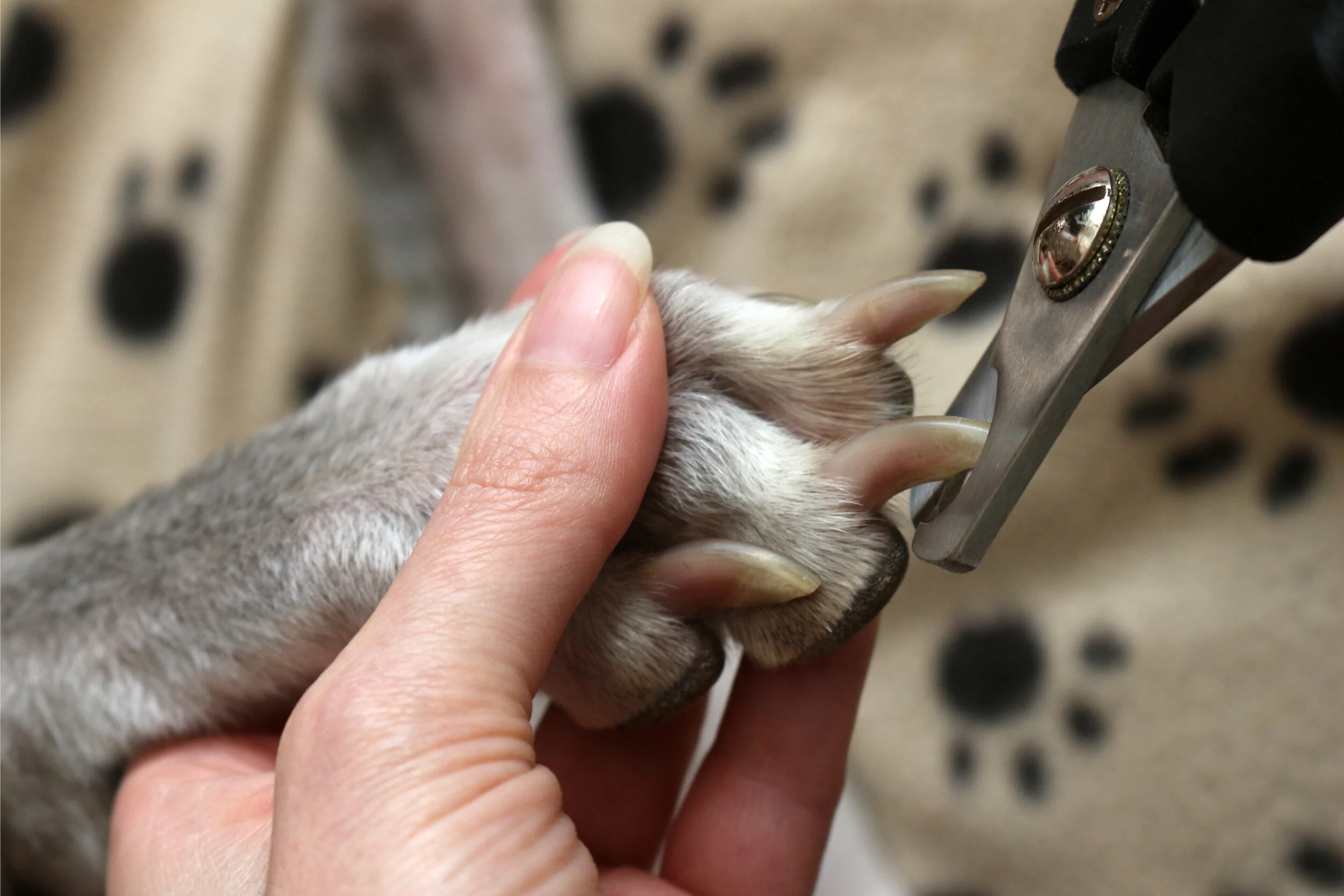
Now that you've prepared your dog and chosen the right nail trimmer, it's time to start the nail trimming process. Start by selecting a quiet, distraction-free area where your dog can feel comfortable and relaxed. Have some treats on hand to reward your dog for good behavior. Begin by trimming just one nail, and then take a break to give your dog a treat and some praise. This will help your dog associate the nail trimming process with positive reinforcement. As you trim each nail, be sure to follow these steps:
1. Hold your dog's paw firmly, but gently, and extend the nail by pressing on the paw pad.
- Identify the quick, which is the pinkish-colored part of the nail that contains nerves and blood vessels.
- Trim the nail, taking care not to cut the quick.
- Reward your dog with a treat and some praise.
- Repeat the process for each nail, taking breaks in between to give your dog a chance to relax.
Tips and Tricks for Safe Nail Trimming
When it comes to trimming your dog's nails, safety should always be your top priority. Here are some tips and tricks to help you trim your dog's nails safely and effectively:
1. Start slow: If you're new to nail trimming, start by trimming just one nail, and then take a break to give your dog a treat and some praise.
- Use the right trimmer: Choose a nail trimmer that's the right size for your dog's nails, and that you're comfortable using.
- Trim a little at a time: Don't try to trim too much of the nail at once. Instead, take small, gradual cuts, and then take a break to give your dog a chance to relax.
- Avoid cutting the quick: The quick is the pinkish-colored part of the nail that contains nerves and blood vessels. Cutting the quick can be painful for your dog, and can cause bleeding.
- Reward good behavior: Positive reinforcement is key when it comes to nail trimming. Reward your dog with treats and praise for good behavior, and try to make the experience as enjoyable as possible.

What to Do If You Cut the Quick
Despite your best efforts, it's possible to cut the quick, especially if you're new to nail trimming. If this happens, don't panic. Instead, follow these steps:
1. Apply some styptic powder or a pet nail clotting gel to the nail to stop the bleeding.
- Give your dog a treat and some praise to help calm them down.
- Take a break and come back to the nail trimming process when your dog is feeling more relaxed.
- Consider seeking the help of a veterinarian or a professional dog groomer if you're unsure about how to proceed.
Conclusion
Trimming your dog's nails can seem like a daunting task, but with the right preparation, equipment, and techniques, it can be a safe and effective way to keep your dog healthy and comfortable. Remember to always prioritize your dog's safety and well-being, and to seek help if you're unsure about any aspect of the nail trimming process. With patience, practice, and positive reinforcement, you and your dog can master the art of nail trimming, and enjoy a stronger, healthier bond as a result.