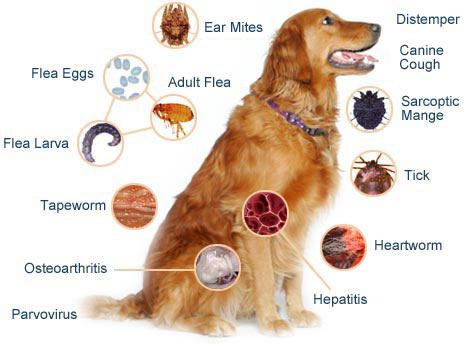
As a dog owner, there's nothing more worrying than seeing your furry friend suffer from an unknown ailment. One of the most common and often overlooked health issues in dogs is parasites. These unwanted critters can cause a range of problems, from mild discomfort to life-threatening conditions. In this article, we'll delve into the signs of parasites in dogs, helping you identify the warning signals and take prompt action to protect your beloved pet.
What are parasites and how do they affect dogs?
Parasites are organisms that live on or inside a host, feeding on their nutrients and causing harm. In dogs, parasites can be internal (such as worms or protozoa) or external (like fleas, ticks, or mites). These pesky creatures can be picked up from contaminated soil, water, or contact with other infected animals. Once inside your dog's body, parasites can lead to a range of health issues, including digestive problems, weight loss, and even organ damage.

Types of parasites that affect dogs
There are several types of parasites that can infect dogs, including intestinal worms (such as hookworms, roundworms, and tapeworms), heartworms, fleas, ticks, and mites. Each type of parasite has its own unique characteristics and symptoms, making it essential to recognize the warning signs and seek veterinary care if you suspect an infestation. For example, intestinal worms can cause diarrhea, vomiting, and weight loss, while heartworms can lead to coughing, fatigue, and difficulty breathing.
Signs of intestinal parasites in dogs
Intestinal parasites are one of the most common types of parasites that affect dogs. These worms can be picked up from contaminated soil, water, or contact with other infected animals. If your dog has intestinal parasites, you may notice symptoms such as diarrhea, vomiting, weight loss, and a lack of appetite. In severe cases, intestinal parasites can cause bloody stools, anemia, and even intestinal blockages.

In addition to these symptoms, you may also notice changes in your dog's behavior, such as lethargy, depression, or restlessness. If you suspect that your dog has intestinal parasites, it's essential to seek veterinary care as soon as possible. Your vet can perform a fecal exam to diagnose the presence of parasites and recommend the best course of treatment.
Signs of external parasites in dogs
External parasites, such as fleas, ticks, and mites, can cause significant discomfort and health problems for your dog. These pesky creatures can be picked up from other animals, contaminated environments, or even human contact. If your dog has external parasites, you may notice symptoms such as itching, scratching, and chewing at the skin. In severe cases, external parasites can cause skin infections, hair loss, and even anemia.

In addition to these symptoms, you may also notice changes in your dog's behavior, such as excessive licking or chewing at the skin, restlessness, or irritability. If you suspect that your dog has external parasites, it's essential to seek veterinary care as soon as possible. Your vet can recommend the best course of treatment, such as topical medications, oral medications, or flea and tick preventatives.
How to prevent parasites in dogs
Preventing parasites in dogs requires a multi-faceted approach that includes regular veterinary care, proper hygiene, and preventative measures. One of the most effective ways to prevent parasites is to use flea and tick preventatives, such as topical medications or oral medications. You should also ensure that your dog is up-to-date on all recommended vaccinations and preventatives, including heartworm medication.
In addition to these measures, you should also practice good hygiene, such as washing your hands after handling your dog, cleaning food and water bowls regularly, and disposing of waste properly. You should also keep your dog's living area clean and free of debris, which can help reduce the risk of parasite infestations.

What to do if you suspect parasites in your dog
If you suspect that your dog has parasites, it's essential to seek veterinary care as soon as possible. Your vet can perform a physical exam, take a complete medical history, and recommend diagnostic tests to determine the presence of parasites. Depending on the type and severity of the infestation, your vet may recommend a range of treatments, including medications, dietary changes, or other therapies.
In addition to seeking veterinary care, you should also take steps to prevent the spread of parasites to other pets or humans in your household. This includes practicing good hygiene, such as washing your hands after handling your dog, and keeping your dog's living area clean and free of debris. By taking prompt action and seeking veterinary care, you can help protect your dog from the harmful effects of parasites and ensure a happy, healthy life for your beloved pet.
In conclusion, parasites are a common and often overlooked health issue in dogs. By recognizing the signs of parasites, such as digestive problems, weight loss, and changes in behavior, you can take prompt action to protect your dog. Remember to seek veterinary care if you suspect an infestation, practice good hygiene, and use preventative measures to reduce the risk of parasite infestations. With the right care and attention, you can help keep your dog safe from the harmful effects of parasites and ensure a happy, healthy life for your furry friend.
