Have you ever noticed your dog circling around you, and wondered what's going on in that furry little head of theirs? You're not alone. Many dog owners have experienced this phenomenon, and it's natural to feel a bit puzzled by it. In this article, we'll delve into the possible reasons why your dog might be circling around you, and what it could mean for your relationship with your furry friend.
Introduction to Canine Behavior
To understand why your dog is circling around you, it's essential to have a basic understanding of canine behavior. Dogs are social animals that thrive on interaction and communication with their human family members. They use a variety of signals, including body language, vocalizations, and scent marking, to convey their emotions and intentions. Circling around you could be one of these signals, and it's up to us to decipher its meaning.
 Does My Dog Circle Me Introduction to Canine Behavior" loading="lazy" style="max-width:700px;width:100%;height:auto;border-radius:8px;">
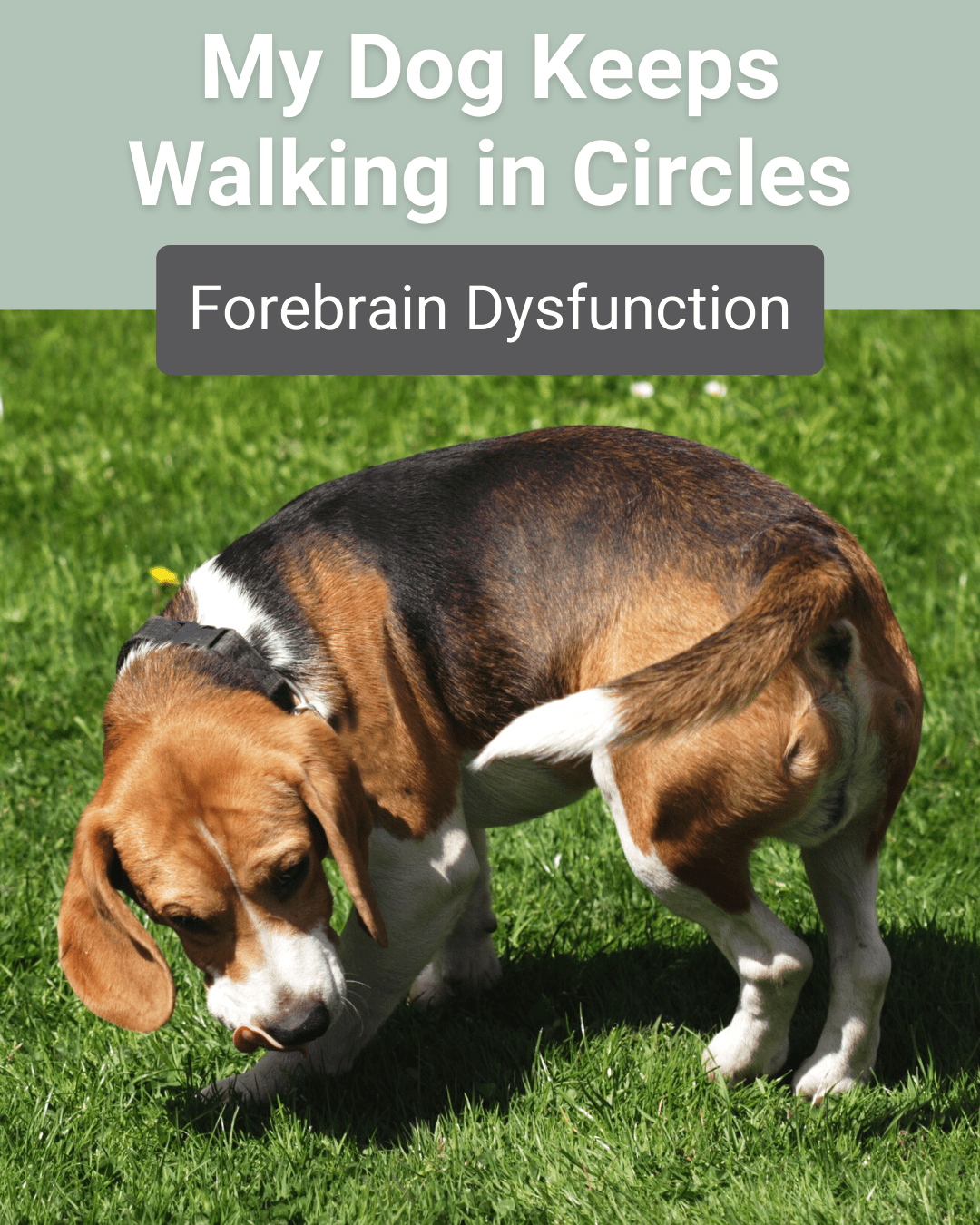
Dogs are creatures of habit, and their behavior is often influenced by their environment, upbringing, and individual personalities. Some dogs may circle around their owners due to anxiety or stress, while others may do it out of excitement or playfulness. In some cases, circling could be a sign of medical issues or discomfort, so it's crucial to rule out any underlying health problems before exploring other explanations.
Reasons for Circling Behavior
So, why does your dog circle around you? Here are some possible reasons:
One reason could be that your dog is trying to communicate with you. Dogs often use circular motions to convey excitement, enthusiasm, or even anxiety. If your dog is circling around you, it may be trying to initiate play, seek attention, or express its emotions. For example, if your dog is circling around you in a rapid, energetic motion, it may be inviting you to play or engage in an activity. On the other hand, if your dog is circling slowly and calmly, it may be seeking comfort or reassurance.
 My Dog Circle Me Responding to Circling Behavior" loading="lazy" style="max-width:700px;width:100%;height:auto;border-radius:8px;">
Another reason for circling behavior could be related to your dog's natural instincts. In the wild, dogs often circle their prey before pouncing, and this behavior may be instinctual for some dogs. If your dog is circling around you, it may be exhibiting a predatory instinct, especially if it's a breed that's known for its hunting abilities. However, this doesn't mean your dog sees you as prey; rather, it may be a manifestation of its natural instincts and energies.
Circling behavior could also be a sign of medical issues or discomfort. If your dog is experiencing pain, digestive problems, or other health issues, it may exhibit abnormal behavior, including circling. For example, if your dog is circling around you due to a gastrointestinal problem, it may be trying to find a comfortable position or alleviate its discomfort. In such cases, it's essential to consult with a veterinarian to rule out any underlying health problems.
 Why Does My Dog Circle Me" loading="lazy" style="max-width:700px;width:100%;height:auto;border-radius:8px;">
Understanding Your Dog's Body Language
To better understand your dog's circling behavior, it's crucial to pay attention to its body language. Dogs use a variety of signals, including tail wagging, ear positioning, and vocalizations, to convey their emotions and intentions. If your dog is circling around you with its tail wagging, it may be a sign of excitement or playfulness. On the other hand, if your dog's tail is tucked between its legs, it may be a sign of anxiety or fear.
Ear positioning is another essential aspect of canine body language. If your dog's ears are perked up and forward, it may be a sign of alertness or interest. If its ears are laid back or tucked against its head, it may be a sign of fear or submission. By paying attention to your dog's ear positioning, you can gain a better understanding of its emotional state and respond accordingly.
Vocalizations are another critical aspect of canine communication. If your dog is circling around you while whining or whimpering, it may be a sign of anxiety or distress. On the other hand, if your dog is circling around you while barking or growling, it may be a sign of excitement or playfulness. By listening to your dog's vocalizations, you can gain a better understanding of its emotional state and respond in a way that's supportive and calming.
 Why Does My Dog Circle Me" loading="lazy" style="max-width:700px;width:100%;height:auto;border-radius:8px;">
Responding to Circling Behavior
So, how should you respond to your dog's circling behavior? The key is to remain calm, patient, and understanding. If your dog is circling around you due to excitement or playfulness, you can respond by engaging in play or providing attention and affection. On the other hand, if your dog is circling around you due to anxiety or fear, you can respond by providing comfort and reassurance.
It's essential to avoid punishing or scolding your dog for circling behavior, as this can create negative associations and exacerbate the problem. Instead, focus on rewarding calm, relaxed behavior, and providing a stable and supportive environment for your dog to thrive. By doing so, you can help your dog feel more secure and confident, reducing the likelihood of circling behavior.
In some cases, circling behavior may be a sign of an underlying issue that requires professional attention. If your dog's circling behavior persists or worsens over time, it's essential to consult with a veterinarian or a professional dog trainer to rule out any underlying health problems or behavioral issues. By working together with a professional, you can develop a plan to address your dog's circling behavior and provide a more supportive and nurturing environment for your furry friend.
In conclusion, circling behavior is a common phenomenon in dogs, and it can be caused by a variety of factors, including excitement, anxiety, or medical issues. By understanding your dog's body language, responding calmly and patiently, and providing a supportive environment, you can help your dog feel more secure and confident, reducing the likelihood of circling behavior. Remember, every dog is unique, and it's up to us as responsible dog owners to provide the love, care, and attention our furry friends deserve.