
As a dog owner, there's nothing more unsettling than being growled at by your own furry friend. You're playing with them, giving them treats, and showering them with love, when suddenly they let out a low, rumbling growl that makes you take a step back. It's natural to feel confused, concerned, and even a little hurt when your dog growls at you. But before you start worrying that your dog has turned against you, let's take a closer look at why this might be happening.
Understanding Canine Communication
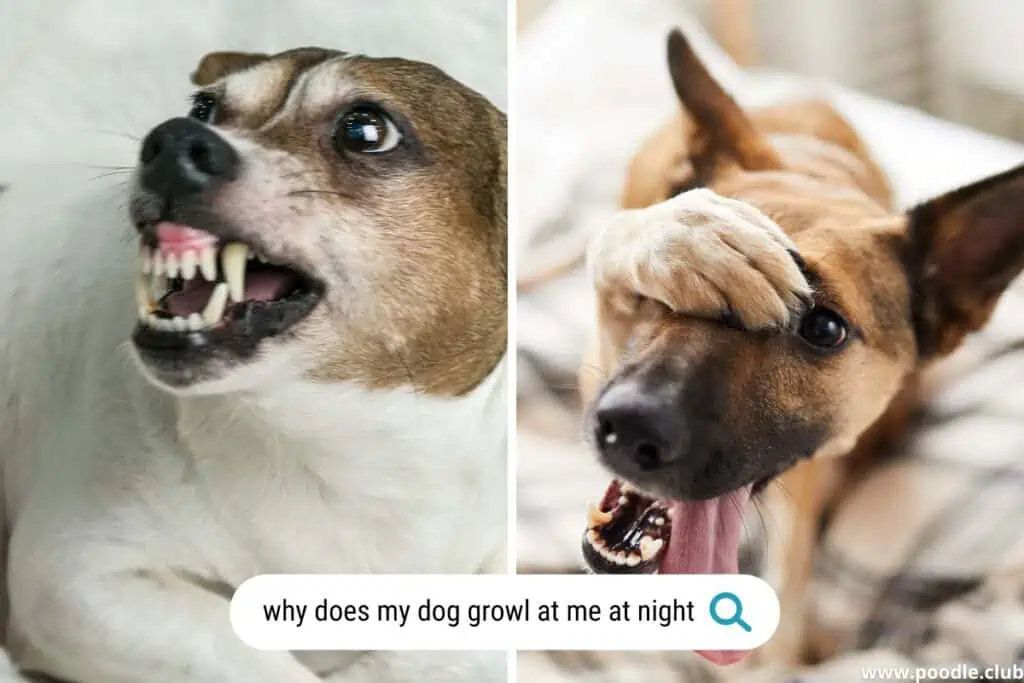
Dogs communicate in a variety of ways, including body language, vocalizations, and scent marking. Growling is one of the most common forms of canine communication, and it can mean different things depending on the context. In general, growling is a warning sign that your dog is feeling uncomfortable, threatened, or protective of something. It's their way of saying, "Back off, I'm not comfortable with this." But what triggers this feeling of discomfort, and how can you identify the underlying causes of your dog's growling?
One of the most common reasons dogs growl at their owners is due to fear or anxiety. If your dog is afraid of something, they may growl as a way of defending themselves. This could be a noise, a person, or even a particular object. For example, if your dog is afraid of the vacuum cleaner, they may growl when you turn it on.
 Does My Dog Growl at Me Suddenly Understanding Canine Communication" loading="lazy" style="max-width:700px;width:100%;height:auto;border-radius:8px;">
Medical Issues and Pain
Another possible reason for your dog's growling is medical issues or pain. If your dog is in pain or discomfort, they may growl when you touch them or try to move them. This is especially common in older dogs or dogs with chronic health conditions. For example, if your dog has arthritis, they may growl when you touch their joints or try to make them stand up.
 Why Does My Dog Growl at Me Suddenly What to Do When Your Dog Growls at You" loading="lazy" style="max-width:700px;width:100%;height:auto;border-radius:8px;">
In some cases, dogs may growl due to possessiveness or resource guarding. This means they're protective of their food, toys, or other valuable resources, and they may growl when you try to take them away.
 Why Does My Dog Growl at Me Suddenly" loading="lazy" style="max-width:700px;width:100%;height:auto;border-radius:8px;">
Training and Socialization
Training and socialization play a significant role in preventing growling in dogs. If your dog is not well-socialized, they may growl at strangers, other dogs, or even you. This is because they're not comfortable with new people, places, or experiences.
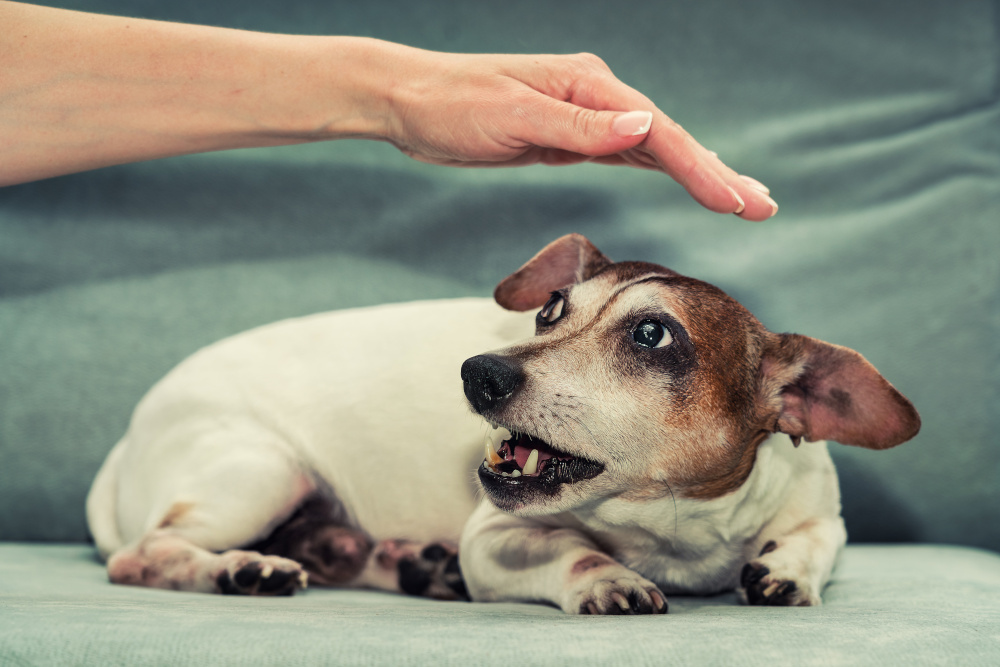
In addition to training and socialization, it's essential to manage your dog's environment to prevent growling. This means removing any triggers that may cause your dog to growl, such as loud noises or stressful situations. You should also provide your dog with a safe and comfortable space where they can retreat when feeling overwhelmed. This could be a crate or a quiet room where they can relax and feel secure. By managing your dog's environment and providing them with a sense of security, you can reduce the likelihood of growling and strengthen your bond with them.
What to Do When Your Dog Growls at You
So, what should you do when your dog growls at you? The first thing to do is to remain calm and avoid reacting aggressively. Growling is a warning sign, and if you respond with anger or fear, you may escalate the situation. Instead, try to identify the underlying cause of the growling and address it. If your dog is growling due to fear or anxiety, try to remove the trigger and provide a safe and comfortable space for them to relax. If your dog is growling due to possessiveness or resource guarding, try to teach them to share and drop items on command.
It's also essential to seek professional help if your dog's growling persists or worsens over time. A professional dog trainer or behaviorist can help you identify the underlying causes of your dog's growling and develop a plan to address it. They can also provide you with guidance on how to manage your dog's environment and provide them with the training and socialization they need to thrive.

In conclusion, growling is a natural canine behavior that can be caused by a variety of factors, including fear, anxiety, medical issues, possessiveness, and lack of training and socialization. By understanding the underlying causes of your dog's growling and addressing them through positive reinforcement training, desensitization, and environmental management, you can reduce the likelihood of growling and strengthen your bond with your dog. Remember to remain calm and patient, and seek professional help if your dog's growling persists or worsens over time. With time, effort, and the right guidance, you can help your dog feel more comfortable and secure, and enjoy a happier, healthier relationship with them.