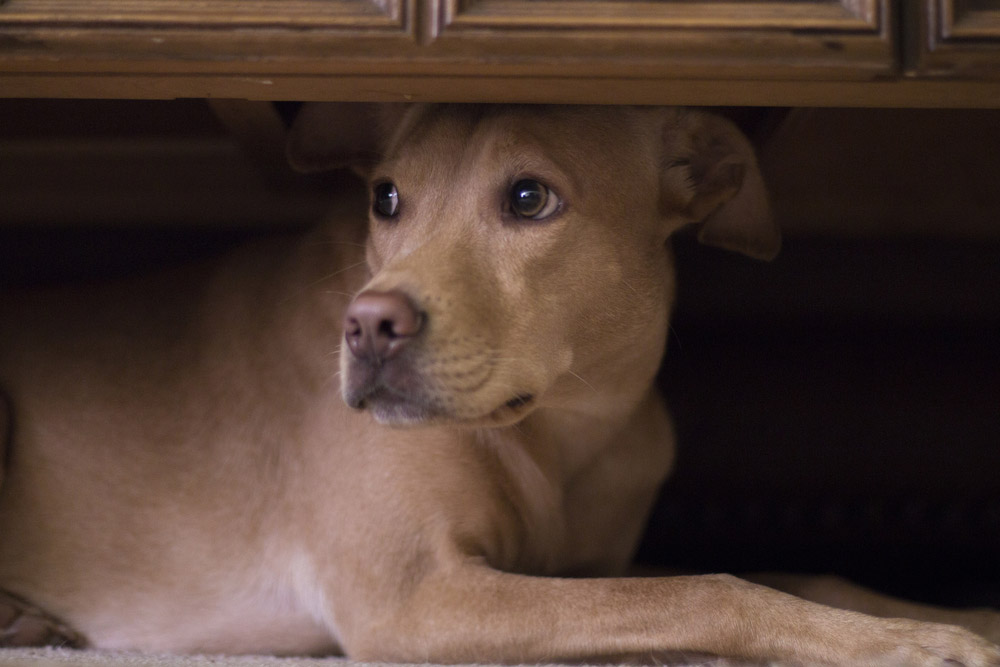
As a dog owner, it's not uncommon to find your furry friend hiding under the bed from time to time. But have you ever stopped to think about why they might be doing this? Is it because they're scared, anxious, or just looking for a quiet place to relax? In this article, we'll delve into the possible reasons behind this behavior and explore some ways to address it. So, if you're wondering why your dog hides under the bed, keep reading to find out.
Understanding Canine Behavior
Dogs are creatures of habit and often exhibit behaviors that are influenced by their instincts, environment, and past experiences. Hiding under the bed can be a sign of anxiety, fear, or stress in dogs. It's possible that your dog is seeking a safe haven or a place to feel secure, away from the hustle and bustle of daily life.
 Does My Dog Hide Under Bed Understanding Canine Behavior" loading="lazy" style="max-width:700px;width:100%;height:auto;border-radius:8px;">
Common Reasons for Hiding Under the Bed
There are several reasons why your dog might be hiding under the bed. Here are some of the most common ones:
- Fear or anxiety: As mentioned earlier, dogs may hide under the bed due to fear or anxiety. This could be caused by loud noises, such as thunderstorms or fireworks, or even the presence of new people or pets in the home.
- Seeking comfort: Dogs often associate their bed or a quiet spot with feelings of comfort and security. Hiding under the bed can be a way for them to self-soothe and relax.
- Avoiding attention: Some dogs may hide under the bed to avoid attention or interaction with their owners or other pets. This could be due to feeling overwhelmed or simply needing some alone time.
It's essential to understand that every dog is different, and what works for one dog may not work for another. By observing your dog's behavior and body language, you can gain a better understanding of why they might be hiding under the bed.
 Why Does My Dog Hide Under Bed Addressing the Underlying Issues" loading="lazy" style="max-width:700px;width:100%;height:auto;border-radius:8px;">
Addressing the Underlying Issues
Once you've identified the possible reasons behind your dog's behavior, it's time to address the underlying issues. Here are some tips to help you do so:
- Provide a safe space: Create a quiet, comfortable area where your dog can retreat when feeling anxious or overwhelmed. This could be a crate or a separate room with familiar toys and blankets.
- Desensitize your dog: If your dog is hiding under the bed due to loud noises, try desensitizing them to these sounds. You can start by playing the noise at a low volume and rewarding your dog for remaining calm.
- Increase exercise and mental stimulation: Sometimes, dogs hide under the bed due to boredom or excess energy. Increase your dog's physical activity and provide mental stimulation through puzzle toys, obedience training, or scent work.
It's also important to remember that hiding under the bed can be a coping mechanism for dogs. By addressing the underlying issues and providing a supportive environment, you can help your dog feel more confident and secure.

Creating a Comforting Environment
Creating a comforting environment is crucial in helping your dog feel more at ease. Here are some tips to create a calming atmosphere:
- Use calming aids: Utilize calming aids like pheromone diffusers, calming music, or anti-anxiety wraps to create a soothing environment.
- Maintain a routine: Establish a consistent daily routine that includes regular feeding times, exercise, and playtime. This can help reduce stress and anxiety in dogs.
- Provide familiar comforts: Offer familiar comforts like your dog's favorite toys, blankets, or treats to provide reassurance and comfort.
By creating a comforting environment, you can help your dog feel more secure and reduce the likelihood of them hiding under the bed.

Conclusion
In conclusion, hiding under the bed is a common behavior in dogs that can be caused by various factors, including fear, anxiety, or seeking comfort. By understanding the underlying reasons behind this behavior and addressing the issues, you can help your dog feel more confident and secure. Remember to provide a safe space, desensitize your dog to loud noises, and increase exercise and mental stimulation. With patience, consistency, and positive reinforcement, you can encourage your dog to come out from under the bed and engage with their surroundings. If you're concerned about your dog's behavior or if it persists, consult with a professional dog trainer or behaviorist for personalized guidance.