
As a dog owner, you've probably noticed your furry friend exhibiting some pretty interesting behaviors, and one of the most common ones is when they tuck their tail between their legs. This can be a bit confusing, especially if you're not sure what it means or why they're doing it. In this article, we'll dive into the world of canine body language and explore the reasons behind this behavior. So, if you're wondering why your dog tucks their tail between their legs, keep reading to find out.
Understanding Canine Body Language
Before we can understand why dogs tuck their tails between their legs, it's essential to have a basic understanding of canine body language. Dogs communicate primarily through non-verbal cues, such as body postures, facial expressions, and tail language. Their tails, in particular, play a significant role in conveying emotions and intentions. A wagging tail can indicate excitement or happiness, while a tucked tail can suggest fear, anxiety, or submission.
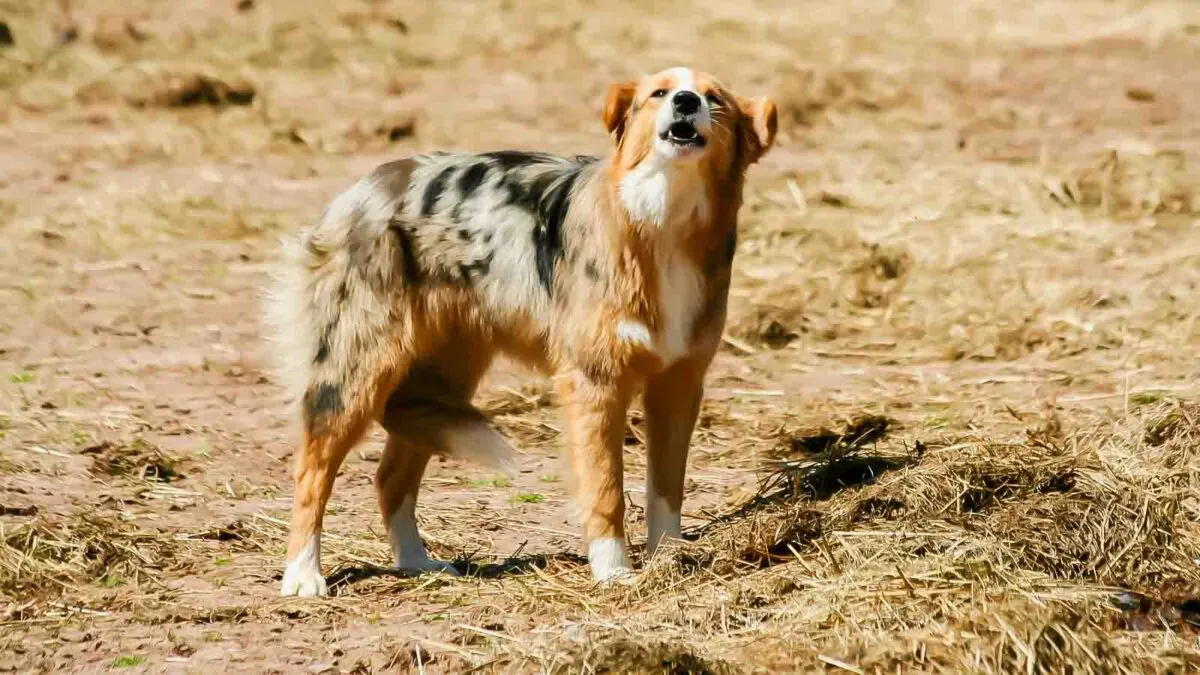 Does My Dog Tuck Tail Between Legs Understanding Canine Body Language" loading="lazy" style="max-width:700px;width:100%;height:auto;border-radius:8px;">
The Meaning of a Tucked Tail
A tucked tail can have different meanings depending on the context and the individual dog. In general, it's a sign of vulnerability or a lack of confidence. When a dog tucks their tail between their legs, they're essentially hiding their rear end, which is a sensitive area. This behavior can be a way of protecting themselves from potential threats or perceived dangers. It's also a common sign of submission, as the dog is signaling that they're not a threat and are willing to back down.
In some cases, a tucked tail can be a sign of fear or anxiety. If your dog is exposed to a new environment, person, or situation, they may feel overwhelmed and tuck their tail as a way of coping. This behavior can also be a learned response, where the dog associates the tucked tail with a sense of safety or avoidance of punishment.
Medical Issues and Discomfort
While a tucked tail can be a sign of emotional or psychological issues, it can also be a symptom of medical problems or discomfort. If your dog is experiencing pain or discomfort in their rear end, they may tuck their tail to alleviate the pain or protect the area. Some common medical issues that can cause a dog to tuck their tail include anal gland problems, hip dysplasia, or arthritis.
 Why Does My Dog Tuck Tail Between Legs Environmental and Social Factors" loading="lazy" style="max-width:700px;width:100%;height:auto;border-radius:8px;">
In addition to medical issues, dogs can also tuck their tails due to physical discomfort or irritation. For example, if your dog has a skin allergy or irritation in the anal area, they may tuck their tail to avoid further irritation. It's essential to rule out any underlying medical issues if your dog is consistently tucking their tail, especially if it's accompanied by other signs of distress or discomfort.
Environmental and Social Factors
Environmental and social factors can also play a significant role in why dogs tuck their tails between their legs. For example, if your dog is in a new or unfamiliar environment, they may feel anxious or overwhelmed, leading to a tucked tail. This behavior can also be triggered by social interactions, such as meeting new people or dogs. If your dog is not socialized properly or has had negative experiences in the past, they may tuck their tail as a way of coping with the situation.
Social hierarchy can also influence a dog's behavior, including tail tucking. If your dog is in a multi-dog household, they may tuck their tail to signal submission or deference to the other dogs. This behavior can also be seen in dogs that are interacting with people, where they may tuck their tail to show respect or avoidance of conflict.
 Why Does My Dog Tuck Tail Between Legs" loading="lazy" style="max-width:700px;width:100%;height:auto;border-radius:8px;">
Another environmental factor that can contribute to tail tucking is noise or stress. Loud noises, such as thunderstorms or fireworks, can be overwhelming for dogs, leading to a tucked tail and other signs of anxiety. Similarly, changes in the household, such as a new baby or a move to a new home, can cause stress and lead to tail tucking behavior.
Training and Socialization
While some dogs may naturally tuck their tails due to breed or temperament, it's essential to recognize that this behavior can also be influenced by training and socialization. If your dog is not socialized properly or has had negative experiences, they may be more likely to tuck their tail in certain situations. On the other hand, positive reinforcement training and socialization can help build confidence and reduce tail tucking behavior.
Training can also help you identify the underlying causes of your dog's tail tucking behavior. By working with a professional trainer or behaviorist, you can develop a plan to address any underlying issues and help your dog build confidence. This may involve desensitization and counterconditioning techniques to help your dog associate the stimuli that trigger tail tucking with positive outcomes.

Socialization is also critical in helping your dog develop good social skills and reducing tail tucking behavior. By exposing your dog to a variety of people, dogs, and environments, you can help them build confidence and reduce anxiety. This can include puppy socialization classes, dog daycare, or simply taking your dog on regular walks and outings.
Conclusion
In conclusion, a dog tucking their tail between their legs can be a complex behavior with multiple underlying causes. By understanding canine body language, recognizing the signs of fear, anxiety, or submission, and addressing any underlying medical issues, you can help your dog build confidence and reduce tail tucking behavior. Remember that every dog is different, and what works for one dog may not work for another. With patience, consistency, and positive reinforcement training, you can help your dog overcome tail tucking behavior and develop good social skills.
As a dog owner, it's essential to be aware of your dog's behavior and body language, including tail tucking. By recognizing the signs and addressing any underlying issues, you can help your dog live a happy, healthy, and confident life. So, the next time you see your dog tuck their tail between their legs, take a moment to consider what might be causing this behavior and take steps to address it. With time, patience, and practice, you can help your dog build confidence and reduce tail tucking behavior.