As a dog owner, have you ever noticed your furry friend panting excessively, even when they're not engaging in any strenuous activity? You're not alone. Excessive panting in dogs is a common concern that can be caused by a variety of factors. In this article, we'll delve into the reasons behind why dogs pant excessively and what you can do to help your pet feel more comfortable.
Understanding Canine Panting
Panting is a natural behavior for dogs, and it's their primary way of regulating their body temperature. Unlike humans, who sweat to cool down, dogs don't have sweat glands all over their bodies. Instead, they rely on panting to evaporate water from their tongues, the surfaces of their lungs, and the lining of their mouths. This process helps to cool down their body and maintain a stable temperature. However, when panting becomes excessive, it can be a sign of an underlying issue that needs attention.

Reasons for Excessive Panting in Dogs
There are several reasons why dogs may pant excessively. One of the most common reasons is overheating. If your dog is exposed to high temperatures, humidity, or intense exercise, they may pant more than usual to cool down. Another reason is anxiety or stress. Just like humans, dogs can experience anxiety, which can manifest as excessive panting. Other reasons for excessive panting in dogs include obesity, respiratory problems, and heart conditions. In some cases, excessive panting can be a sign of a more serious underlying condition, such as heatstroke or respiratory distress.
It's essential to recognize the signs of excessive panting in dogs. If your dog is panting more than usual, it's crucial to monitor their behavior and look for other signs of distress, such as rapid breathing, drooling, or restlessness. If you notice any of these symptoms, it's best to seek veterinary attention immediately.
Medical Conditions that Can Cause Excessive Panting in Dogs
Certain medical conditions can cause excessive panting in dogs. These conditions include respiratory problems, such as bronchitis, pneumonia, or chronic obstructive pulmonary disease (COPD). Heart conditions, such as heart failure or cardiac arrhythmias, can also lead to excessive panting. Additionally, dogs with conditions like laryngeal paralysis or tracheal collapse may experience difficulty breathing, which can cause excessive panting.
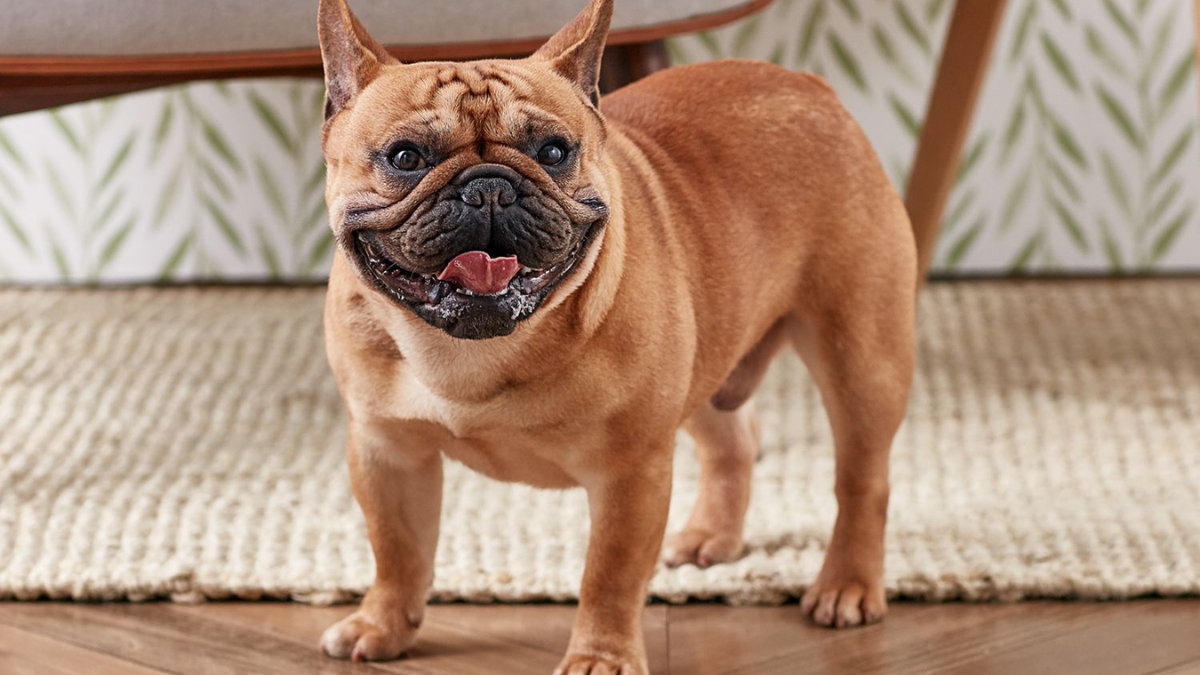
In some cases, excessive panting in dogs can be a sign of a more serious underlying condition, such as Cushing's disease or hypothyroidism. These conditions can affect a dog's metabolism, leading to weight gain, fatigue, and other symptoms, including excessive panting. If you suspect that your dog's excessive panting is related to a medical condition, it's crucial to consult with your veterinarian to determine the underlying cause and develop a treatment plan.
Environmental Factors that Contribute to Excessive Panting in Dogs
Environmental factors can also contribute to excessive panting in dogs. For example, hot and humid weather can cause dogs to pant more than usual. If your dog is exposed to high temperatures, it's essential to provide them with plenty of shade, water, and ventilation to help them cool down. Additionally, dogs that are not acclimated to exercise or are overweight may pant more than usual due to the physical demands of activity.

Another environmental factor that can contribute to excessive panting in dogs is poor air quality. If your dog is exposed to pollutants, such as smoke or chemicals, it can irritate their lungs and cause them to pant more than usual. To minimize your dog's exposure to poor air quality, it's best to keep them indoors when possible and provide them with a well-ventilated area to exercise.
How to Help Your Dog Feel More Comfortable
If your dog is panting excessively, there are several things you can do to help them feel more comfortable. First, provide them with plenty of fresh water to drink. You can also offer them a cool, damp cloth to lie on or a fan to help circulate the air. If your dog is experiencing anxiety or stress, try to identify the source of their anxiety and take steps to minimize it. This can include providing a calm and quiet environment, using pheromone therapy, or consulting with a professional dog trainer or behaviorist.

In addition to these measures, it's essential to maintain your dog's overall health and well-being. This includes providing them with regular exercise, a balanced diet, and regular veterinary check-ups. By taking these steps, you can help your dog feel more comfortable and reduce the likelihood of excessive panting.
When to Seek Veterinary Attention
While panting is a natural behavior for dogs, excessive panting can be a sign of an underlying condition that requires veterinary attention. If you notice any of the following symptoms, it's best to seek veterinary care immediately: rapid breathing, drooling, restlessness, or difficulty breathing. Additionally, if your dog's panting is accompanied by other symptoms, such as vomiting, diarrhea, or lethargy, it's essential to consult with your veterinarian to determine the underlying cause and develop a treatment plan.
In conclusion, excessive panting in dogs can be caused by a variety of factors, including overheating, anxiety, and medical conditions. By understanding the reasons behind your dog's excessive panting and taking steps to help them feel more comfortable, you can help reduce their stress and anxiety and improve their overall health and well-being. Remember to always consult with your veterinarian if you have concerns about your dog's panting or overall health.