If you're a dog owner, you know how worrying it can be to see your furry friend in distress. One common issue that can cause concern is paw swelling in dogs. Whether it's a minor irritation or a more serious condition, it's essential to understand the potential causes of paw swelling to provide your dog with the best possible care. In this article, we'll delve into the various reasons why your dog's paws might be swollen, and what you can do to help them feel better.
Introduction to Paw Swelling in Dogs
Paw swelling, also known as paw edema, is a condition where the paws become inflamed, causing discomfort and pain for your dog. It can affect one or all four paws, and the severity of the swelling can vary. While it's not always a cause for concern, paw swelling can be a symptom of an underlying condition that needs attention. As a responsible dog owner, it's crucial to monitor your dog's paws regularly and seek veterinary care if you notice any unusual swelling or redness.

Common Causes of Paw Swelling in Dogs
There are several reasons why your dog's paws might be swollen. Some of the most common causes include injuries, such as cuts, puncture wounds, or broken toes. Allergies, whether environmental or food-related, can also cause paw swelling. Additionally, infections, like bacterial or fungal infections, can lead to swelling and discomfort. Other potential causes include insect bites or stings, contact dermatitis, and autoimmune disorders. It's essential to work with your veterinarian to determine the underlying cause of your dog's paw swelling to provide effective treatment.
Injuries and Trauma
Injuries are one of the most common causes of paw swelling in dogs. If your dog has stepped on something sharp, been in a fight, or experienced a traumatic event, it's likely to cause paw swelling. Even minor injuries, like a small cut or scrape, can lead to swelling and discomfort. If you suspect your dog has injured their paw, it's crucial to clean the area gently and seek veterinary care to prevent infection and promote healing.

In some cases, injuries can be more severe, leading to broken bones or torn ligaments. If your dog is limping or showing signs of extreme pain, it's essential to seek immediate veterinary attention. Your veterinarian can perform a physical examination, take X-rays, and provide a proper diagnosis and treatment plan to help your dog recover.
Allergies and Skin Conditions
Allergies and skin conditions are another common cause of paw swelling in dogs. Environmental allergies, such as those caused by pollen or dust, can lead to skin irritation and swelling. Food allergies, on the other hand, can cause a range of symptoms, including paw swelling, itching, and digestive issues. If you suspect your dog has an allergy, it's essential to work with your veterinarian to identify the underlying cause and develop a treatment plan.
Contact dermatitis, a skin condition caused by contact with irritants, can also lead to paw swelling. This can be caused by exposure to chemicals, plants, or other substances that irritate your dog's skin. If you notice your dog is licking or chewing their paws excessively, it may be a sign of contact dermatitis or another skin condition. Your veterinarian can help you identify the underlying cause and provide guidance on how to manage the condition.
Infections and Diseases
Infections and diseases can also cause paw swelling in dogs. Bacterial infections, such as those caused by Staphylococcus or Streptococcus, can lead to swelling, redness, and discharge. Fungal infections, like ringworm, can also cause paw swelling and skin lesions. If you suspect your dog has an infection, it's essential to seek veterinary care to prevent the spread of the infection and promote healing.
Autoimmune disorders, such as lupus or rheumatoid arthritis, can also cause paw swelling in dogs. These conditions occur when the immune system mistakenly attacks healthy tissues, leading to inflammation and swelling. If your dog is diagnosed with an autoimmune disorder, your veterinarian can help you develop a treatment plan to manage the condition and reduce symptoms.
Other Potential Causes
There are several other potential causes of paw swelling in dogs. Insect bites or stings, for example, can cause swelling and discomfort. If your dog has been bitten or stung, it's essential to monitor them closely for signs of an allergic reaction, such as excessive swelling, difficulty breathing, or collapse. Your veterinarian can provide guidance on how to manage the situation and prevent further complications.
Obesity and weight-related issues can also contribute to paw swelling in dogs. Excess weight can put additional stress on your dog's joints, leading to swelling and discomfort. If your dog is overweight, it's essential to work with your veterinarian to develop a weight loss plan to reduce the strain on their joints and improve their overall health.
Diagnosis and Treatment
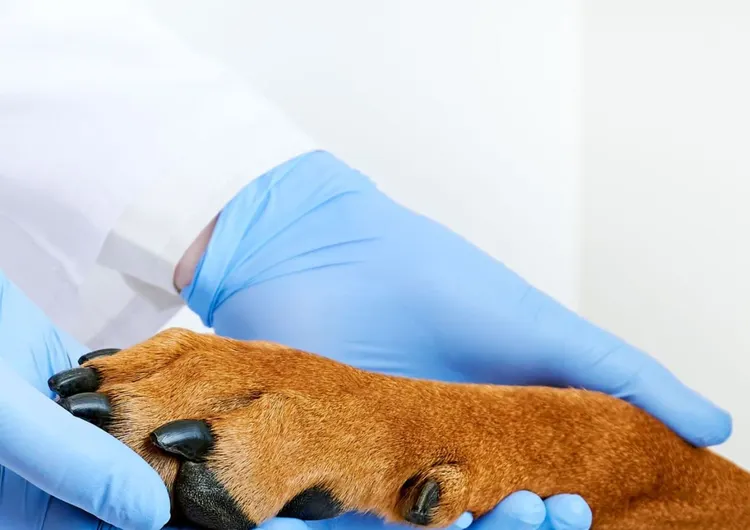
If you suspect your dog has paw swelling, it's essential to seek veterinary care to determine the underlying cause. Your veterinarian will perform a physical examination, take a complete medical history, and may conduct diagnostic tests, such as X-rays or blood work, to identify the cause of the swelling. Once the underlying cause is determined, your veterinarian can develop a treatment plan to help your dog feel better.
Treatment for paw swelling in dogs depends on the underlying cause. For minor injuries, your veterinarian may recommend rest, ice, and compression to reduce swelling. For allergies, your veterinarian may prescribe medication or recommend changes to your dog's diet. For infections, your veterinarian may prescribe antibiotics or antifungal medication to clear up the infection. In some cases, surgery may be necessary to repair damaged tissues or treat underlying conditions.
As a dog owner, it's essential to work closely with your veterinarian to develop a treatment plan that meets your dog's unique needs. With proper care and attention, your dog can recover from paw swelling and enjoy optimal health and well-being. Remember, if you're ever in doubt about your dog's health, it's always best to err on the side of caution and seek veterinary care to ensure your furry friend receives the best possible care.