
If you're considering bringing a Dalmatian into your family, it's essential to understand their unique temperament. With their distinctive spotted coats and energetic personalities, Dalmatians can make wonderful companions for active families. However, they do require special care and attention to thrive. In this article, we'll delve into the world of Dalmatian temperament, exploring their characteristics, needs, and quirks.
Introduction to Dalmatian Temperament
Dalmatians are a breed of dog known for their intelligence, energy, and loyalty. Originating from Croatia, they were bred to run alongside horse-drawn carriages, which explains their high energy levels and strong instinct to follow and protect. With proper training and socialization, Dalmatians can grow into well-behaved and loving companions. However, without adequate care and attention, they can become destructive, restless, and even aggressive.

Understanding Dalmatian Personality Traits
Dalmatians are often described as friendly, outgoing, and confident dogs. They love to be around people and are known to form strong bonds with their family members. However, they can be wary of strangers and may take time to warm up to new people and environments. Early socialization is crucial to help Dalmatians become confident and calm in new situations. With their strong instinct to protect and serve, Dalmatians can make excellent watchdogs, but they should never be aggressive or fearful.
Dalmatians are also highly intelligent and responsive to training. They thrive on structure and clear communication, which makes them a great breed for first-time dog owners who are willing to invest time and effort into training. Positive reinforcement techniques, such as reward-based training and clicker training, work particularly well with Dalmatians. They are known to be sensitive dogs, so harsh punishment or negative reinforcement can be counterproductive and even damaging to their temperament.
Dalmatian Energy Levels and Exercise Needs
Dalmatians are bred to be active dogs, and they require regular exercise to stay happy and healthy. They need at least 30 minutes of exercise per day, which can include walks, runs, and playtime in the yard. Without adequate physical and mental stimulation, Dalmatians can become restless, destructive, and even develop behavioral problems. They love to run and play, so if you're an active person who enjoys outdoor activities, a Dalmatian might be an excellent companion for you.
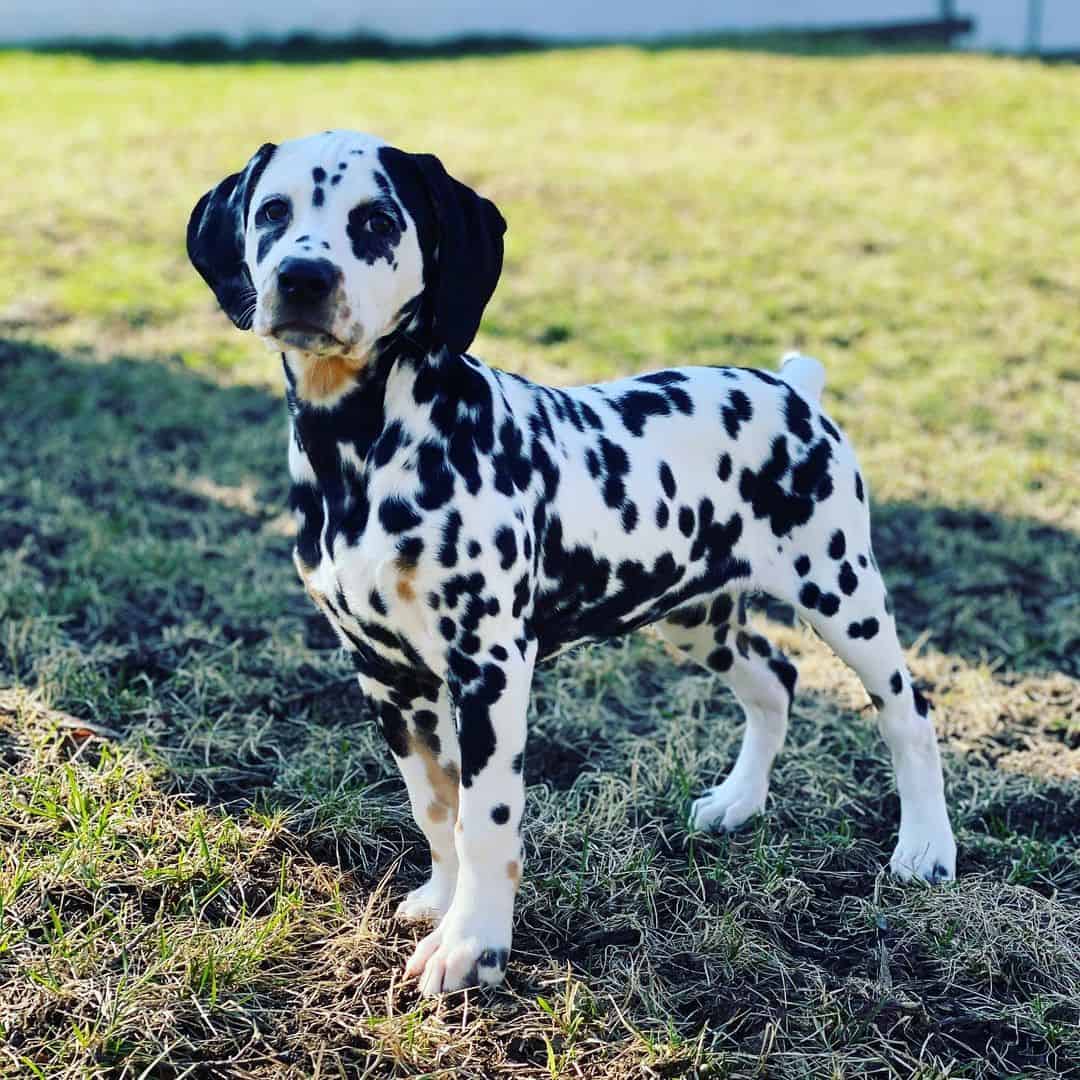
In addition to physical exercise, Dalmatians also need mental stimulation to prevent boredom and stress. Interactive toys, puzzle games, and scent work can provide Dalmatians with the mental challenge they need to stay engaged and focused. With their high energy levels and strong instinct to follow, Dalmatians can also benefit from activities such as agility training, obedience training, and even horseback riding.
Dalmatian Training and Socialization
Training and socialization are essential components of Dalmatian care. From an early age, Dalmatians should be exposed to various environments, people, and animals to help them develop confidence and calmness. Socialization should include positive experiences with strangers, other dogs, and even cats, to help Dalmatians understand that these encounters are normal and non-threatening.
Training should begin early, with puppy training classes and positive reinforcement techniques. Dalmatians respond well to clear communication, consistency, and rewards, so it's essential to establish a strong training routine from the start. Housebreaking, basic obedience, and even advanced training can help Dalmatians develop into well-behaved and respectful companions.
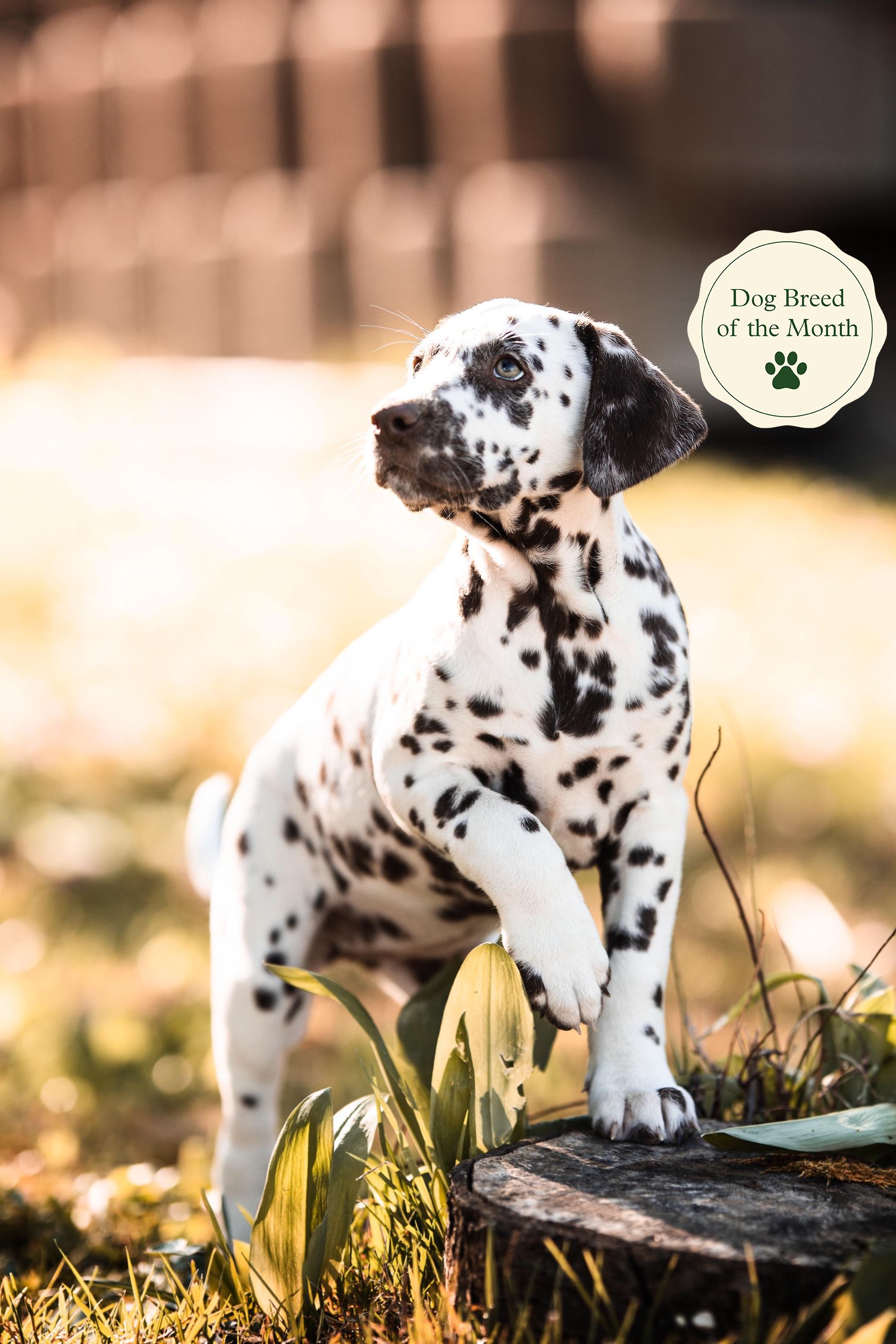
In addition to formal training, Dalmatians also benefit from informal socialization and interaction. They love to be around people and enjoy activities such as walking, hiking, and even cuddling. With their strong instinct to follow and protect, Dalmatians can make excellent companions for active families who enjoy outdoor activities and value loyalty and companionship.
Common Dalmatian Behavioral Issues
Like any breed, Dalmatians can be prone to certain behavioral issues if they don't receive proper care and attention. Some common problems include separation anxiety, destructive behavior, and even aggression. These issues often arise from lack of exercise, inadequate training, or insufficient socialization.
Separation anxiety, for example, can occur when Dalmatians are left alone for extended periods without proper exercise or mental stimulation. They may become restless, bark excessively, or even engage in destructive behavior. To prevent separation anxiety, it's essential to provide Dalmatians with plenty of exercise, mental stimulation, and attention before leaving them alone.
Destructive behavior, such as chewing or digging, can also be a problem if Dalmatians don't receive enough physical and mental stimulation. Providing adequate exercise, interactive toys, and puzzle games can help prevent destructive behavior and keep Dalmatians engaged and focused.
Health Considerations and Dalmatian Temperament
Dalmatians are generally a healthy breed, but like any dog, they can be prone to certain health issues. Deafness, for example, is a common problem in Dalmatians, affecting up to 30% of the breed. Urinary stones, allergies, and even hip dysplasia can also occur, so it's essential to work with a reputable breeder who prioritizes health testing and genetic diversity.
Health issues can also impact Dalmatian temperament, as chronic pain or discomfort can lead to behavioral problems such as anxiety, fear, or even aggression. Regular veterinary check-ups, proper care, and attention to health issues can help prevent these problems and ensure that Dalmatians live happy, healthy lives.
Conclusion
In conclusion, Dalmatian temperament is a unique and fascinating topic. With their intelligence, energy, and loyalty, Dalmatians can make wonderful companions for active families. However, they do require special care and attention to thrive, including regular exercise, mental stimulation, and positive reinforcement training. By understanding Dalmatian personality traits, needs, and quirks, you can provide the best possible care for your Dalmatian and enjoy a lifelong companionship with this incredible breed.