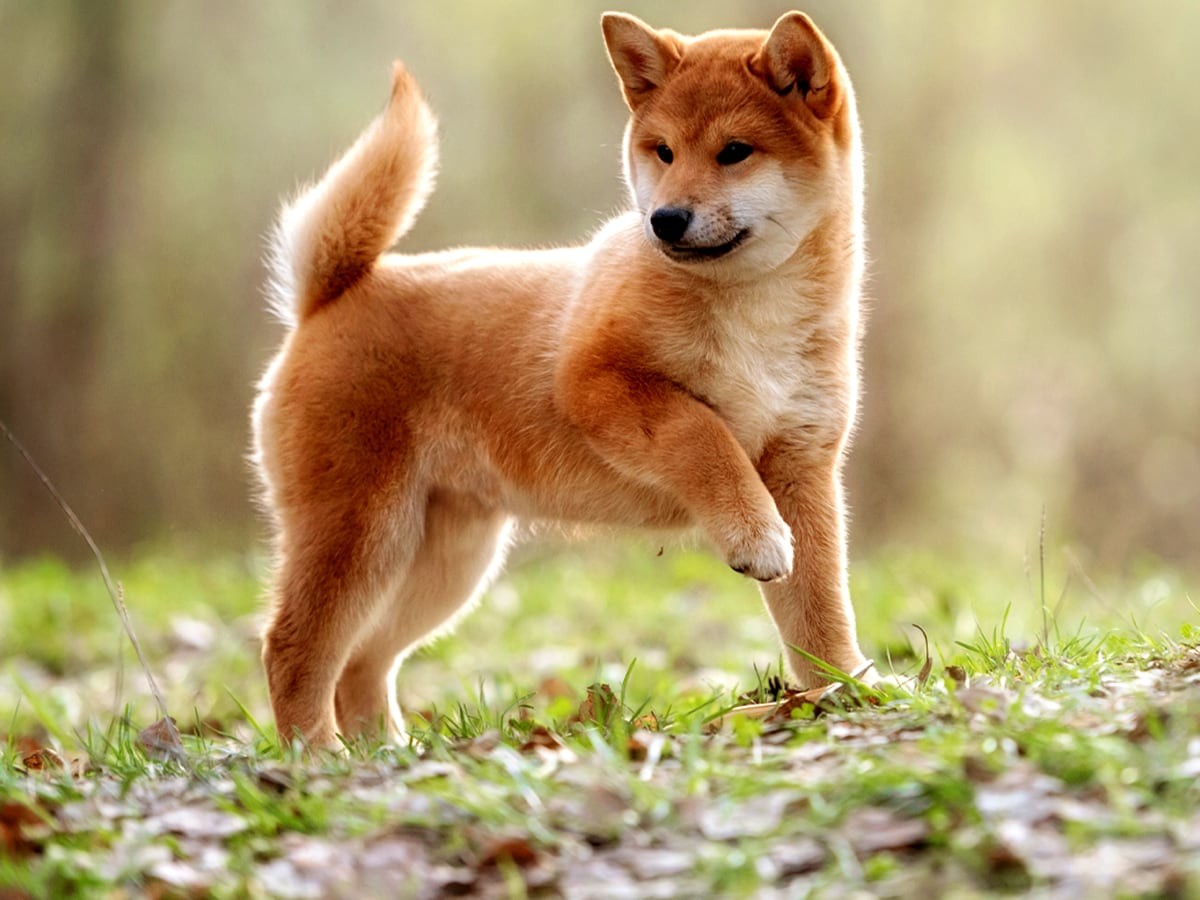
Welcome to the world of puppy parenting, where snuggles and slobbery kisses are a daily guarantee. As a new puppy owner, you're probably wondering how to keep your little bundle of joy clean and well-groomed. Grooming is an essential part of puppy care, and it's not just about looking cute (although, let's be honest, it's a big part of it). Proper grooming helps prevent health issues, strengthens the bond between you and your puppy, and gets them used to being handled. In this article, we'll dive into the world of puppy grooming and explore the best practices to keep your furry friend happy, healthy, and looking their best.
Getting Started with Puppy Grooming
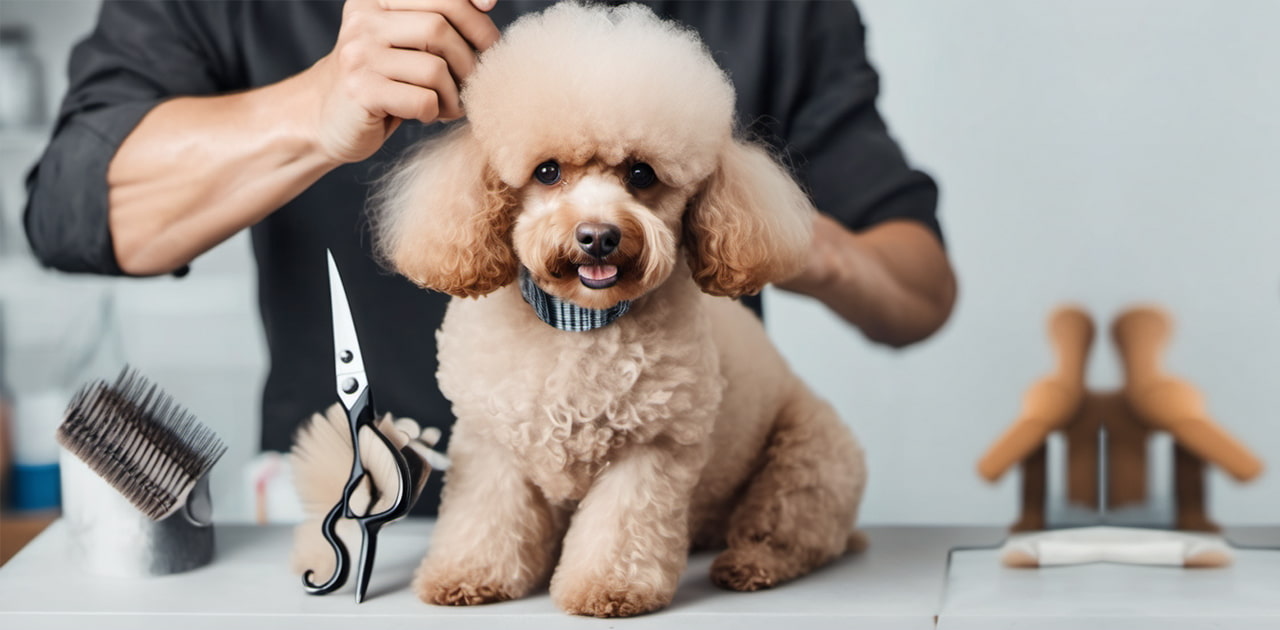
Before you begin grooming your puppy, it's essential to have the right tools and a bit of patience. Puppies can be squirmy and unpredictable, so it's crucial to make the experience as enjoyable as possible for both of you. Start by gathering a few basic grooming tools, such as a brush, nail clippers, and shampoo. You'll also need a non-slip mat or a grooming table to help keep your puppy stable and secure.
 How To Groom Puppies Properly Getting Started with Puppy Grooming" loading="lazy" style="max-width:700px;width:100%;height:auto;border-radius:8px;">
When it comes to choosing the right brush, consider your puppy's coat type. If they have a short, smooth coat, a rubber brush or a soft-bristle brush will work well. For puppies with long, curly, or thick coats, a slicker brush or a pin brush is a better option. Remember to always brush your puppy gently, working from head to tail, to prevent matting and tangling. As you brush, take the opportunity to inspect your puppy's coat for any signs of irritation, fleas, or ticks.
Brushing Techniques for Puppies
Brushing is an excellent way to bond with your puppy, and it's essential to establish a regular brushing routine from an early age. Start by brushing your puppy for short periods, around 5-10 minutes, and gradually increase the duration as they become more comfortable with the process. Be sure to brush in the direction of the fur growth, not against it, to prevent matting and tangling. If you encounter any knots or tangles, gently work them out with your fingers or a detangling spray.
,webp/023/886/739/v2/2560x1440.217.webp)
As you brush, pay attention to your puppy's body language. If they seem uncomfortable or try to squirm away, it's best to take a break and come back to it later. You can also use this time to inspect your puppy's ears, eyes, and teeth, checking for any signs of infection or decay. Regular brushing can help prevent a range of health issues, from skin irritations to ear infections, so make it a priority in your puppy's grooming routine.
Nail Care for Puppies
Nail care is a crucial aspect of puppy grooming, as overgrown nails can cause discomfort and even lead to health issues. Start by getting your puppy used to having their paws handled, as this will make the nail clipping process much easier. Begin by gently massaging your puppy's paws, then gradually introduce the nail clippers.
When clipping your puppy's nails, be sure to use the right type of clippers, as human nail clippers can be too harsh for puppies. Choose a clipper specifically designed for dogs, and select the right size for your puppy's nails. It's also essential to trim just the tip of the nail, avoiding the quick (the sensitive part of the nail). If you're unsure about how to clip your puppy's nails, consult with a veterinarian or a professional dog groomer for guidance.
Bathing and Shampooing Your Puppy
Bathing is an essential part of puppy grooming, but it's crucial to do it correctly to avoid stripping their coat of its natural oils. Start by brushing your puppy thoroughly to prevent matting and tangling, then wet them down with lukewarm water. Apply a small amount of puppy-specific shampoo, working from head to tail, and be sure to rinse thoroughly to prevent any irritation.

When choosing a shampoo for your puppy, consider their age, coat type, and any skin conditions they may have. Puppies under six months should use a gentle, p H-balanced shampoo, while older puppies can use a more medicated shampoo if necessary. Be sure to avoid using human shampoo on your puppy, as it can be too harsh for their sensitive skin.
Drying and Finishing Touches
After bathing your puppy, gently pat them dry with a towel, being careful not to rub too hard. You can also use a blow dryer on a low setting to help dry them faster, but be sure to keep it at a safe distance to avoid overheating. Once your puppy is dry, take the opportunity to inspect their coat for any signs of irritation or dryness, and apply a leave-in conditioner or a coat spray to keep their coat healthy and shiny.
Finally, take a step back and admire your handiwork. A well-groomed puppy is a happy and healthy puppy, and with regular grooming, you can help prevent a range of health issues and strengthen the bond between you and your furry friend. Remember to always be patient and gentle when grooming your puppy, and don't hesitate to seek professional help if you're unsure about any aspect of the process. With time and practice, you'll become a pro at puppy grooming, and your little bundle of joy will thank you for it.