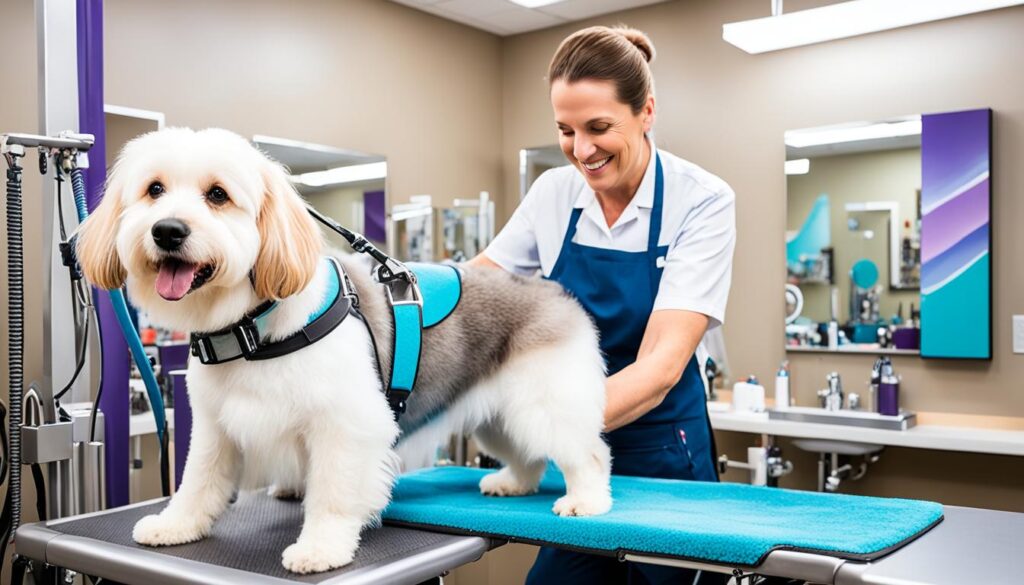
As our furry friends age, their grooming needs change, and it's essential to adapt our approach to ensure their comfort and safety. Senior dogs require special care, and improper grooming can lead to discomfort, pain, and even health issues. In this article, we'll explore the best practices for grooming senior dogs safely, so you can help your beloved companion feel their best as they age.
Understanding Senior Dog Grooming Needs
Senior dogs, typically those over the age of 7, undergo physical changes that affect their grooming needs. Their coats may become thinner, drier, and more prone to matting, while their skin may become more sensitive. Additionally, senior dogs may experience joint pain, arthritis, or other mobility issues, making it challenging for them to tolerate lengthy grooming sessions. It's crucial to consider these changes when developing a grooming routine for your senior dog.
 How To Groom Senior Dogs Safely Understanding Senior Dog Grooming Needs" loading="lazy" style="max-width:700px;width:100%;height:auto;border-radius:8px;">
Pre-Grooming Preparations
Before you start grooming your senior dog, it's essential to prepare them (and yourself) for the process. Begin by choosing a quiet, comfortable location with minimal distractions, where your dog can relax and feel secure. Make sure you have all the necessary grooming tools and supplies within reach, including brushes, combs, nail clippers, and shampoo. Consider using a non-slip mat or a raised grooming table to prevent your dog from slipping or falling. It's also a good idea to have some treats on hand to reward your dog for their good behavior and help them associate grooming with positive experiences.
Next, take a few minutes to inspect your dog's coat, skin, and overall condition. Look for any signs of matting, tangling, or skin irritations, and take note of any areas that may require extra attention or care. This will help you tailor your grooming approach to your dog's specific needs and avoid any potential discomfort or pain.
Grooming Techniques for Senior Dogs
When it comes to grooming senior dogs, it's essential to be gentle, patient, and attentive to their needs. Start with short, gentle sessions, gradually increasing the duration as your dog becomes more comfortable. Use soft, gentle strokes with your brushes and combs, working from the head to the tail, and avoiding any areas that may be sensitive or painful. Be careful not to pull or tug on your dog's coat, as this can cause discomfort and even lead to skin irritation.

For dogs with long coats, consider using a detangling spray or conditioner to help work out mats and tangles. For dogs with short coats, a gentle bristle brush or a rubber grooming glove can help remove loose hair and distribute skin oils. When bathing your senior dog, use a mild, p H-balanced shampoo specifically formulated for senior dogs, and avoid getting water in their ears or eyes. Be sure to rinse your dog thoroughly, and consider using a microfiber towel or an old t-shirt to gently pat them dry.
Nail Care and Paw Maintenance
Nail care and paw maintenance are critical aspects of senior dog grooming. As dogs age, their nails can become brittle, prone to cracking, or overgrown, which can cause discomfort and pain. To trim your senior dog's nails safely, use a good quality nail clipper specifically designed for dogs, and take care to avoid cutting the quick (the sensitive part of the nail). If you're unsure or uncomfortable trimming your dog's nails, consider consulting with a veterinarian or a professional dog groomer.

In addition to nail care, it's essential to check your dog's paws regularly for any signs of irritation, infection, or discomfort. Look for redness, swelling, or discharge, and take note of any unusual odors or sensitivity. Consider using a paw balm or cream to help moisturize and protect your dog's paws, especially during extreme weather conditions.
Dental Care and Oral Health
Dental care and oral health are vital components of senior dog grooming. As dogs age, their teeth can become worn, yellowed, or prone to tartar buildup, which can lead to bad breath, gum disease, and even systemic health issues. To promote good oral health, brush your senior dog's teeth regularly using a dog-specific toothbrush and toothpaste. Start with short sessions, gradually increasing the duration as your dog becomes more comfortable with the process.

In addition to brushing, consider providing your senior dog with dental chews or toys specifically designed to help reduce tartar and promote oral health. You can also add a water additive to your dog's drinking water to help reduce bacteria and freshen their breath. Regular dental check-ups with your veterinarian are also crucial to monitor your dog's oral health and catch any potential issues early on.
Common Grooming Challenges in Senior Dogs
Senior dogs can present unique grooming challenges, from skin irritations and allergies to mobility issues and anxiety. To address these challenges, it's essential to work with your veterinarian to identify the underlying causes and develop a personalized grooming plan. For dogs with skin irritations or allergies, consider using hypoallergenic shampoos, conditioners, and grooming products specifically formulated for sensitive skin.
For dogs with mobility issues, consider using a grooming table or a non-slip mat to provide support and stability. You can also break up grooming sessions into shorter, more manageable intervals to help your dog conserve energy and reduce stress. For dogs with anxiety or fear-based behaviors, consider using calming aids such as pheromone diffusers, calming treats, or gentle music to help create a relaxing atmosphere.
Remember, every senior dog is unique, and their grooming needs will vary depending on their individual circumstances. By being patient, gentle, and attentive to their needs, you can help your senior dog feel comfortable, relaxed, and well-cared for. With the right approach and techniques, you can help your senior dog enjoy a happy, healthy, and fulfilling life, even as they age.