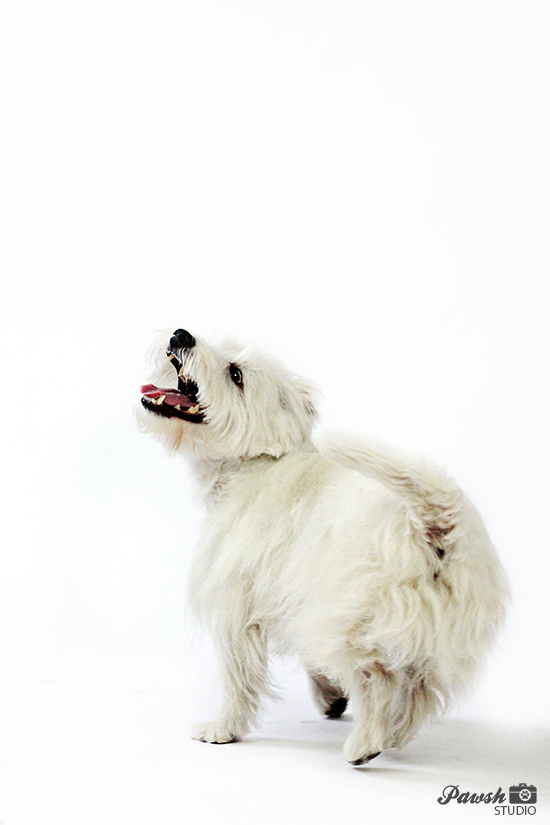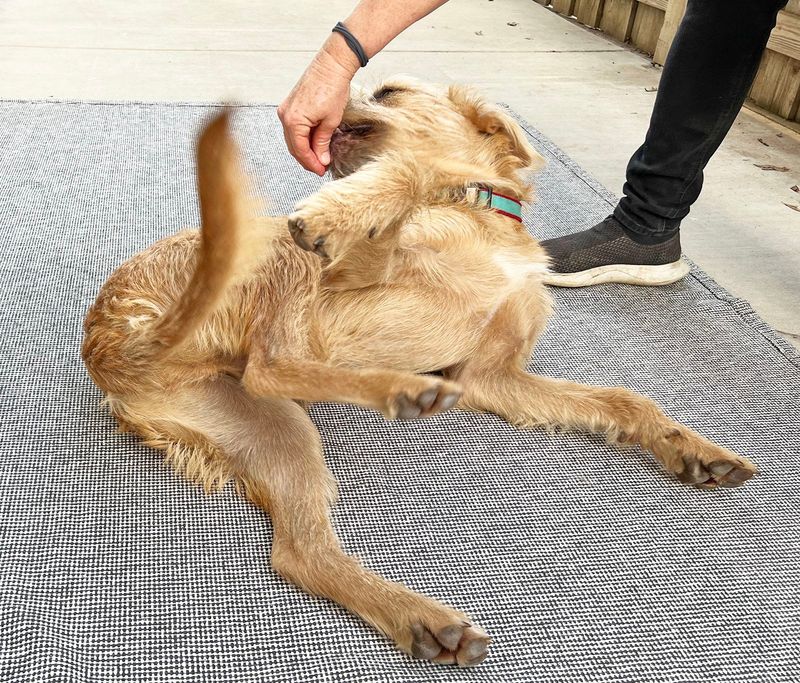
Are you looking to teach your furry friend a new trick that will impress friends and family? Look no further than training your dog to spin. Not only is it a fun and adorable trick, but it's also a great way to mentally stimulate your dog and strengthen your bond with them. In this article, we'll break down the steps to train your dog to spin, and provide you with some helpful tips and tricks along the way.
Getting Started
Before you begin training your dog to spin, it's essential to make sure they have a solid foundation in basic obedience commands. Your dog should be able to sit, stay, and come on command, as these commands will be used throughout the training process. Additionally, you'll want to choose a quiet and distraction-free area to train, with minimal interruptions and distractions. This will help your dog stay focused and avoid confusion.
It's also important to have plenty of treats and praise on hand, as positive reinforcement is key when training your dog to spin. Choose your dog's favorite treats and be prepared to reward them frequently, especially in the early stages of training.
 How To Train Dogs to Spin Getting Started" loading="lazy" style="max-width:700px;width:100%;height:auto;border-radius:8px;">
Introduction to Spinning
The first step in training your dog to spin is to introduce them to the concept of spinning. Start by having your dog sit and hold a treat in front of their nose. Slowly move the treat in a circle, around their head, while saying "spin" in a happy and upbeat tone. As your dog follows the treat with their head, they'll naturally start to spin. Be sure to reward them with the treat and praise as soon as they complete a full spin.
Repeat this process several times, until your dog starts to associate the command "spin" with the action of spinning. It's essential to be patient and go at your dog's pace, as some dogs may pick up the concept quickly, while others may take a bit longer.
 To Train Dogs to Spin Phase 2 Adding Distance and Speed" loading="lazy" style="max-width:700px;width:100%;height:auto;border-radius:8px;">
Adding the Hand Signal
Once your dog has a solid understanding of the "spin" command, it's time to introduce a hand signal. Hold your hand out, with your palm facing upwards, and make a circular motion with your hand. As you make the hand signal, say "spin" and reward your dog with a treat as soon as they complete a full spin.
The hand signal will help your dog to associate the command with a visual cue, making it easier for them to understand what you want them to do. Be sure to use the same hand signal every time you give the command, to avoid confusing your dog. With consistency and repetition, your dog will soon learn to spin on command, using the hand signal as a visual cue.
Phase 2: Adding Distance and Speed
Now that your dog has mastered the basic spin command, it's time to take their training to the next level. Start by adding distance to the command, by taking a few steps back and giving the hand signal. This will help your dog to learn to spin without being right next to you, and will also help to increase their focus and concentration.
As your dog becomes more confident with the command, you can start to add speed to the spin. Instead of moving the treat slowly in a circle, try moving it more quickly, while saying "spin" in a happy and upbeat tone. This will help your dog to learn to spin faster and more efficiently, and will also add an extra level of excitement and fun to the trick.

Tips and Tricks
One of the most common challenges when training a dog to spin is getting them to spin in the correct direction. To avoid this, be sure to start by having your dog spin in one direction, and then gradually introduce spinning in the other direction. This will help to avoid confusion and make the learning process much smoother.
Another helpful tip is to use a verbal cue, such as "spin" or "twirl", to help your dog to associate the command with the action. Be sure to use a happy and upbeat tone, as this will help to make the trick more fun and engaging for your dog. With patience, consistency, and positive reinforcement, your dog will soon be spinning like a pro.
Common Mistakes to Avoid
When training your dog to spin, there are several common mistakes to avoid. One of the most common mistakes is pushing your dog's hindquarters to make them spin. Not only can this be uncomfortable for your dog, but it can also be confusing and make the learning process much more difficult.
Another mistake to avoid is rewarding your dog for incomplete spins. While it can be tempting to reward your dog for trying, it's essential to hold out for complete spins, to avoid confusing them and making the trick more difficult to learn. By being patient and consistent, you can help your dog to learn to spin quickly and efficiently, and avoid common mistakes that can make the process more challenging.

Conclusion
Training your dog to spin is a fun and rewarding experience, that can help to strengthen your bond with your dog and provide them with mental stimulation and exercise. With patience, consistency, and positive reinforcement, your dog can learn to spin in no time. Remember to start with short training sessions, and gradually increase the distance and speed of the spin, to avoid overwhelming your dog and making the learning process more difficult.
By following the steps and tips outlined in this article, you can help your dog to learn to spin quickly and efficiently, and enjoy the many benefits that come with training your dog. So why not give it a try, and see the joy and excitement that spinning can bring to your dog's life? With time and practice, your dog will be spinning like a pro, and you'll be amazed at the fun and engaging trick they've learned.