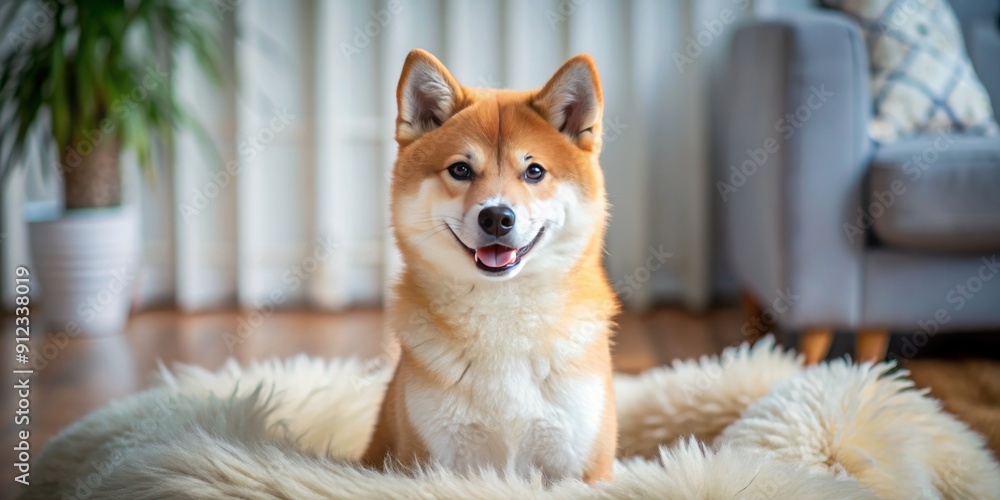
Training a dog to stay calm in crowds can be a challenging task, but with patience, consistency, and positive reinforcement, it's definitely achievable. If you're a dog owner, you know how exciting it can be to take your furry friend out on walks, to the park, or to social events. However, for some dogs, being in crowded areas can be overwhelming, leading to anxiety, fear, or even aggression. In this article, we'll explore the steps you can take to help your dog feel more comfortable and calm in crowded situations.
Understanding Your Dog's Behavior
Before you start training your dog to stay calm in crowds, it's essential to understand their behavior and what triggers their anxiety or fear. Some dogs may be naturally more nervous or sensitive, while others may have had negative experiences in the past that have led to their fear of crowds. By understanding the root cause of your dog's behavior, you can tailor your training approach to address their specific needs. For example, if your dog is fearful of loud noises, you may want to start by desensitizing them to these sounds in a controlled environment.
 How To Train Dogs to Stay Calm in Crowds Understanding Your Dogs Behavior" loading="lazy" style="max-width:700px;width:100%;height:auto;border-radius:8px;">
Identifying Triggers and Thresholds
When it comes to training your dog to stay calm in crowds, it's crucial to identify their triggers and thresholds. Triggers are the stimuli that cause your dog to become anxious or fearful, such as loud noises, strange people, or other animals. Thresholds, on the other hand, refer to the point at which your dog becomes overwhelmed and can no longer cope with the situation. By understanding your dog's triggers and thresholds, you can develop a training plan that helps them gradually become more comfortable in crowded areas.
For instance, if your dog becomes anxious when they see strangers, you may want to start by exposing them to small groups of people in a controlled environment, such as a training room or a quiet park. Gradually increase the number of people and the noise level, while rewarding your dog for remaining calm. It's also essential to pay attention to your dog's body language and behavior, as they may exhibit subtle signs of anxiety, such as yawning, panting, or avoiding eye contact.
Desensitization and Counterconditioning
Desensitization and counterconditioning are two powerful techniques you can use to help your dog become more comfortable in crowded areas. Desensitization involves gradually exposing your dog to the stimuli that trigger their anxiety or fear, while counterconditioning involves associating the stimuli with positive outcomes, such as treats and praise. By combining these two techniques, you can help your dog learn to associate crowded areas with positive experiences, rather than negative ones.
 How To Train Dogs to Stay Calm in Crowds Desensitization and Counterconditioning" loading="lazy" style="max-width:700px;width:100%;height:auto;border-radius:8px;">
Creating a Positive Association
Creating a positive association with crowded areas is critical to helping your dog feel more calm and relaxed. One way to do this is to use positive reinforcement training, such as clicker training or reward-based training. Whenever your dog exhibits calm behavior in a crowded area, reward them with treats, praise, and affection. This will help them associate the crowded area with positive outcomes, rather than negative ones. You can also use calming aids, such as pheromone diffusers or calming music, to help your dog feel more relaxed in crowded areas.
It's also essential to be patient and consistent when training your dog. Avoid pushing them too hard or exposing them to situations that may trigger their anxiety or fear. Instead, take it one step at a time, and gradually increase the intensity of the stimuli. With time and practice, your dog will become more confident and calm in crowded areas, and you'll be able to enjoy social events and outings together without worrying about their behavior.
Training in Different Environments
Training your dog to stay calm in crowds requires practice in different environments and situations. Start by training your dog in quiet areas, such as empty parks or quiet streets, and gradually increase the intensity of the stimuli. As your dog becomes more confident, you can move on to more challenging environments, such as busy streets, shopping malls, or crowded parks.
 Dogs to Stay Calm in Crowds Training in Different Environments" loading="lazy" style="max-width:700px;width:100%;height:auto;border-radius:8px;">
Using Real-Life Scenarios
Using real-life scenarios is an excellent way to train your dog to stay calm in crowds. For example, if you're planning a trip to the beach, start by exposing your dog to the sights and sounds of the beach in a controlled environment, such as a training room or a quiet park. Gradually increase the intensity of the stimuli, such as the sound of waves or the smell of saltwater, while rewarding your dog for remaining calm. When you're ready, take your dog to the beach and practice their calm behavior in a real-life scenario.
Remember to always keep your dog's safety and well-being in mind when training them in crowded areas. If your dog becomes overwhelmed or anxious, it's essential to remove them from the situation and provide a safe and calm environment. With patience, consistency, and positive reinforcement, you can help your dog become more confident and calm in crowded areas, and enjoy social events and outings together without worrying about their behavior.
Seeking Professional Help
If your dog's anxiety or fear of crowds is severe, or if you're unsure about how to train them, it's essential to seek professional help. A professional dog trainer or behaviorist can help you develop a customized training plan that addresses your dog's specific needs and helps them become more calm and confident in crowded areas. They can also provide you with the support and guidance you need to overcome any challenges you may encounter during the training process.
Investing in Your Dog's Future
Training your dog to stay calm in crowds is an investment in their future and your relationship with them. By taking the time and effort to help your dog become more confident and calm in crowded areas, you can enjoy social events and outings together without worrying about their behavior. You can also help your dog live a happier and healthier life, free from the stress and anxiety of crowded areas. With patience, consistency, and positive reinforcement, you can help your dog become the best version of themselves and strengthen your bond with them.
In conclusion, training a dog to stay calm in crowds requires patience, consistency, and positive reinforcement. By understanding your dog's behavior, identifying their triggers and thresholds, and using desensitization and counterconditioning techniques, you can help your dog become more confident and calm in crowded areas. Remember to always keep your dog's safety and well-being in mind, and seek professional help if you need it. With time and practice, you can help your dog become more calm and confident in crowded areas, and enjoy social events and outings together without worrying about their behavior.