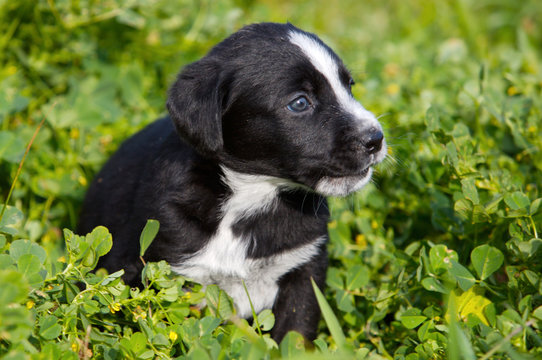
The Miniature Pinscher, also known as the Min Pin, is a small, energetic dog breed that has gained popularity in recent years due to its big personality and adorable appearance. If you're considering bringing a Min Pin into your family, it's essential to understand their temperament to ensure you can provide the best possible life for your new furry friend. In this article, we'll delve into the world of Miniature Pinscher temperament, exploring their characteristics, needs, and quirks, to help you decide if this breed is right for you.
Introduction to Miniature Pinscher Temperament
Miniature Pinschers are known for their bold, curious, and lively nature. They are naturally suspicious of strangers, which makes them excellent watchdogs, but they can also be wary of new people and environments. With proper socialization, however, Min Pins can become confident and friendly companions. They are highly intelligent and active, requiring regular exercise and mental stimulation to prevent boredom and destructive behavior. If you're looking for a low-maintenance pet, the Miniature Pinscher might not be the best fit, but if you're willing to invest time and effort into their care, you'll be rewarded with a loyal and loving friend.

Key Characteristics of Miniature Pinscher Temperament
So, what are the key characteristics that define the Miniature Pinscher temperament? Here are a few traits to keep in mind: they are energetic and require regular exercise, intelligent and responsive to training, loyal and loving to their family, but can be wary of strangers, and naturally curious and playful. Min Pins are also known for their big personalities, which can sometimes be misinterpreted as stubbornness or strong-willed behavior. With patience, consistency, and positive reinforcement, however, you can help your Min Pin develop good manners and a well-behaved temperament.
One of the most important things to remember when it comes to Miniature Pinscher temperament is that they are highly social dogs. They thrive on interaction and attention from their human family members, and they can become destructive or anxious if left alone for extended periods without proper exercise and mental stimulation. If you have a busy lifestyle or are away from home for long periods, you may need to consider hiring a dog walker or asking a friend to check in on your Min Pin during the day.
Training and Socialization
Training and socialization are crucial components of Miniature Pinscher care. From an early age, Min Pins need to be exposed to a variety of people, places, and experiences to help them develop confidence and calmness in new situations. Positive reinforcement training methods, such as clicker training and reward-based learning, are highly effective with this breed, as they are intelligent and eager to please. Consistency and patience are key when training a Min Pin, as they can be sensitive to criticism and negative feedback.

In addition to training, socialization is vital for helping your Min Pin develop good social skills and a well-adjusted temperament. This can include puppy socialization classes, dog park visits, and regular walks around the neighborhood to expose your dog to new sights, sounds, and smells. Remember to always supervise your Min Pin during socialization sessions, as they can be prone to fear-based aggression if they feel threatened or overwhelmed.
Common Challenges with Miniature Pinscher Temperament
While Miniature Pinschers can make wonderful companions, there are some common challenges that owners may face when it comes to their temperament. One of the most significant issues is their tendency to be wary of strangers, which can sometimes manifest as fear-based aggression. This can be addressed through careful socialization and training, but it's essential to be patient and consistent when working with your Min Pin.
Another challenge that Min Pin owners may face is their dog's high energy levels and need for regular exercise. If your Min Pin doesn't receive enough physical and mental stimulation, they may become bored, restless, or destructive. This can be addressed by providing regular walks, playtime, and interactive toys, as well as considering dog sports or activities that challenge your Min Pin's mind and body.

In some cases, Miniature Pinschers can also be prone to health issues that may impact their temperament, such as hypothyroidism or patellar luxation. Regular veterinary check-ups and a balanced diet can help prevent or manage these conditions, but it's essential to be aware of the potential risks and take steps to mitigate them.
Tips for Managing Miniature Pinscher Temperament
So, how can you manage your Miniature Pinscher's temperament and ensure they develop into a well-behaved and well-adjusted dog? Here are a few tips to keep in mind: provide regular exercise and mental stimulation, socialize your Min Pin from an early age, use positive reinforcement training methods, be patient and consistent when training, and consider dog sports or activities that challenge your Min Pin's mind and body.
It's also essential to remember that every dog is an individual, and what works for one Min Pin may not work for another. By taking the time to understand your dog's unique personality, needs, and quirks, you can tailor your approach to their specific requirements and help them develop a happy, healthy temperament.

In conclusion, the Miniature Pinscher temperament is a unique and rewarding aspect of this breed. With their bold, curious, and lively nature, Min Pins can make wonderful companions for active, dedicated owners. By understanding their characteristics, needs, and quirks, and taking steps to provide proper training, socialization, and care, you can help your Min Pin develop into a confident, loyal, and loving friend. Whether you're a seasoned dog owner or a newcomer to the world of canine companionship, the Miniature Pinscher is definitely worth considering – as long as you're prepared to provide the exercise, attention, and love they deserve.