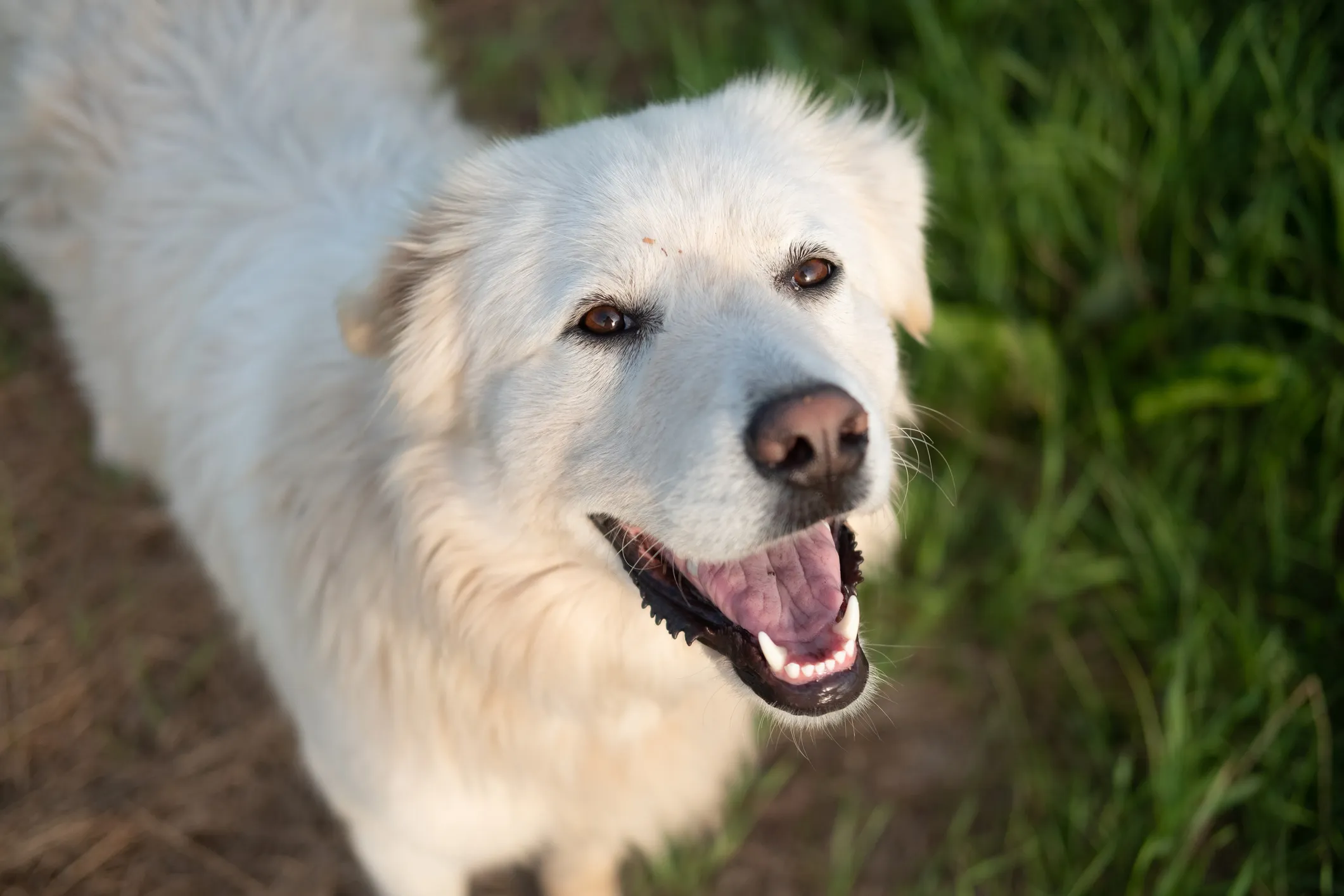
As a dog owner, it's not uncommon to come home to a chorus of barks, whines, and even destructive behavior when you've left your furry friend alone. You might be wondering, why does my dog bark when alone? Is it separation anxiety, boredom, or something else entirely? In this article, we'll delve into the possible reasons behind your dog's solo barking and provide you with some helpful tips to address the issue.
Understanding Canine Behavior
Dogs are social animals that thrive on interaction and attention from their human family members. When left alone, they can become anxious, stressed, or bored, leading to excessive barking. But before we dive into the reasons, it's essential to understand that every dog is different, and what works for one dog may not work for another. Factors such as breed, age, size, and individual personality all play a role in shaping your dog's behavior.
 My Dog Bark When Alone Understanding Canine Behavior" loading="lazy" style="max-width:700px;width:100%;height:auto;border-radius:8px;">
Separation Anxiety
One of the most common reasons dogs bark when alone is separation anxiety. This is a legitimate psychological disorder that affects many dogs, causing them to become distressed when left alone. Dogs with separation anxiety may exhibit behaviors such as barking, howling, pacing, and even destructive behavior like chewing or digging. If you suspect your dog has separation anxiety, it's crucial to address the issue with patience, consistency, and positive reinforcement training.
Another possible reason for your dog's solo barking is boredom. Dogs need mental and physical stimulation, and if they're not getting enough exercise, playtime, or mental stimulation, they may resort to barking out of sheer boredom. This is especially true for high-energy breeds that require regular exercise and engagement. Providing your dog with plenty of toys, puzzle games, and physical activity can help alleviate boredom and reduce barking.
Other Possible Reasons
There are several other reasons why your dog might bark when alone, including noise phobias, medical issues, and attention seeking. Some dogs may bark in response to external noises like sirens, construction, or other animals, while others may bark due to underlying medical issues like pain, discomfort, or sensory problems. In some cases, dogs may bark simply because they've learned that it gets a reaction from their owners, such as attention or treats.
 Why Does My Dog Bark When Alone Training and Socialization" loading="lazy" style="max-width:700px;width:100%;height:auto;border-radius:8px;">
To address your dog's barking, it's essential to identify the underlying cause. If you're unsure, consult with a professional dog trainer or behaviorist who can help you determine the root cause and develop a customized plan to address it. In the meantime, here are some general tips to help reduce your dog's solo barking: provide plenty of exercise and physical activity, engage your dog's mind with puzzle toys and games, and establish a consistent routine and schedule.
Training and Socialization
Training and socialization are critical components of addressing your dog's barking issue. Positive reinforcement training can help your dog learn new behaviors and respond to commands, while socialization can help them become more confident and calm in new environments. Socialization is especially important for puppies, as it helps them develop good social skills and reduces the risk of anxiety and fear-based behaviors.
 Does My Dog Bark When Alone" loading="lazy" style="max-width:700px;width:100%;height:auto;border-radius:8px;">
In addition to training and socialization, desensitization and counterconditioning can be effective techniques for addressing barking triggered by specific stimuli, such as noises or separation. Desensitization involves gradually exposing your dog to the stimulus that triggers the barking, while counterconditioning involves associating the stimulus with a positive outcome, such as treats or praise.
Management Strategies
While addressing the underlying cause of your dog's barking, it's essential to implement management strategies to reduce the barking in the short term. This may include providing a safe and comfortable space for your dog, such as a crate or quiet room, and using calming aids like pheromone diffusers or calming music. You can also try distracting your dog with a favorite toy or treat-filled puzzle toy when you leave the house.

It's also important to avoid reinforcing your dog's barking by giving them attention or treats when they bark. Instead, ignore the barking and reward your dog for calm behavior. Consistency is key, so make sure all family members are on the same page when it comes to addressing your dog's barking.
Conclusion
In conclusion, understanding why your dog barks when alone requires patience, observation, and a willingness to address the underlying cause. By providing plenty of exercise, mental stimulation, and positive reinforcement training, you can help reduce your dog's barking and create a more peaceful and harmonious home environment. Remember, every dog is unique, and what works for one dog may not work for another, so be patient and work with a professional if needed.
By following these tips and strategies, you can help your dog feel more comfortable and secure when left alone, reducing the likelihood of excessive barking and destructive behavior. And if you're still unsure about the cause of your dog's barking, don't hesitate to seek professional help from a veterinarian, dog trainer, or behaviorist. With time, patience, and the right approach, you can help your dog overcome barking issues and live a happier, healthier life.