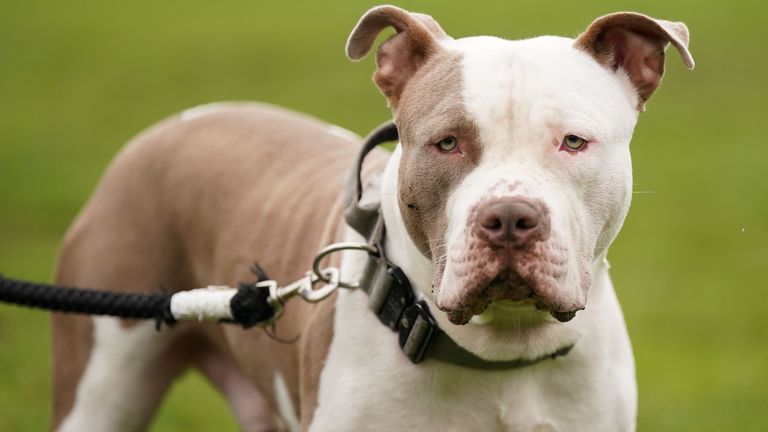
As a dog owner, it's natural to worry when you notice any changes in your furry friend's health, no matter how small they may seem. One common issue that can be quite alarming is swollen gums in dogs. Swollen gums, also known as gingivitis, can be a sign of an underlying dental problem that needs to be addressed. In this article, we'll delve into the causes of swollen gums in dogs, the symptoms to look out for, and what you can do to prevent and treat this condition.
Understanding Swollen Gums in Dogs
Before we dive into the causes, it's essential to understand what swollen gums are and how they can affect your dog's overall health. Swollen gums are a result of inflammation in the gums, which can be caused by a buildup of plaque and tartar on the teeth. This buildup can lead to infection, causing the gums to become red, swollen, and painful. If left untreated, swollen gums can lead to more severe dental problems, such as periodontal disease, which can cause tooth loss and other health issues.

Causes of Swollen Gums in Dogs
There are several causes of swollen gums in dogs, including poor oral hygiene, diet, and genetics. One of the most common causes is poor oral hygiene. Just like humans, dogs need regular dental care to prevent the buildup of plaque and tartar on their teeth. If your dog doesn't receive regular dental cleanings, either at home or at the vet's office, it can lead to swollen gums and other dental problems. Another cause is diet. Dogs that eat a diet high in sugar and carbohydrates are more prone to dental problems, including swollen gums.
Diet plays a significant role in your dog's oral health, and feeding your dog a balanced diet that's low in sugar and carbohydrates can help prevent swollen gums. Genetics can also play a role in swollen gums. Some breeds, such as Poodles and Chihuahuas, are more prone to dental problems due to their small jaw size and crowded teeth. Other causes of swollen gums in dogs include age, as older dogs are more prone to dental problems, and certain health conditions, such as diabetes and kidney disease.
Symptoms of Swollen Gums in Dogs
So, how can you tell if your dog has swollen gums? There are several symptoms to look out for, including red, swollen, and painful gums, bad breath, and yellow or brown teeth. If your dog is experiencing any of these symptoms, it's essential to take them to the vet as soon as possible. Other symptoms of swollen gums in dogs include bleeding gums, loose teeth, and changes in appetite or behavior. If your dog is showing any of these symptoms, it's crucial to seek veterinary care to prevent further complications.

In addition to these symptoms, you may also notice that your dog is having trouble eating or is avoiding certain foods due to dental pain. If you notice any of these symptoms, it's essential to take your dog to the vet for a check-up. Your vet will be able to examine your dog's teeth and gums and provide a proper diagnosis and treatment plan. In some cases, your vet may recommend a dental cleaning, which can help remove plaque and tartar from your dog's teeth and reduce inflammation in the gums.
Treatment and Prevention of Swollen Gums in Dogs
So, how can you treat and prevent swollen gums in dogs? The first step is to provide your dog with regular dental care, including brushing their teeth and providing dental chews and toys. Brushing your dog's teeth can help remove plaque and tartar, reducing the risk of swollen gums and other dental problems. You can use a dog-specific toothbrush and toothpaste to make the process easier and more enjoyable for your dog.
In addition to brushing your dog's teeth, you can also provide them with dental chews and toys to help reduce tartar and plaque. These products can help keep your dog's teeth clean and healthy, reducing the risk of swollen gums and other dental problems. A balanced diet that's low in sugar and carbohydrates can also help prevent swollen gums in dogs. Feeding your dog a high-quality dog food that's rich in nutrients and low in additives can help support their overall health, including their oral health.

Regular veterinary check-ups are also crucial in preventing and treating swollen gums in dogs. Your vet can examine your dog's teeth and gums and provide a proper diagnosis and treatment plan. In some cases, your vet may recommend a dental cleaning, which can help remove plaque and tartar from your dog's teeth and reduce inflammation in the gums. By providing your dog with regular dental care, a balanced diet, and regular veterinary check-ups, you can help prevent swollen gums and other dental problems.
Home Remedies for Swollen Gums in Dogs
In addition to providing your dog with regular dental care and a balanced diet, there are several home remedies that can help soothe and heal swollen gums in dogs. One home remedy is to add a small amount of salt to your dog's water, which can help reduce inflammation and kill bacteria in the mouth. Another home remedy is to use a water additive specifically designed for dogs, which can help reduce tartar and plaque and freshen breath.
You can also try using a dog-specific mouthwash to help reduce inflammation and kill bacteria in the mouth. However, it's essential to consult with your vet before using any home remedies, as they can recommend the best course of treatment for your dog's specific needs. In some cases, your vet may prescribe antibiotics or other medications to help treat swollen gums and other dental problems.

In conclusion, swollen gums in dogs can be a sign of an underlying dental problem that needs to be addressed. By providing your dog with regular dental care, a balanced diet, and regular veterinary check-ups, you can help prevent swollen gums and other dental problems. If you notice any symptoms of swollen gums in your dog, such as red, swollen, and painful gums, bad breath, or yellow or brown teeth, it's essential to take them to the vet as soon as possible. With proper treatment and care, you can help keep your dog's teeth and gums healthy and strong, reducing the risk of swollen gums and other dental problems.
Final Thoughts
As a dog owner, it's natural to want the best for your furry friend, and that includes their oral health. By understanding the causes of swollen gums in dogs, the symptoms to look out for, and what you can do to prevent and treat this condition, you can help keep your dog's teeth and gums healthy and strong. Remember, regular dental care, a balanced diet, and regular veterinary check-ups are crucial in preventing and treating swollen gums in dogs. If you have any concerns about your dog's oral health, don't hesitate to consult with your vet, as they can provide you with the best advice and treatment options for your dog's specific needs.