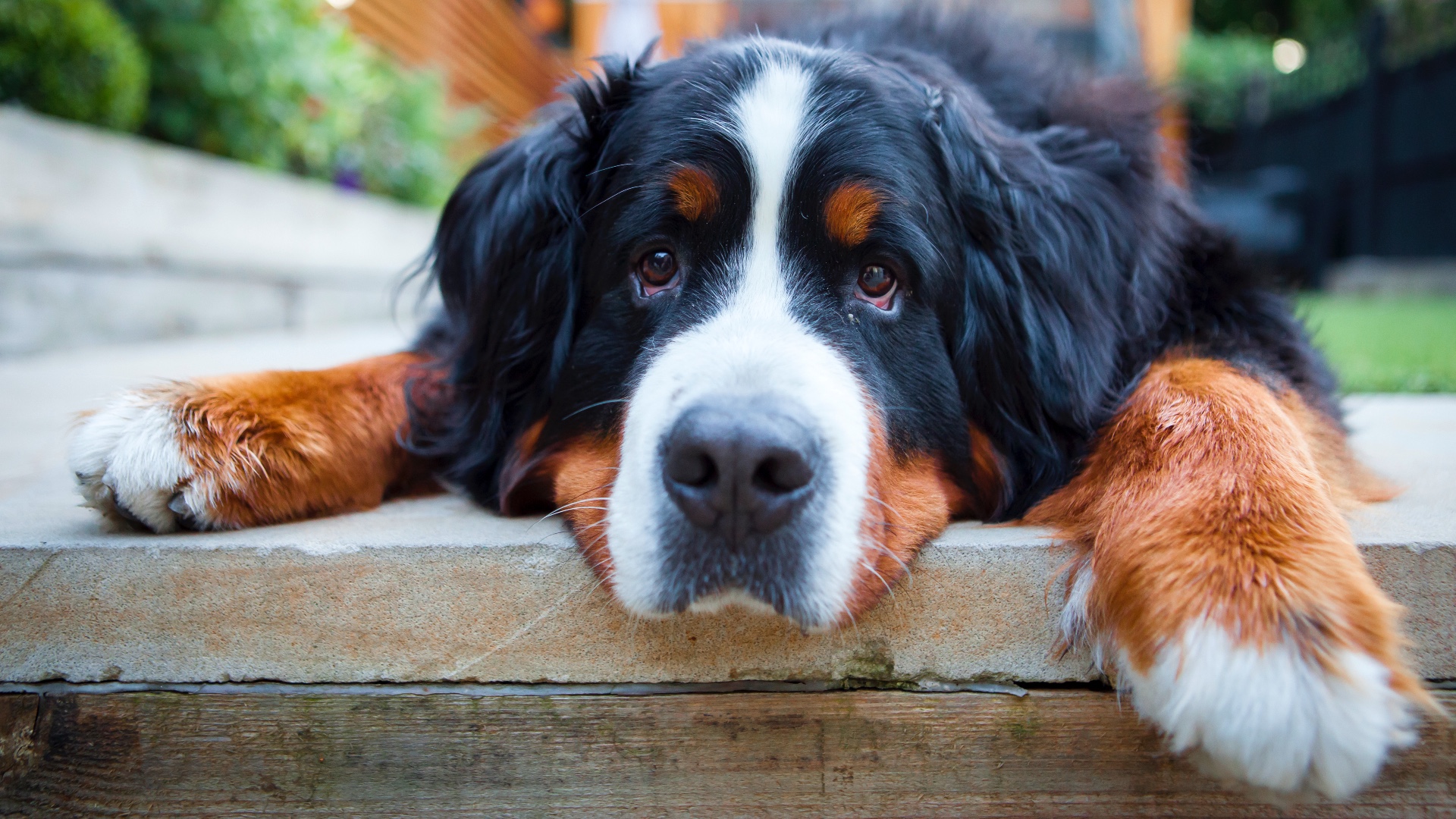
As a dog owner, there's nothing quite like the joy of seeing your furry friend's beautiful coat shine in the sun. Whether your dog has a thick, fluffy coat or a short, sleek one, their coat is a big part of what makes them look and feel their best. But have you ever noticed that your dog's coat doesn't seem to be looking its best? Maybe it's lost some of its luster, or the colors don't seem as vibrant as they used to be. This is a common problem known as dog coat fading, and it can be caused by a variety of factors. In this article, we'll take a closer look at what causes dog coat fading, and most importantly, how to prevent it.
What Causes Dog Coat Fading?
Before we dive into the ways to prevent dog coat fading, it's essential to understand what causes it in the first place. There are several factors that can contribute to dog coat fading, including genetics, nutrition, health issues, and environmental factors. For example, some breeds are more prone to coat fading due to their genetic makeup. Nutrition also plays a significant role, as a diet lacking essential nutrients can affect the health and appearance of your dog's coat. Health issues such as skin allergies, fleas, and ticks can also cause coat fading, as can environmental factors like excessive sun exposure and pollution.
 How To Prevent Dog Coat Fading What Causes Dog Coat Fading" loading="lazy" style="max-width:700px;width:100%;height:auto;border-radius:8px;">
Genetics and Coat Fading
As mentioned earlier, some breeds are more prone to coat fading due to their genetic makeup. For example, breeds with a high percentage of white or light-colored coats, such as Samoyeds and Maltese, are more likely to experience coat fading. This is because the genes that control coat color are also responsible for the production of melanin, the pigment that gives hair its color. When these genes are not functioning correctly, it can lead to a reduction in melanin production, resulting in a faded coat. While there's not much you can do to change your dog's genetic makeup, understanding the role of genetics in coat fading can help you take steps to prevent it.
Nutrition and Coat Health
Nutrition plays a vital role in maintaining the health and appearance of your dog's coat. A diet rich in essential nutrients, such as protein, omega-3 fatty acids, and vitamins, is crucial for promoting healthy skin and coat. A deficiency in these nutrients can lead to a range of problems, including coat fading. For example, a lack of omega-3 fatty acids can cause dry, brittle hair that's more prone to fading. Similarly, a diet lacking vitamin E can lead to a reduction in melanin production, resulting in a faded coat.
 Prevent Dog Coat Fading How to Prevent Dog Coat Fading" loading="lazy" style="max-width:700px;width:100%;height:auto;border-radius:8px;">
How to Prevent Dog Coat Fading
Now that we've discussed the causes of dog coat fading, let's take a look at some ways to prevent it. While it's not possible to completely prevent coat fading, there are several steps you can take to reduce the risk and promote a healthy, vibrant coat. These include providing a balanced diet, protecting your dog from excessive sun exposure, using gentle grooming products, and keeping your dog's skin and coat healthy. By following these tips, you can help keep your dog's coat looking its best and reduce the risk of coat fading.
Providing a Balanced Diet
As mentioned earlier, nutrition plays a vital role in maintaining the health and appearance of your dog's coat. To prevent coat fading, it's essential to feed your dog a balanced diet that's rich in essential nutrients. This includes protein, omega-3 fatty acids, and vitamins, as well as other nutrients like zinc and copper. You can also consider adding supplements to your dog's diet, such as fish oil or coconut oil, to promote healthy skin and coat.

Protecting Your Dog from Sun Exposure
Excessive sun exposure is a common cause of dog coat fading, especially in dogs with light-colored coats. To prevent this, it's essential to protect your dog from the sun, especially during peak hours. This can include providing shade, using a dog sunscreen, or limiting your dog's time outdoors during the hottest part of the day. You can also consider using a coat conditioner or spray that contains SPF to help protect your dog's coat from the sun. By taking these steps, you can help reduce the risk of coat fading and keep your dog's coat looking its best.
In addition to providing a balanced diet and protecting your dog from sun exposure, there are several other steps you can take to prevent dog coat fading. These include using gentle grooming products, keeping your dog's skin and coat healthy, and avoiding excessive heat styling. By following these tips, you can help promote a healthy, vibrant coat and reduce the risk of coat fading.

Conclusion
Dog coat fading is a common problem that can be caused by a variety of factors, including genetics, nutrition, health issues, and environmental factors. While it's not possible to completely prevent coat fading, there are several steps you can take to reduce the risk and promote a healthy, vibrant coat. By providing a balanced diet, protecting your dog from excessive sun exposure, using gentle grooming products, and keeping your dog's skin and coat healthy, you can help keep your dog's coat looking its best. Remember, a healthy coat is not just about looks - it's also an indicator of your dog's overall health and well-being. By taking the steps outlined in this article, you can help promote a healthy, happy dog with a beautiful, vibrant coat.