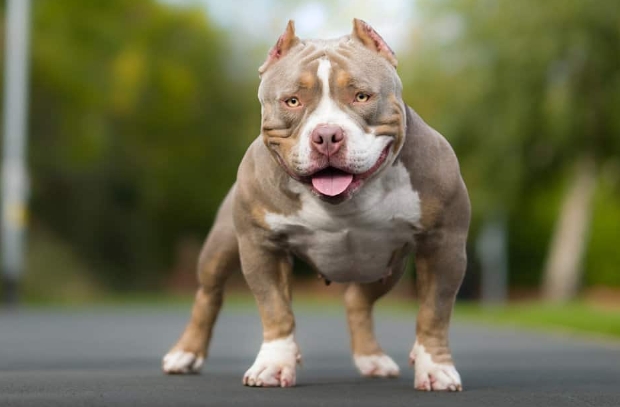
Are you tired of dealing with a dog that gets overly excited or anxious during mealtime? You're not alone. Many dog owners struggle with this issue, and it can be frustrating and stressful for both you and your furry friend. In this article, we'll explore the reasons behind this behavior and provide you with practical tips on how to train your dog to stay calm during feeding preparation.
Understanding the Problem
Before we dive into the solution, it's essential to understand why dogs get so worked up during mealtime. For many dogs, mealtime is the highlight of their day, and they associate the sounds, smells, and sights of food preparation with excitement and anticipation. This can lead to a range of behaviors, from barking and whining to jumping up and down or even becoming aggressive. In some cases, dogs may have had negative experiences during mealtime, such as being punished or scolded for misbehaving, which can create anxiety and stress.
 Dogs to Stay Calm During Feeding Preparation Understanding the Problem" loading="lazy" style="max-width:700px;width:100%;height:auto;border-radius:8px;">
Identifying the Triggers
To address the problem, you need to identify the specific triggers that set your dog off during mealtime. Is it the sound of the can opener, the smell of food, or the sight of you preparing their bowl? Once you've pinpointed the triggers, you can start working on a plan to desensitize your dog to these stimuli. For example, if your dog goes crazy when they hear the can opener, you can start by simply opening an empty can in a different room, then gradually increasing the proximity and volume over time.
It's also important to consider your dog's individual personality and temperament. Some dogs are naturally more high-strung or sensitive than others, and may require a more gentle and patient approach. By understanding your dog's unique needs and characteristics, you can tailor your training approach to meet their specific requirements.
Creating a Calm Environment
One of the most critical factors in training your dog to stay calm during feeding preparation is creating a calm and relaxed environment. This means minimizing distractions, reducing noise levels, and promoting a sense of tranquility. You can achieve this by feeding your dog in a quiet room, turning off the TV, and avoiding loud conversations or arguments during mealtime. You can also use calming aids like pheromone diffusers, calming music, or even a Thunder Shirt to help your dog feel more relaxed.
 How To Train Dogs to Stay Calm During Feeding Preparation Training Techniques" loading="lazy" style="max-width:700px;width:100%;height:auto;border-radius:8px;">
In addition to creating a calm environment, it's essential to establish a consistent routine and stick to it. Dogs thrive on predictability, and a regular feeding schedule can help reduce anxiety and uncertainty. You can also use this routine to your advantage by incorporating calming activities, such as short walks or playtime, before meals to help your dog relax and unwind.
Training Techniques
Now that we've covered the basics, let's dive into some specific training techniques to help your dog stay calm during feeding preparation. One of the most effective methods is desensitization and counterconditioning. This involves gradually exposing your dog to the triggers that set them off, while associating these stimuli with positive outcomes, such as treats and praise.
For example, if your dog gets excited when they see you preparing their food, you can start by simply showing them the food container or bag, then rewarding them with a treat for remaining calm. Gradually increase the proximity and visibility of the food over time, always rewarding calm behavior. You can also use this technique to desensitize your dog to the sounds and smells of food preparation, such as the can opener or the aroma of cooking meat.
 How To Train Dogs to Stay Calm During Feeding Preparation" loading="lazy" style="max-width:700px;width:100%;height:auto;border-radius:8px;">
Another effective technique is to teach your dog a "wait" or "stay" command, which can help them learn to remain calm and patient during mealtime. This command can be especially useful if you have a dog that tends to jump up or get overexcited when they see food. By teaching your dog to wait calmly, you can reduce the stress and anxiety associated with mealtime, and create a more positive and enjoyable experience for both you and your dog.
Managing Mealtime Behavior
Of course, even with training and desensitization, some dogs may still exhibit unwanted behavior during mealtime. This is where management techniques come in – strategies to minimize and redirect undesirable behavior. One of the most effective management techniques is to use a "no attention" policy, where you ignore your dog's barking, whining, or jumping up, and only reward calm behavior.
You can also use physical barriers, such as baby gates or screens, to block your dog's access to the kitchen or dining area during mealtime. This can help reduce the stress and excitement associated with meal preparation, and create a safer and more relaxed environment for everyone.

Finally, it's essential to be patient and consistent when training your dog to stay calm during feeding preparation. Changing behavior takes time, effort, and persistence, and it's essential to avoid punishment or scolding, which can create more problems than it solves. By working with your dog, using positive reinforcement techniques, and creating a calm and relaxed environment, you can help your dog learn to associate mealtime with positive experiences, rather than stress and anxiety.
Conclusion
Training your dog to stay calm during feeding preparation requires patience, persistence, and a deep understanding of canine behavior. By identifying the triggers, creating a calm environment, and using desensitization and counterconditioning techniques, you can help your dog learn to associate mealtime with positive experiences, rather than stress and anxiety. Remember to be patient, consistent, and positive, and to always reward calm behavior. With time and effort, you can create a more relaxed and enjoyable mealtime experience for both you and your dog.