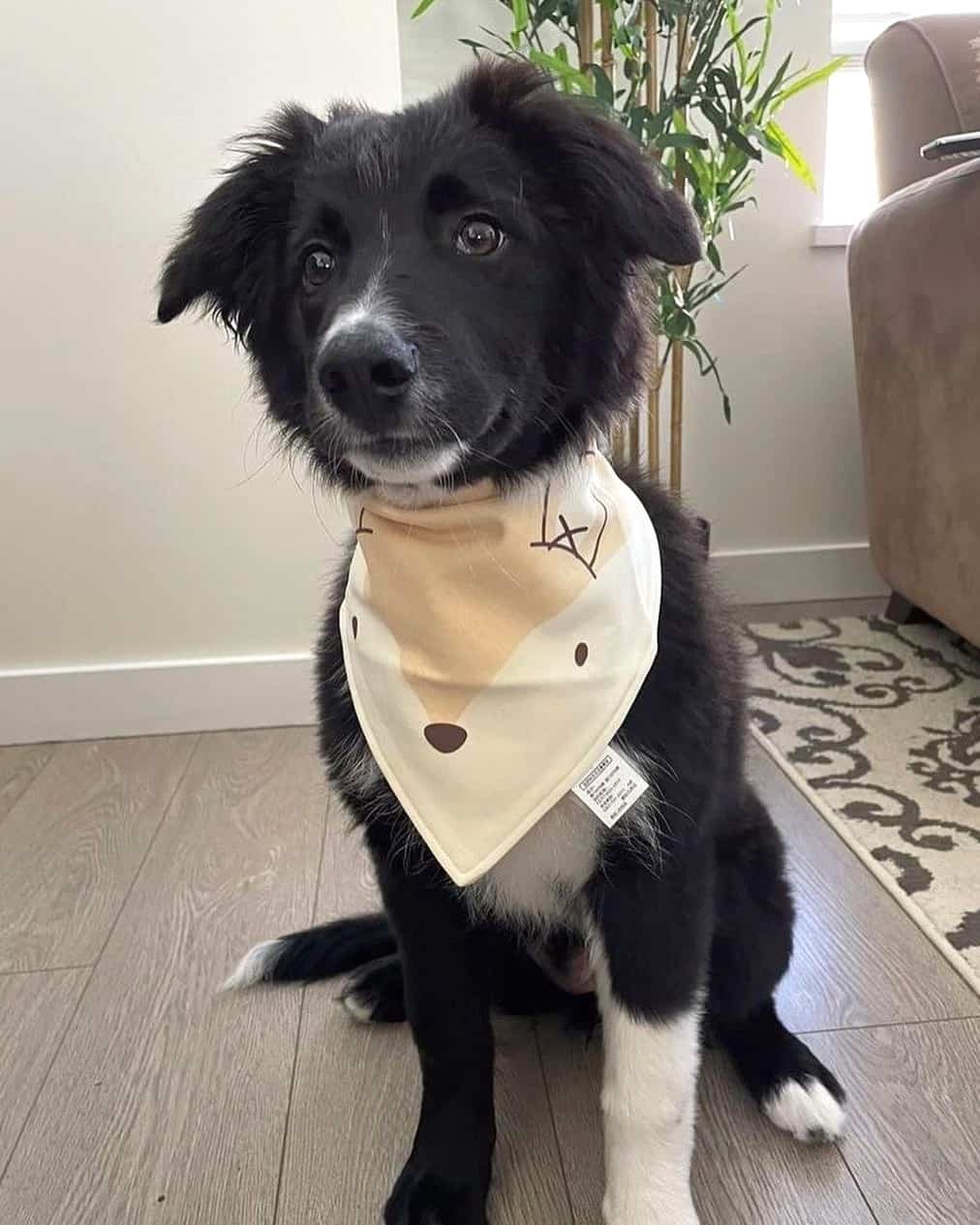
As a dog owner, you're probably no stranger to the chaos that can ensue when it's time to clean the house. The vacuum cleaner comes out, the mop starts swishing, and before you know it, your poor pup is cowering in the corner, tail between their legs. But what if I told you that with a little patience and practice, you can train your dog to stay calm during house cleaning? It's a game-changer, trust me. In this article, we'll dive into the world of canine calmness and explore the best ways to keep your furry friend relaxed and happy, even when the cleaning chaos erupts.
Understanding Your Dog's Fears
Before we can start training our dogs to stay calm, we need to understand what's causing their anxiety in the first place. For many dogs, the noise and commotion of house cleaning can be overwhelming. The roar of the vacuum, the clang of the mop, and the sight of the broom can all be terrifying for a sensitive pup. But it's not just the noise – it's also the change in routine and the feeling of uncertainty that comes with it. By acknowledging and addressing these fears, we can start to build a plan to help our dogs feel more secure and calm.
 To Train Dogs to Stay Calm During House Cleaning Understanding Your Dogs Fears" loading="lazy" style="max-width:700px;width:100%;height:auto;border-radius:8px;">
Desensitization: The Key to Calmness
So, how do we go about desensitizing our dogs to the sights and sounds of house cleaning? It's actually quite simple. Start by introducing the cleaning tools and equipment at a low level, allowing your dog to become familiar with the objects and the noises they make. For example, you can start by simply placing the vacuum cleaner in the room, then gradually increase the volume over time. You can also try touching the mop or broom gently, allowing your dog to sniff and explore the objects at their own pace. The goal is to make the cleaning equipment seem normal and non-threatening, rather than something to be feared.
As you progress, you can start to mimic the motions of cleaning, such as moving the mop or vacuum cleaner around the room. But here's the important part: you need to reward your dog for remaining calm. Use treats, praise, and affection to reinforce good behavior, and avoid punishing or scolding your dog for getting anxious. By doing so, you'll create a positive association with the cleaning process, and your dog will begin to see it as a normal part of life.
Gradual Exposure: The Next Step
Once your dog is comfortable with the cleaning equipment and noises, it's time to take things to the next level. Start by introducing the actual cleaning process, but at a slow and gradual pace. Begin with short sessions, such as vacuuming a small area or mopping a single room. As your dog becomes more confident, you can increase the duration and intensity of the cleaning. Remember to reward your dog for remaining calm, and avoid pushing them too far – if they start to show signs of anxiety, it's best to slow down and go back to a previous step.
 How To Train Dogs to Stay Calm During House Cleaning Training Tips and Tricks" loading="lazy" style="max-width:700px;width:100%;height:auto;border-radius:8px;">
Another important aspect of gradual exposure is to make sure your dog has a safe space to retreat to if they feel overwhelmed. This could be a crate, a separate room, or even a designated "quiet zone" where they can relax and escape the chaos. By providing a safe haven, you'll give your dog a sense of security and control, which is essential for building confidence and calmness.
Training Tips and Tricks
Now that we've covered the basics of desensitization and gradual exposure, let's dive into some specific training tips and tricks to help your dog stay calm during house cleaning. One of the most effective techniques is to use positive reinforcement training, which focuses on rewarding good behavior rather than punishing bad behavior. This can be as simple as giving your dog a treat or praise when they remain calm during a cleaning session.
Another useful technique is to use calming aids, such as pheromone diffusers or calming music, to create a relaxing atmosphere. These can be especially helpful during intense cleaning sessions, such as when you're using the vacuum cleaner or mop. You can also try using a "calming signals" approach, where you use a specific phrase or gesture to signal to your dog that everything is okay. For example, you can say "it's okay, buddy" or use a calming touch on the shoulder to reassure your dog.

In addition to these techniques, it's also important to establish a consistent routine and stick to it. Dogs thrive on predictability, so by establishing a regular cleaning schedule, you can help your dog feel more secure and in control. You can also try to make cleaning more enjoyable for your dog by incorporating fun activities, such as playing fetch or hide-and-seek, into the cleaning process.
Common Challenges and Solutions
Of course, no training process is without its challenges, and house cleaning is no exception. One of the most common challenges dog owners face is dealing with excessive barking or whining during cleaning sessions. To address this, try using a "quiet" command, where you reward your dog for remaining silent during the cleaning process. You can also try using a calming aid, such as a pheromone diffuser, to help reduce your dog's stress levels.
Another common challenge is dealing with destructive behavior, such as chewing or digging, during cleaning sessions. To address this, try providing your dog with a suitable alternative, such as a chew toy or a puzzle toy, to keep them occupied during the cleaning process. You can also try increasing the exercise and mental stimulation your dog receives before the cleaning session, to help reduce their excess energy and anxiety.

Finally, it's worth noting that every dog is different, and what works for one dog may not work for another. Be patient, consistent, and gentle, and remember that training is a process that takes time and effort. With the right approach and techniques, you can help your dog stay calm and relaxed during house cleaning, and create a more harmonious and peaceful home environment for everyone.
Conclusion
In conclusion, training your dog to stay calm during house cleaning is a process that requires patience, consistency, and positive reinforcement. By understanding your dog's fears, desensitizing them to the sights and sounds of cleaning, and gradually exposing them to the cleaning process, you can help your dog feel more secure and calm. Remember to use positive reinforcement training, calming aids, and consistent routines to support your dog's learning process, and don't be afraid to seek professional help if you need additional guidance or support.
With time and practice, you can help your dog become a calm and relaxed companion during house cleaning, and enjoy a more peaceful and harmonious home environment. So why not give it a try? Start with small steps, be patient and consistent, and watch your dog transform into a calm and confident companion. Happy cleaning – and happy training!