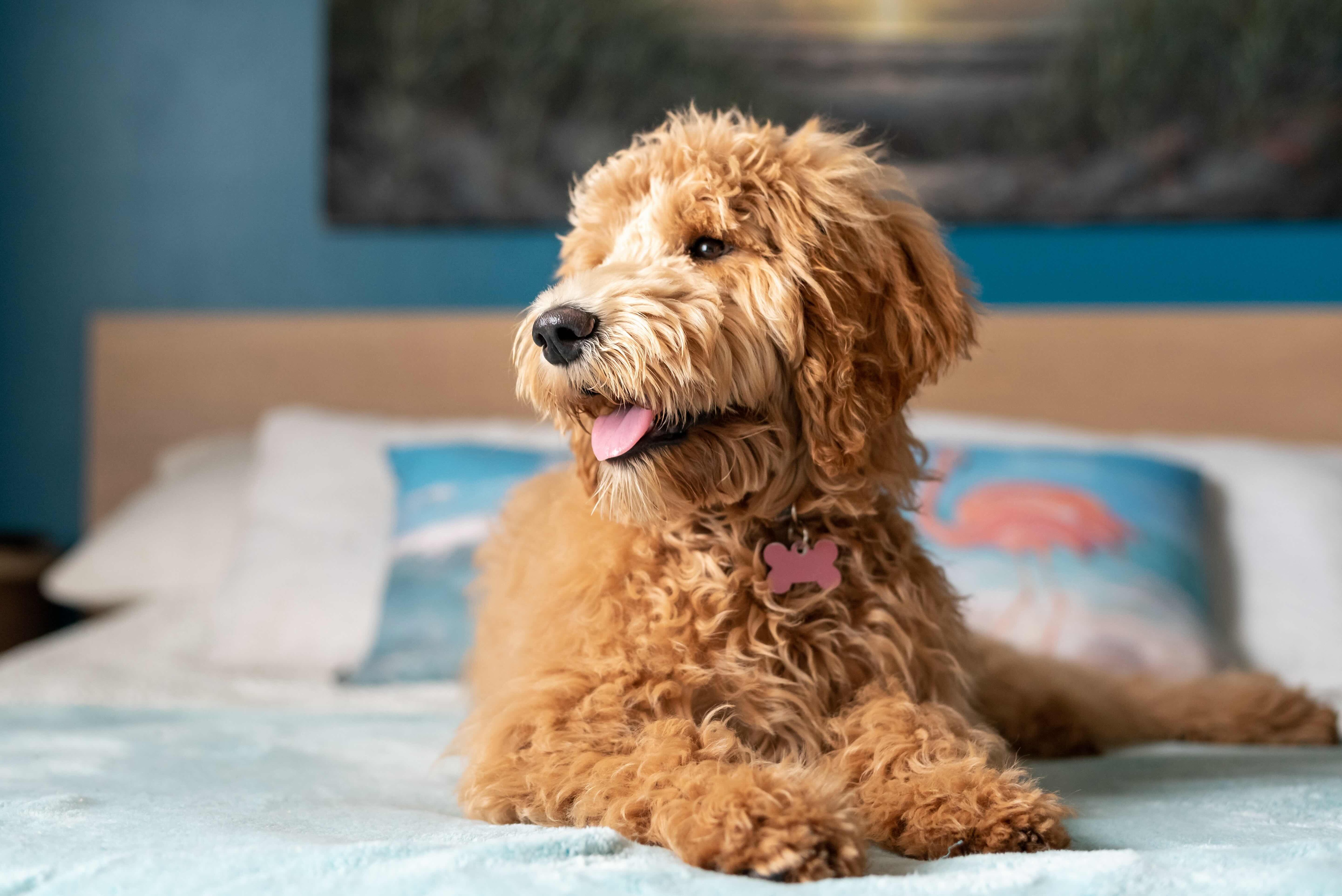
Have you ever caught your dog staring intently at a mirror or window, barking furiously at their own reflection? It's a common phenomenon that can leave pet owners confused and amused at the same time. If you're wondering why your dog barks when seeing reflections, you're not alone. In this article, we'll delve into the possible reasons behind this behavior and explore what you can do to help your furry friend feel more at ease.
Understanding Canine Behavior
To grasp why dogs bark at reflections, we need to understand their behavior and perception. Dogs are highly social animals that thrive on interaction and communication. They use a range of vocalizations, including barking, to convey emotions and needs. When a dog sees its reflection, it may perceive it as another dog or a potential threat, triggering a natural response to defend its territory or establish dominance. This instinctual reaction is deeply ingrained in their nature, and it's not something they can easily control.
 Does My Dog Bark When Seeing Reflections Understanding Canine Behavior" loading="lazy" style="max-width:700px;width:100%;height:auto;border-radius:8px;">
The Role of Reflections in Canine Confusion
Reflections can be a source of confusion for dogs, especially if they're not familiar with them. When a dog sees its reflection, it may not recognize itself, leading to a range of reactions. Some dogs may approach the reflection cautiously, trying to figure out who or what it is. Others may become aggressive, barking and growling at the perceived intruder. This confusion can be attributed to the fact that dogs rely heavily on scent and body language to identify individuals, and reflections don't provide the same cues.
In some cases, dogs may even try to play with their reflection, running back and forth in front of the mirror or window. This behavior is often seen in puppies or young dogs, who are still learning about their surroundings and may not fully understand the concept of reflections. As they mature, they may become more aware of their reflection and react differently to it.
Environmental Factors
The environment in which your dog encounters reflections can also play a significant role in their reaction. For example, if your dog sees its reflection in a quiet, enclosed space, it may become more anxious or aggressive. On the other hand, if the reflection is seen in a busy, distracting environment, your dog may be less likely to react strongly. Additionally, the type of surface reflecting your dog's image can influence their behavior. A mirror, for instance, provides a clear and detailed reflection, which may be more likely to trigger a reaction than a distorted reflection in a window.
 Why Does My Dog Bark When Seeing Reflections Training and Socialization" loading="lazy" style="max-width:700px;width:100%;height:auto;border-radius:8px;">
Another important factor to consider is the presence of other animals or people in the environment. If your dog sees its reflection in the presence of others, it may feel more threatened or competitive, leading to a stronger reaction. Conversely, if your dog is alone when it encounters its reflection, it may be more likely to approach it cautiously or ignore it altogether.
Training and Socialization
While it's impossible to eliminate your dog's reaction to reflections entirely, you can take steps to help them become more comfortable and confident in their presence. Training and socialization are key components of this process. By exposing your dog to various environments and situations, you can help them develop better coping mechanisms and reduce their anxiety or aggression around reflections.
Desensitization and counterconditioning are two effective techniques for addressing your dog's reaction to reflections. Desensitization involves gradually exposing your dog to the reflection, starting from a distance or with a distorted image, and rewarding them for calm behavior. Counterconditioning, on the other hand, involves associating the reflection with positive outcomes, such as treats or praise, to help your dog develop a more positive association.
 My Dog Bark When Seeing Reflections" loading="lazy" style="max-width:700px;width:100%;height:auto;border-radius:8px;">
Consistency and patience are essential when training your dog to respond to reflections. It's crucial to remember that every dog is different, and what works for one dog may not work for another. By working with a professional dog trainer or behaviorist, you can develop a customized training plan that addresses your dog's unique needs and personality.
Managing Your Dog's Reaction
While training and socialization can help reduce your dog's reaction to reflections, there may be situations where you need to manage their behavior in the short term. If your dog becomes overly anxious or aggressive around reflections, it's essential to prioritize their safety and well-being. This may involve removing access to mirrors or windows, providing a calm and quiet space for your dog to relax, or using calming aids such as pheromone diffusers or calming treats.
In some cases, your dog's reaction to reflections may be a symptom of a broader anxiety or behavioral issue. If you're concerned about your dog's behavior or overall well-being, it's always best to consult with a professional dog trainer or behaviorist for personalized guidance and support.
 Why Does My Dog Bark When Seeing Reflections" loading="lazy" style="max-width:700px;width:100%;height:auto;border-radius:8px;">
By understanding the underlying reasons for your dog's reaction to reflections and taking steps to address their behavior, you can help them feel more at ease and confident in their surroundings. Remember, every dog is unique, and it may take time and patience to develop a tailored approach that meets their individual needs.
Conclusion
In conclusion, your dog's reaction to reflections is a complex phenomenon that can be influenced by a range of factors, including their perception, environment, and individual personality. By understanding these factors and taking a proactive approach to training and socialization, you can help your dog become more comfortable and confident in the presence of reflections. Whether your dog is a seasoned pro or a puppy in training, remember to always prioritize their safety and well-being, and seek professional guidance if you're concerned about their behavior or overall health.