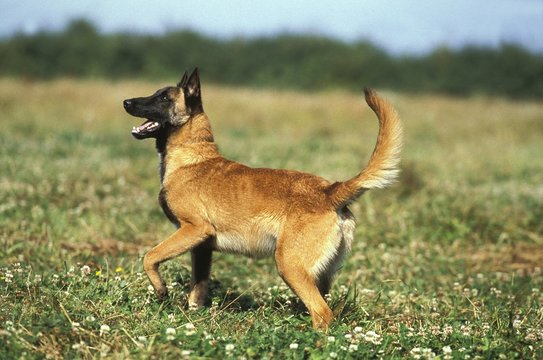
As a dog owner, it's not uncommon to notice your furry friend exhibiting some pretty quirky behaviors. One of the most intriguing and often puzzling behaviors is when your dog starts crying or whining when they see food. Yes, you read that right - crying when they see food! It's as if they're trying to convey a deep emotional message, but what could they possibly be trying to say? In this article, we'll delve into the possible reasons behind this peculiar behavior and explore what it might mean for your dog's emotional and physical well-being.
Understanding Canine Communication
To grasp why your dog cries when seeing food, it's essential to understand how dogs communicate. Unlike humans, dogs don't possess the ability to express themselves through complex language. Instead, they rely on a range of vocalizations, body language, and physical cues to convey their emotions and needs. Whining, crying, and whimpering are all part of a dog's vocal repertoire, and they can indicate anything from excitement and anxiety to hunger and attention-seeking.
 Why Does My Dog Cry When Seeing Food Understanding Canine Communication" loading="lazy" style="max-width:700px;width:100%;height:auto;border-radius:8px;">
The Role of Emotions in Canine Behavior
Dogs are highly emotional creatures, and their feelings can be intensely linked to their sense of smell and appetite. The smell of food can evoke strong emotions in dogs, ranging from excitement and anticipation to frustration and disappointment. When your dog catches a whiff of something delicious, their brain goes into overdrive, triggering a cascade of emotional responses. This emotional arousal can manifest as whining, crying, or even barking, as they try to convey their desire for the food. It's not uncommon for dogs to become so fixated on food that they'll do just about anything to get their paws on it.
In some cases, a dog's emotional response to food can be attributed to their breeding history. Certain breeds, such as hunting dogs, have been selectively bred to respond strongly to food and prey. This innate drive can lead to intense emotional reactions when they're presented with food, making them more prone to whining and crying.
 My Dog Cry When Seeing Food Environmental and Training Factors" loading="lazy" style="max-width:700px;width:100%;height:auto;border-radius:8px;">
Medical and Physical Factors
While emotions play a significant role in your dog's behavior, it's also important to consider medical and physical factors that might be contributing to their crying when seeing food. Some dogs may be experiencing hunger or food deprivation, which can lead to increased emotional arousal and whining. Others might be suffering from underlying medical conditions, such as gastrointestinal issues or food sensitivities, that make eating a stressful or uncomfortable experience. In these cases, the crying or whining may be a coping mechanism or a way of seeking comfort and reassurance.
In addition to medical issues, some dogs may be experiencing dental problems or oral pain that makes eating uncomfortable. This discomfort can lead to whining or crying when they see food, as they associate the smell and sight of food with pain or discomfort. Regular veterinary check-ups and dental care can help identify and address these underlying issues.
 Why Does My Dog Cry When Seeing Food" loading="lazy" style="max-width:700px;width:100%;height:auto;border-radius:8px;">
Environmental and Training Factors
Environmental and training factors can also contribute to your dog's crying when seeing food. If your dog has learned to associate whining or crying with getting attention or food, they may continue to exhibit this behavior even when they're not hungry. This learned behavior can be challenging to break, especially if it's been reinforced over time. Additionally, dogs that are fed in a stressful or chaotic environment may become anxious or excited when they see food, leading to whining or crying.
Training and socialization can also play a significant role in shaping your dog's behavior around food. Dogs that are not socialized to eat in a calm and relaxed environment may become overexcited or anxious when they see food, leading to whining or crying. By teaching your dog to eat in a calm and relaxed manner, you can help reduce their emotional arousal and minimize unwanted behaviors.

Addressing the Behavior
So, how can you address your dog's crying when seeing food? The first step is to identify the underlying causes of the behavior. If you suspect that your dog is crying due to hunger or food deprivation, try adjusting their feeding schedule or adding more nutrients to their diet. If you think that medical issues might be contributing to the behavior, consult with your veterinarian to rule out any underlying health problems.
In terms of training and environmental factors, it's essential to teach your dog to associate calm behavior with food. You can start by feeding your dog in a quiet, relaxed environment and rewarding them for calm behavior. Avoid reinforcing whining or crying by giving your dog attention or food when they exhibit these behaviors. Instead, wait for them to calm down before offering food or attention. With patience, consistency, and positive reinforcement, you can help your dog develop more desirable behaviors around food.
In conclusion, a dog's crying when seeing food is a complex behavior that can be influenced by a range of factors, including emotions, medical issues, environmental factors, and training. By understanding the underlying causes of this behavior and addressing them in a compassionate and informed manner, you can help your dog develop a healthier and more positive relationship with food. Remember, every dog is unique, and what works for one dog may not work for another. With patience, love, and proper guidance, you can help your furry friend navigate the complexities of food and emotions, leading to a happier, healthier, and more harmonious relationship between you and your dog.