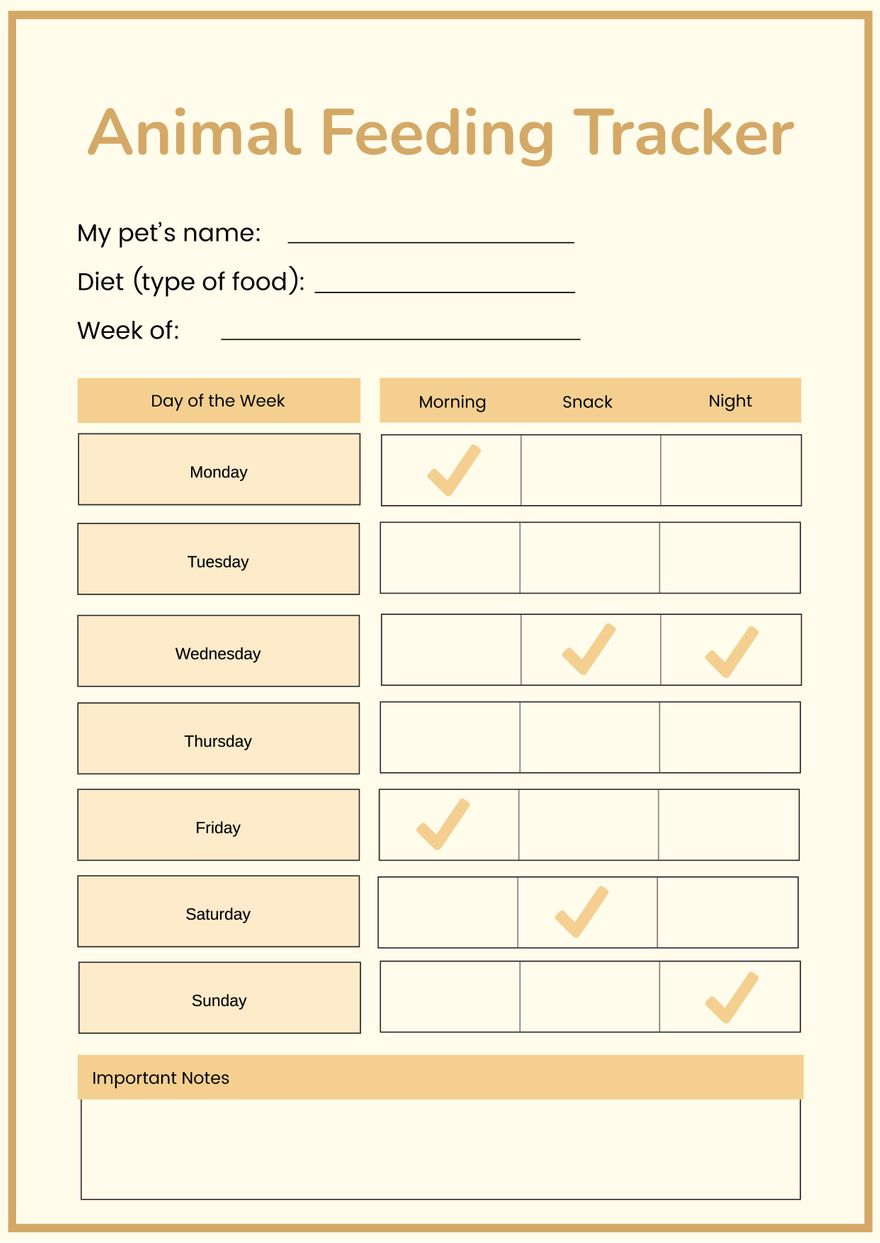
As a dog owner, you've probably wondered at some point if it's okay to skip a meal for your furry friend. Maybe you're going out of town and can't find someone to feed your dog, or perhaps you're running late from work and can't get home in time for dinner. Whatever the reason, it's essential to consider the implications of skipping meals for your dog. In this article, we'll delve into the world of canine nutrition and explore whether dogs can skip meals without problems.
Understanding Canine Nutrition
Dogs are omnivores, which means they require a balanced diet that includes a mix of protein, fat, carbohydrates, vitamins, and minerals. Their nutritional needs vary depending on factors such as age, breed, size, and activity level. Puppies, for example, require more frequent meals than adult dogs, as they need to fuel their rapid growth and development.

Adult dogs, on the other hand, can thrive on a consistent feeding schedule, with most dogs requiring two meals per day. However, some dogs may require more or less frequent meals, depending on their individual needs. It's crucial to work with your veterinarian to determine the best feeding schedule for your dog, taking into account their unique requirements and health status.
What Happens When a Dog Skips a Meal?
Skipping a meal can have varying effects on dogs, depending on their age, health, and nutritional status. Healthy adult dogs can typically miss a meal without significant consequences, as long as they're not malnourished or suffering from a medical condition. However, puppies, senior dogs, and dogs with certain health conditions may be more susceptible to the negative effects of skipping a meal.
When a dog skips a meal, their body will start to break down stored energy sources, such as glycogen and fat, to fuel their bodily functions. This can lead to a range of symptoms, including lethargy, weakness, and decreased appetite. In severe cases, skipping meals can lead to malnutrition, dehydration, and even organ damage.

Risks Associated with Skipping Meals
While an occasional missed meal is unlikely to cause significant harm, regular or prolonged meal skipping can lead to a range of health problems. Some of the risks associated with skipping meals include:
Malnutrition: Inadequate nutrition can lead to malnutrition, which can cause a range of health problems, including weight loss, poor coat condition, and weakened immune function.
Dehydration: Skipping meals can lead to dehydration, particularly if your dog is not drinking enough water. Dehydration can cause symptoms such as dry mouth, dark urine, and decreased skin elasticity.
Diabetes: Skipping meals can disrupt blood sugar levels, which can increase the risk of developing diabetes.
Gastrointestinal problems: Irregular feeding schedules can lead to gastrointestinal problems, such as diarrhea, vomiting, and stomach upset.
It's essential to remember that every dog is different, and the risks associated with skipping meals will vary depending on your dog's individual needs and health status. If you're concerned about your dog's nutrition or health, it's always best to consult with your veterinarian for personalized advice.
When is it Okay to Skip a Meal?
While it's generally not recommended to skip meals for your dog, there may be situations where it's unavoidable. For example, if your dog is experiencing gastrointestinal upset or has a medical condition that requires a temporary change in their diet, your veterinarian may recommend skipping a meal or two.
In addition, some dogs may require a period of fasting for medical procedures or tests. In these situations, it's essential to follow your veterinarian's instructions carefully to ensure your dog's safety and well-being.
If you need to skip a meal for your dog, it's crucial to ensure they're staying hydrated by providing plenty of fresh water. You can also consider offering a small, nutritious snack, such as a piece of cooked chicken or a handful of dog treats, to help keep their energy levels up.

Alternatives to Skipping Meals
Rather than skipping meals, there are several alternatives you can consider to ensure your dog's nutritional needs are met. These include:
Automated feeders: Automated feeders can be programmed to dispense meals at set times, ensuring your dog is fed consistently, even when you're not at home.
Ask a friend or family member: If you're going to be away from home, consider asking a friend or family member to feed your dog for you.
Hire a pet sitter: Professional pet sitters can visit your home to feed and care for your dog while you're away.
Take your dog with you: If possible, consider taking your dog with you when you're away from home. This can be a great way to spend quality time with your dog and ensure their nutritional needs are met.
By exploring these alternatives, you can help ensure your dog's nutritional needs are met, even when you're not at home. Remember, it's always better to prioritize your dog's health and well-being, rather than risking the negative consequences of skipping meals.
Conclusion
In conclusion, while dogs can skip a meal without significant problems, it's essential to consider the potential risks and consequences. Regular or prolonged meal skipping can lead to malnutrition, dehydration, and other health problems, particularly for puppies, senior dogs, and dogs with certain medical conditions.
By understanding your dog's nutritional needs and exploring alternatives to skipping meals, you can help ensure their health and well-being. Remember, every dog is different, and it's crucial to work with your veterinarian to determine the best feeding schedule and nutrition plan for your furry friend.
As a responsible dog owner, it's up to you to prioritize your dog's health and nutrition. By doing so, you can help your dog thrive and enjoy a happy, healthy life. Whether you're a seasoned dog owner or a newcomer to the world of canine care, we hope this article has provided you with valuable insights and practical tips for managing your dog's meals and nutrition.