
As a dog owner, one of the most important things you can do for your furry friend is to provide them with a healthy and balanced diet. But it's not just about what you feed them, it's also about when you feed them. In this article, we'll explore the best feeding schedule for adult dogs, and provide you with some tips and advice on how to keep your dog happy and healthy.
Understanding Your Dog's Nutritional Needs
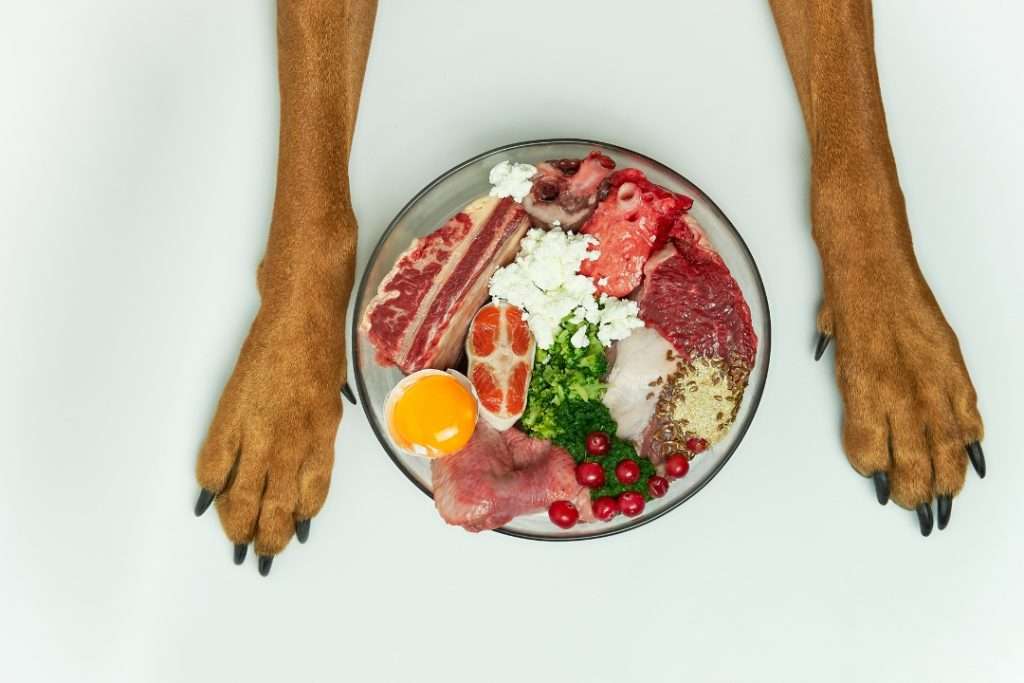
Before we dive into the best feeding schedule for adult dogs, it's essential to understand their nutritional needs. Adult dogs require a balanced diet that includes protein, fat, carbohydrates, vitamins, and minerals. The exact nutritional needs of your dog will depend on their age, size, breed, and activity level. For example, a high-energy breed like a Border Collie will require more protein and calories than a low-energy breed like a Bulldog.
Factors to Consider When Creating a Feeding Schedule
When creating a feeding schedule for your adult dog, there are several factors to consider. These include your dog's age, size, breed, activity level, and any health conditions they may have. For example, if your dog has diabetes, you'll need to feed them at regular intervals to help regulate their blood sugar levels. You should also consider your work schedule and lifestyle, as this will impact when and how often you can feed your dog. If you have a busy schedule, you may need to consider a feeding schedule that allows for flexibility and adjustments as needed.
How Often to Feed Your Adult Dog
So, how often should you feed your adult dog? The answer will depend on your dog's individual needs and circumstances. Generally, adult dogs should be fed twice a day, in the morning and evening. This allows them to digest their food properly and helps to prevent overeating. However, some dogs may require more frequent feeding, such as those with high-energy levels or certain health conditions. It's also important to avoid feeding your dog too close to bedtime, as this can disrupt their sleep patterns and cause digestive issues.

In addition to the frequency of feeding, it's also essential to consider the quality of your dog's food. Look for a high-quality dog food that is rich in protein, whole grains, and essential vitamins and minerals. Avoid fillers and by-products, and opt for a food that is tailored to your dog's specific needs and life stage. For example, if you have a senior dog, you may want to consider a food that is specifically formulated for older dogs and contains joint supplements and other age-related nutrients.
Benefits of a Consistent Feeding Schedule
A consistent feeding schedule can have numerous benefits for your adult dog. For one, it can help to regulate their digestive system and prevent issues like diarrhea and constipation. A consistent feeding schedule can also help to manage your dog's weight, as it ensures they are getting the right amount of calories and nutrients at the right times. Additionally, a consistent feeding schedule can help to reduce stress and anxiety in your dog, as they will know when to expect their meals and can plan their day accordingly.

Tips for Creating a Feeding Schedule
So, how can you create a feeding schedule that works for you and your adult dog? Here are a few tips to get you started. First, start by determining your dog's individual needs and circumstances, as we discussed earlier. Next, consider your work schedule and lifestyle, and think about how you can feed your dog at consistent times each day. You may want to consider using an automatic feeder or hiring a dog walker to feed your dog if you have a busy schedule. Finally, be sure to monitor your dog's progress and adjust their feeding schedule as needed.
Common Feeding Mistakes to Avoid
When it comes to feeding your adult dog, there are several common mistakes to avoid. One of the most common mistakes is overfeeding, which can lead to obesity and other health problems. Another mistake is feeding your dog too many treats, which can disrupt their balanced diet and cause digestive issues. You should also avoid feeding your dog table scraps, as these can be high in fat and salt and can cause stomach upset. Finally, be sure to avoid making sudden changes to your dog's diet, as this can cause digestive upset and other health issues.

In addition to avoiding common feeding mistakes, it's also essential to monitor your dog's health and adjust their feeding schedule as needed. For example, if your dog is experiencing digestive issues or weight gain, you may need to adjust their food or feeding schedule. You should also keep an eye on your dog's overall health and well-being, and consult with your veterinarian if you have any concerns or questions.
Conclusion
In conclusion, creating a feeding schedule for your adult dog is an essential part of providing them with a healthy and balanced diet. By understanding your dog's nutritional needs, considering their individual circumstances, and avoiding common feeding mistakes, you can help to keep your dog happy and healthy. Remember to always consult with your veterinarian if you have any questions or concerns, and be sure to monitor your dog's progress and adjust their feeding schedule as needed. With the right feeding schedule and a little bit of planning, you can help your adult dog thrive and live a long and happy life.
As a final note, it's essential to remember that every dog is different, and what works for one dog may not work for another. Be patient, stay flexible, and work with your veterinarian to find a feeding schedule that works for you and your adult dog. With time and practice, you can develop a feeding schedule that meets your dog's unique needs and helps them to live a happy and healthy life.
