As a dog owner, one of the most important decisions you'll make is how often to feed your furry friend. It's a question that can be tricky to answer, as every dog is different, and their nutritional needs can vary greatly depending on factors such as age, size, breed, and activity level. In this article, we'll delve into the world of canine nutrition and explore the best feeding schedules for your dog, so you can make informed decisions and keep your companion happy and healthy.
Understanding Your Dog's Nutritional Needs
Before we dive into the nitty-gritty of feeding schedules, it's essential to understand your dog's nutritional needs. Dogs are omnivores, which means they require a balanced diet that includes protein, fat, carbohydrates, vitamins, and minerals. The nutritional requirements of your dog will depend on their life stage, with puppies, adults, and seniors having different needs. For example, puppies require more protein and calories to support their growth and development, while seniors may need fewer calories and more joint support.

A good quality dog food will provide your dog with all the necessary nutrients, but it's crucial to choose the right type of food for your dog's life stage and lifestyle. For instance, if you have a high-energy breed, such as a Border Collie or an Australian Shepherd, you may need to feed them a high-protein food to support their energy needs. On the other hand, if you have a less active breed, such as a Bulldog or a Pug, you may need to feed them a lower-calorie food to prevent obesity.
Factors That Affect Feeding Schedules
Several factors can affect how often you should feed your dog, including their age, size, breed, and activity level. Puppies, for example, require more frequent feeding than adult dogs, as they need to fuel their rapid growth and development. Small breeds, such as Chihuahuas and Poodles, may require more frequent feeding than larger breeds, such as Great Danes and Mastiffs, due to their higher metabolic rate.

Activity level is another crucial factor to consider when determining your dog's feeding schedule. If your dog is highly active, such as a working dog or a dog that engages in high-intensity exercise, they may require more frequent feeding to replenish their energy stores. On the other hand, if your dog is relatively sedentary, such as a couch potato, they may require less frequent feeding to prevent obesity.
Feeding Schedules for Different Life Stages
So, how often should you feed your dog? The answer depends on their life stage. Puppies, for example, require three to four meals per day until they are about six months old. At this stage, they need to fuel their rapid growth and development, and frequent feeding helps to prevent hypoglycemia (low blood sugar).

Adult dogs, on the other hand, can thrive on one to two meals per day, depending on their activity level and lifestyle. If you have a high-energy dog, you may need to feed them twice a day to support their energy needs. However, if you have a less active dog, once a day may be sufficient. Seniors, who are typically dogs over the age of seven, may require less frequent feeding, as their metabolism slows down with age.
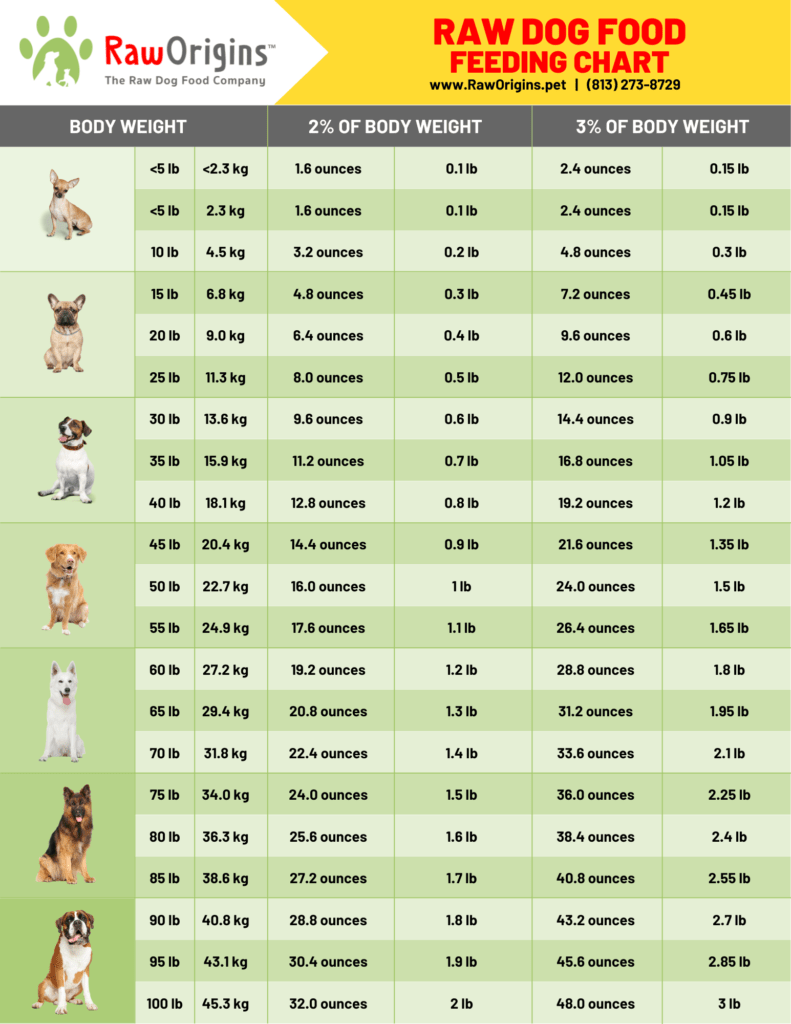
It's also important to consider the type of food you're feeding your dog. If you're feeding a high-quality, nutrient-rich food, you may be able to feed your dog less frequently than if you're feeding a lower-quality food. Additionally, if you're feeding a raw or homemade diet, you may need to feed your dog more frequently, as these diets can be more filling and require more frequent feeding to prevent hunger and dissatisfaction.
Monitoring Your Dog's Health and Adjusting Their Feeding Schedule
Monitoring your dog's health is crucial to determining the best feeding schedule for them. If you notice that your dog is gaining or losing weight, or if they're experiencing digestive issues, such as diarrhea or constipation, you may need to adjust their feeding schedule.

It's also essential to keep an eye on your dog's energy levels and adjust their feeding schedule accordingly. If you notice that your dog is lethargic or lacking energy, you may need to increase the frequency or amount of food you're feeding them. On the other hand, if you notice that your dog is hyperactive or restless, you may need to decrease the frequency or amount of food you're feeding them.
Working with your veterinarian is also crucial in determining the best feeding schedule for your dog. Your veterinarian can help you monitor your dog's health and adjust their feeding schedule as needed. They can also provide you with personalized feeding recommendations based on your dog's specific needs and health status.
Common Feeding Mistakes to Avoid
While feeding your dog can seem like a straightforward process, there are several common mistakes to avoid. Overfeeding, for example, is a common mistake that can lead to obesity and other health problems. Underfeeding, on the other hand, can lead to malnutrition and other health issues.

Free-feeding, which involves leaving food out all the time, is another common mistake to avoid. This can lead to overeating and obesity, as well as create picky eating habits. It's also essential to avoid feeding your dog table scraps, as these can be high in calories and low in nutrients, leading to nutritional imbalances and health problems.
Finally, it's crucial to avoid making sudden changes to your dog's feeding schedule or diet. This can lead to digestive upset and other health issues, so it's essential to make gradual changes and monitor your dog's health closely.
Conclusion
In conclusion, determining the best feeding schedule for your dog can be a complex process, but by considering their life stage, size, breed, and activity level, you can make informed decisions and keep your companion happy and healthy. Remember to monitor your dog's health and adjust their feeding schedule as needed, and work with your veterinarian to ensure you're providing the best possible care for your furry friend. With patience, persistence, and the right guidance, you can help your dog thrive and enjoy a long, happy, and healthy life. [IMAGE]