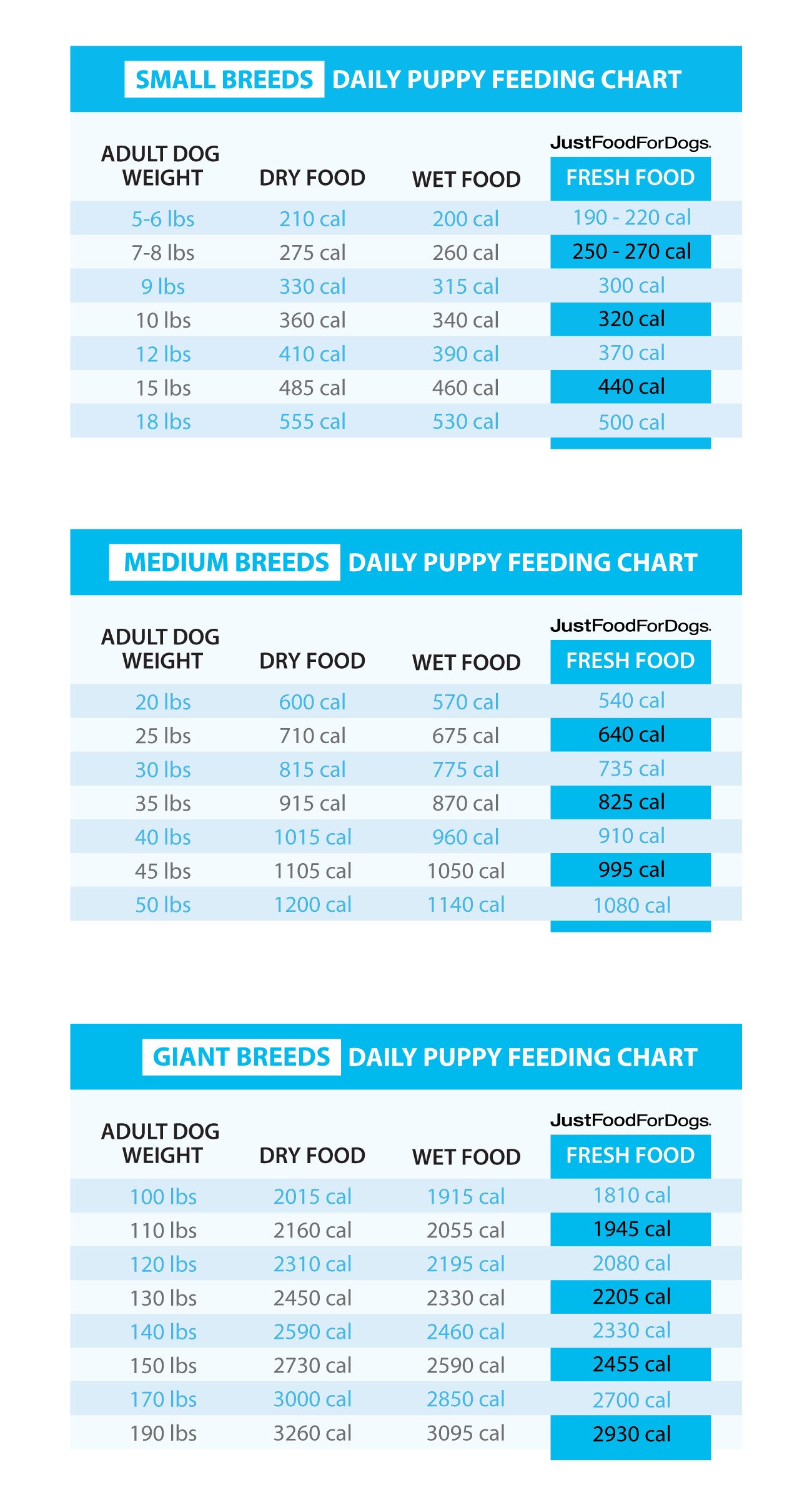
As a dog owner, one of the most important decisions you'll make is how much food to give your furry friend. It's a question that can be tricky to answer, especially with all the different types of dog food on the market and the varying nutritional needs of different breeds and sizes of dogs. In this article, we'll delve into the world of dog nutrition and explore the factors that will help you determine how much food your dog should be getting.
Understanding Your Dog's Nutritional Needs
Before we can talk about how much food your dog should be eating, we need to understand their nutritional needs. Dogs are omnivores, which means they need a diet that includes a mix of protein, fat, carbohydrates, vitamins, and minerals. The specific nutritional needs of your dog will depend on their age, size, breed, and level of activity. For example, puppies need more protein and calories than adult dogs, while senior dogs may need fewer calories and more fiber.

The Importance of Reading Dog Food Labels
When it comes to choosing a dog food, it's essential to read the label carefully. Look for a food that is high in protein and moderate in fat, with complex carbohydrates such as whole grains or sweet potatoes. Avoid foods that are high in fillers, such as corn or wheat, and opt for a food that is rich in fruits and vegetables. You should also consider the life stage of your dog, as different life stages have different nutritional requirements. For example, a puppy food will have a different nutrient profile than a food for adult dogs.
Another important thing to consider when reading dog food labels is the feeding guidelines. These guidelines will give you an idea of how much food your dog should be eating per day, based on their weight and activity level. However, it's essential to remember that these are just guidelines, and the actual amount of food your dog needs may vary.

Factors That Affect How Much Food Your Dog Needs
There are several factors that can affect how much food your dog needs, including their size, age, breed, and level of activity. For example, a high-energy breed such as a Border Collie will need more calories than a low-energy breed such as a Bulldog. Similarly, a dog that is highly active and gets a lot of exercise will need more calories than a dog that is sedentary. You should also consider the climate you live in, as dogs in hotter climates may need more water and dogs in colder climates may need more calories to stay warm.
In addition to these factors, you should also consider your dog's individual characteristics, such as their metabolism and body condition. Some dogs may be more prone to weight gain or obesity, while others may be naturally leaner. By taking all of these factors into account, you can get a better idea of how much food your dog should be eating.
Measuring Your Dog's Food
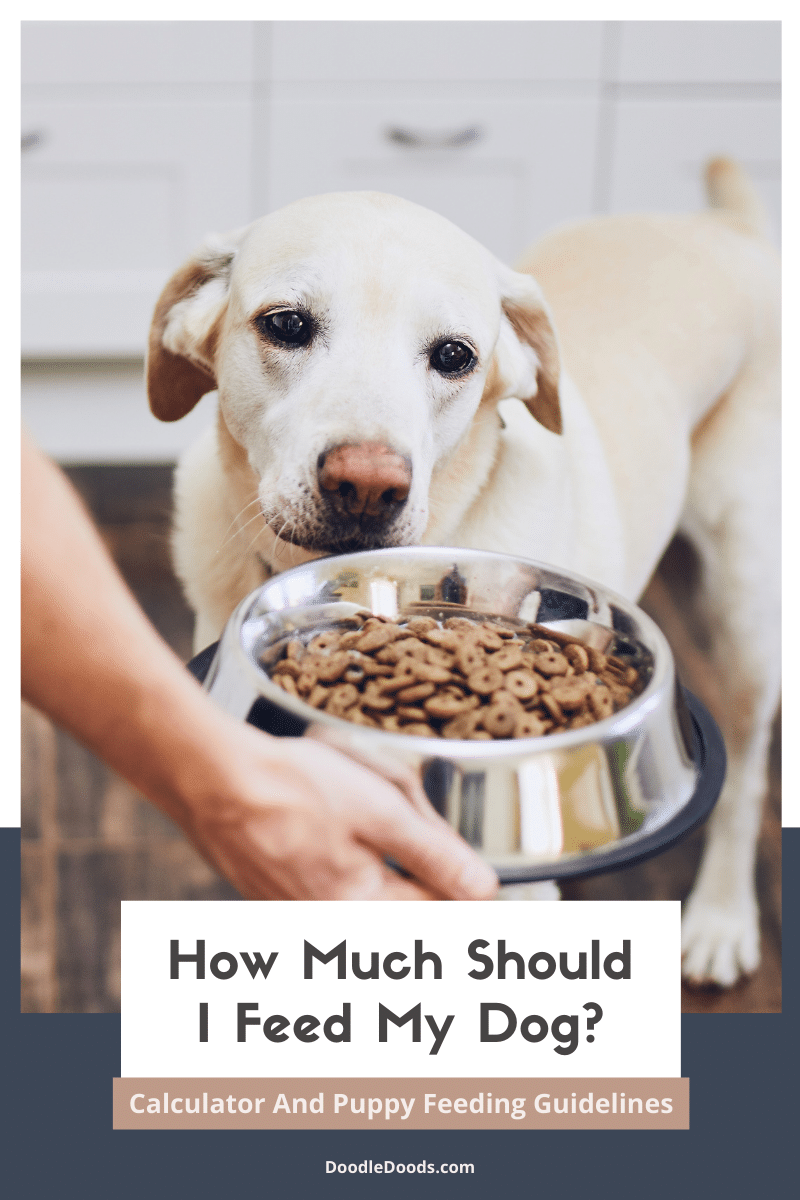
Once you've determined how much food your dog should be eating, it's essential to measure their food accurately. This will help ensure that your dog is getting the right amount of nutrients and prevent overfeeding or underfeeding. The best way to measure your dog's food is to use a digital kitchen scale or a measuring cup. Avoid estimating the amount of food, as this can lead to inconsistencies and may affect your dog's health.
It's also essential to divide your dog's daily ration into multiple meals, rather than feeding them one large meal per day. This will help prevent digestive upset and keep your dog feeling fuller for longer. For example, you could feed your dog three meals per day, or use a slow-feeder to slow down their eating and make mealtime more engaging.

Monitoring Your Dog's Weight and Body Condition
Monitoring your dog's weight and body condition is crucial to ensuring they're getting the right amount of food. You should weigh your dog regularly and adjust their food intake accordingly. You should also check their body condition by feeling their ribs, spine, and hips. If you can feel these bones easily, your dog may be underweight. If you can't feel them at all, your dog may be overweight.
In addition to monitoring your dog's weight and body condition, you should also keep an eye on their overall health and well-being. Look for signs such as increased energy, shiny coat, and healthy digestion. If you notice any changes in your dog's health or behavior, you should consult with your veterinarian to determine the cause and make any necessary adjustments to their diet.
Common Mistakes to Avoid
When it comes to feeding your dog, there are several common mistakes to avoid. One of the most common mistakes is overfeeding, which can lead to obesity and other health problems. Another mistake is underfeeding, which can lead to malnutrition and other health issues. You should also avoid feeding your dog table scraps or human food, as this can lead to digestive upset and create unhealthy eating habits.
Finally, you should avoid making sudden changes to your dog's diet, as this can cause digestive upset and other health issues. Instead, make gradual changes over a period of days or weeks, and monitor your dog's health and well-being closely. By avoiding these common mistakes and following the guidelines outlined in this article, you can help ensure your dog is getting the right amount of food and staying healthy and happy.
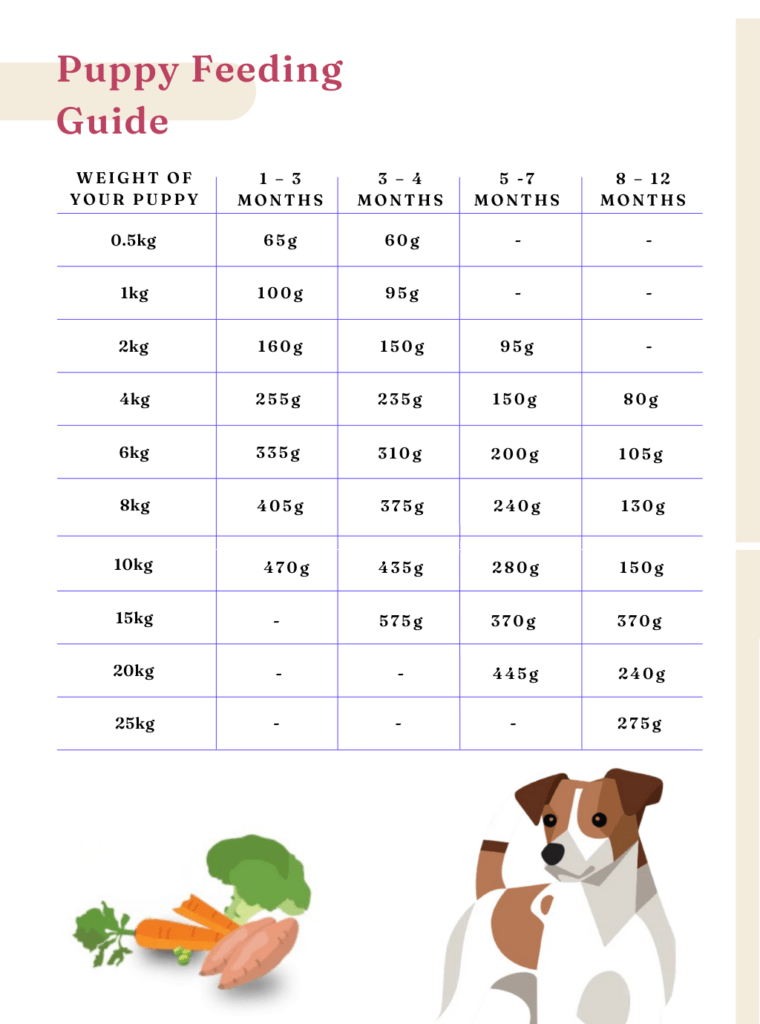
In conclusion, determining how much food to give your dog can be a complex and nuanced issue. By understanding your dog's nutritional needs, reading dog food labels carefully, and considering factors such as size, age, breed, and activity level, you can get a better idea of how much food your dog should be eating. Remember to measure your dog's food accurately, divide their daily ration into multiple meals, and monitor their weight and body condition regularly. By following these guidelines and avoiding common mistakes, you can help ensure your dog is getting the right amount of food and staying healthy and happy for years to come.