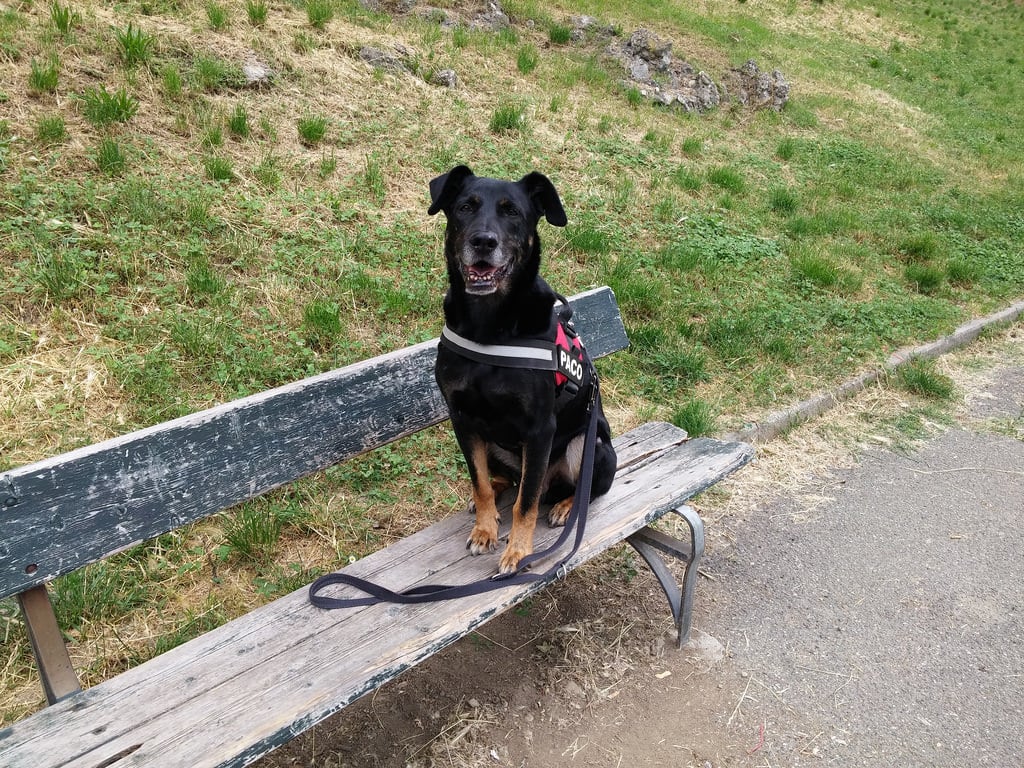
When it comes to dog training, one of the most common questions that pet owners ask is "how long does it take?" The answer to this question can vary greatly depending on several factors, including the age and breed of your dog, the type of training you're looking to do, and the amount of time and effort you're willing to put in. In this article, we'll take a closer look at the different factors that can affect the length of time it takes to train a dog, and provide some general guidelines to help you get started.
Understanding the Basics of Dog Training
Before we dive into the specifics of how long dog training takes, it's essential to understand the basics of dog training. Dog training is a process that involves teaching your dog new behaviors, skills, and commands, and it's an ongoing process that requires patience, consistency, and positive reinforcement. The goal of dog training is to help your dog become a well-behaved and well-adjusted member of your family, and it's an investment that can pay off in many ways, from improving your dog's behavior to strengthening the bond between you and your pet.

Factors That Affect the Length of Time it Takes to Train a Dog
There are several factors that can affect the length of time it takes to train a dog, including the age and breed of your dog, the type of training you're looking to do, and the amount of time and effort you're willing to put in. For example, puppies typically require more training and socialization than older dogs, and some breeds, such as Border Collies and German Shepherds, are generally easier to train than others, such as Bulldogs and Pugs. The type of training you're looking to do can also impact the length of time it takes, with basic obedience training typically requiring less time and effort than advanced training or specialized training, such as agility or search and rescue training.
In addition to these factors, the amount of time and effort you're willing to put into training your dog can also impact the length of time it takes. Consistency and patience are key when it comes to dog training, and it's essential to set aside time each day to work with your dog and reinforce new behaviors and commands. The more time and effort you put into training your dog, the faster you'll see results, and the stronger the bond will be between you and your pet.
The Importance of Positive Reinforcement
Positive reinforcement is a crucial aspect of dog training, and it's essential to use rewards and praise to encourage good behavior, rather than punishment or negative reinforcement. Positive reinforcement can include treats, praise, and affection, and it's a powerful tool for building trust and strengthening the bond between you and your dog. By using positive reinforcement, you can help your dog learn new behaviors and commands quickly and efficiently, and you can avoid common pitfalls, such as fear and aggression, that can arise from negative reinforcement.

General Guidelines for Dog Training
While the length of time it takes to train a dog can vary greatly depending on the factors mentioned above, there are some general guidelines that can help you get started. For basic obedience training, such as teaching your dog to sit, stay, and come, you can expect to spend around 10-15 minutes per day, 3-4 times a week, for several weeks or months. For more advanced training, such as agility or search and rescue training, you may need to spend more time and effort, up to 30 minutes per day, 5-6 times a week, for several months or even years.
It's also essential to remember that dog training is an ongoing process, and it's not something that you can do once and then forget about. Dogs require ongoing training and socialization to remain well-behaved and well-adjusted, and it's essential to continue reinforcing new behaviors and commands throughout your dog's life. By doing so, you can help your dog become a well-behaved and well-adjusted member of your family, and you can strengthen the bond between you and your pet.

Tips for Successful Dog Training
There are several tips that can help you succeed in dog training, including setting clear goals and expectations, using positive reinforcement, and being consistent and patient. It's also essential to start with simple commands and gradually build up to more complex ones, and to use high-value rewards and praise to encourage good behavior. Additionally, it's crucial to avoid distractions, such as other dogs or people, and to minimize stress and anxiety, which can negatively impact the training process.
Another important tip is to be aware of your dog's body language and behavior, and to adjust your training approach accordingly. Dogs communicate primarily through body language, and it's essential to recognize signs of stress, anxiety, or fear, such as yawning, panting, or avoiding eye contact. By being aware of these signs, you can adjust your training approach to meet your dog's needs, and you can avoid common pitfalls, such as pushing your dog too hard or too fast.

Common Challenges in Dog Training
Despite the many rewards of dog training, there are also common challenges that can arise, such as lack of motivation, distraction, or frustration. It's essential to remember that dog training is a process, and it's normal to encounter setbacks or challenges along the way. By staying positive, patient, and consistent, you can overcome these challenges and achieve your goals, and you can help your dog become a well-behaved and well-adjusted member of your family.
In addition to these challenges, it's also essential to be aware of common mistakes that can negatively impact the training process, such as using punishment or negative reinforcement, or pushing your dog too hard or too fast. By avoiding these mistakes, you can create a positive and supportive training environment, and you can help your dog learn new behaviors and commands quickly and efficiently.
Conclusion
In conclusion, the length of time it takes to train a dog can vary greatly depending on several factors, including the age and breed of your dog, the type of training you're looking to do, and the amount of time and effort you're willing to put in. By understanding the basics of dog training, using positive reinforcement, and being consistent and patient, you can help your dog become a well-behaved and well-adjusted member of your family. Remember to set clear goals and expectations, start with simple commands and gradually build up to more complex ones, and be aware of your dog's body language and behavior. With time, effort, and patience, you can overcome common challenges and achieve your goals, and you can enjoy a stronger, more rewarding relationship with your dog.