
Are you tired of coming home to a messy house and a guilty-looking dog? Do you want to be able to leave your furry friend at home without worrying about what kind of trouble they'll get into? Training your dog to stay at home is a crucial part of their development, and with patience, consistency, and positive reinforcement, you can teach your dog to behave themselves when you're not around. In this article, we'll take a comprehensive look at how to train a dog to stay at home, including tips, tricks, and expert advice.
Why Is It Important to Train Your Dog to Stay at Home?
Before we dive into the nitty-gritty of training, let's talk about why it's so important to teach your dog to stay at home. For one, it's a matter of safety - if your dog is prone to escaping or getting into trouble when you're not around, it can be a real concern. Additionally, training your dog to stay at home can help reduce separation anxiety, which can be a major issue for many dogs. By teaching your dog that it's okay to be alone, you can help them feel more secure and relaxed when you're not around.

Preparation Is Key
Before you start training your dog to stay at home, there are a few things you'll need to do to prepare. First, make sure your dog has a comfortable and secure place to rest - this could be a crate, a bed, or even a designated "dog zone" in your home. You'll also want to make sure your dog has plenty of toys and chews to keep them occupied, as well as a way to get exercise and mental stimulation. This could be a walk or playtime before you leave the house, or even a puzzle toy filled with treats.

It's also important to establish a consistent routine when it comes to leaving the house. This could be as simple as putting on your shoes and coat, grabbing your keys, or saying a specific phrase - the key is to create a clear signal that tells your dog it's time for you to leave. By doing this, you can help your dog learn to associate these cues with your departure, and prepare themselves for the time alone. You can also try to create a calming atmosphere by playing soothing music or using a diffuser with calming essential oils.
Step 1: Start Small
When it comes to training your dog to stay at home, it's essential to start small. Begin by leaving your dog alone for short periods of time - this could be as little as 5-10 minutes - and gradually increase the duration as they become more comfortable. It's also a good idea to start in a room where your dog is already comfortable, such as their crate or bed.

During these initial training sessions, make sure to leave your dog with plenty of toys and chews to keep them occupied. You can also try leaving a TV or radio on to provide background noise and distract your dog from any potential anxiety. As you leave the room, be sure to reward your dog with treats and praise for calm behavior - this will help them associate the experience with positive reinforcement.
Managing Separation Anxiety
Separation anxiety is a common issue that many dogs face, and it can be a major obstacle when it comes to training your dog to stay at home. If your dog is prone to separation anxiety, it's essential to take steps to address the issue. This could include providing extra exercise and mental stimulation, creating a calm and comfortable environment, and using positive reinforcement techniques to reward calm behavior.
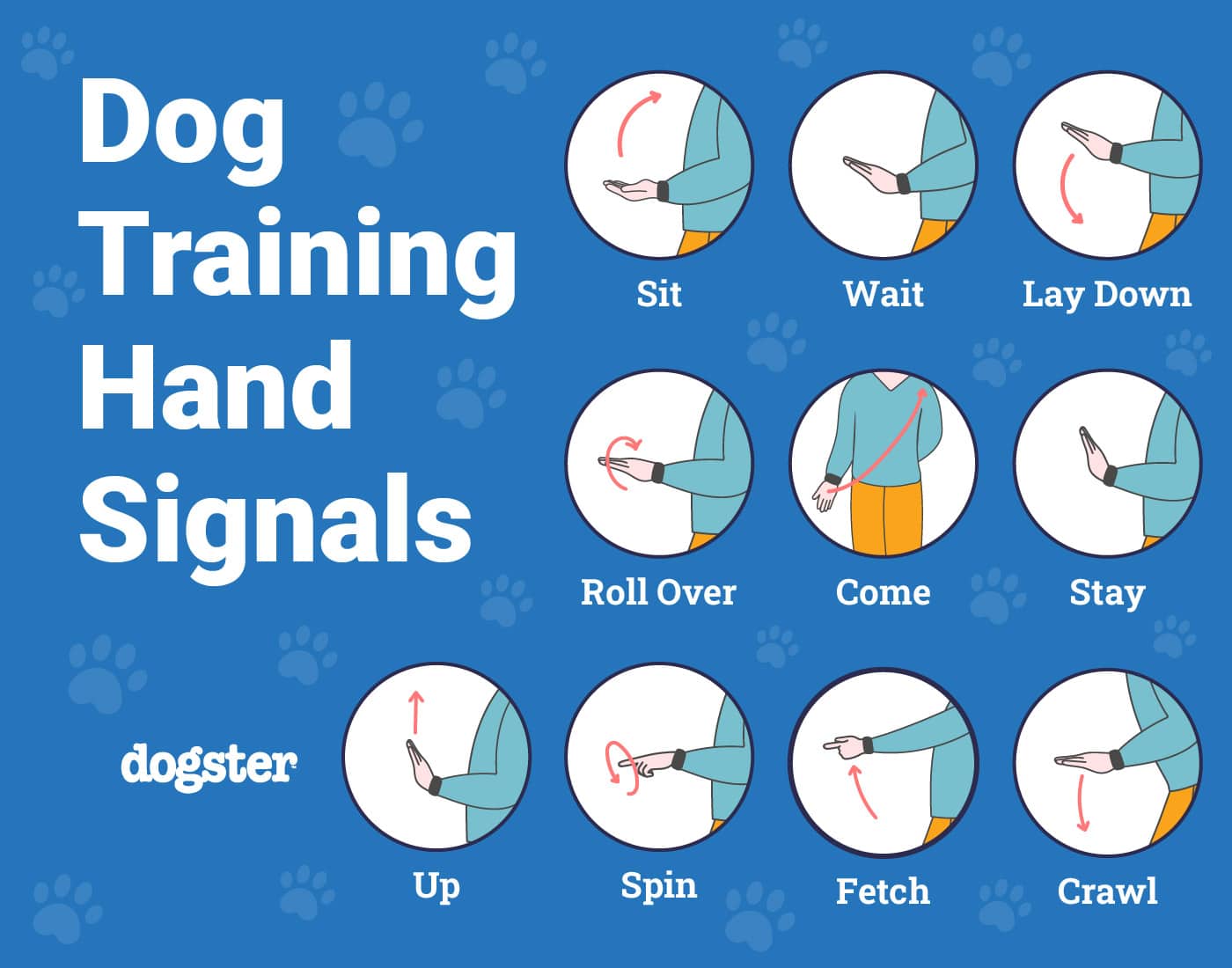
One of the most effective ways to manage separation anxiety is to use a gradual departure process. This involves leaving your dog for short periods of time, then returning and rewarding them for calm behavior. Over time, you can increase the duration of your departures, helping your dog to become more confident and secure in your absence. You can also try to leave a piece of clothing with your scent on it, such as a t-shirt or sock, to provide your dog with a sense of comfort and reassurance.
Creating a Safe and Comfortable Environment
When it comes to training your dog to stay at home, creating a safe and comfortable environment is essential. This means providing your dog with a secure and cozy place to rest, as well as plenty of toys and chews to keep them occupied. You should also take steps to dog-proof your home, removing any hazardous materials or objects that could pose a risk to your dog's safety.
In addition to providing a safe and comfortable environment, it's also important to create a calm and relaxing atmosphere. This could involve playing soothing music, using a diffuser with calming essential oils, or even using a pheromone spray to mimic the calming scent of a mother's pheromones. By creating a peaceful and calming environment, you can help your dog feel more secure and relaxed when you're not around.
Step 2: Increase the Duration
Once your dog is comfortable with short periods of time alone, it's time to start increasing the duration. This could involve leaving your dog for 30 minutes, then an hour, and eventually several hours. Remember to reward your dog with treats and praise for calm behavior, and be sure to provide plenty of toys and chews to keep them occupied. [IMAGE]
As you increase the duration of your departures, be sure to keep an eye on your dog's behavior and adjust your training accordingly. If you notice any signs of anxiety or stress, such as panting, pacing, or destructive behavior, it's essential to take a step back and reassess your training. You may need to slow down the process, provide more exercise and mental stimulation, or seek the help of a professional dog trainer.
Common Challenges and Solutions
Training a dog to stay at home can be a challenging process, and there are several common obstacles that you may face. One of the most common challenges is separation anxiety, which can cause your dog to become destructive, anxious, or even escape. To address this issue, it's essential to provide plenty of exercise and mental stimulation, create a calm and comfortable environment, and use positive reinforcement techniques to reward calm behavior.
Another common challenge is boredom and lack of stimulation. If your dog is not provided with enough toys, chews, and mental stimulation, they may become bored and restless, leading to destructive behavior. To address this issue, be sure to provide plenty of engaging activities, such as puzzle toys, interactive games, and scent work. You can also try rotating your dog's toys and chews regularly to keep them interesting and exciting.
Seeking Professional Help
If you're having trouble training your dog to stay at home, or if you're dealing with a specific behavioral issue such as separation anxiety, it may be helpful to seek the advice of a professional dog trainer. A professional trainer can provide you with personalized guidance and support, helping you to address any challenges and develop a training plan that's tailored to your dog's unique needs and personality. [IMAGE]
When seeking professional help, be sure to look for a trainer who is experienced and qualified, with a proven track record of success. You should also ask plenty of questions, such as what methods they use, what kind of support they offer, and what kind of results you can expect. By seeking the help of a professional trainer, you can get the guidance and support you need to help your dog become a happy, well-behaved, and well-adjusted member of your family.
Conclusion
Training a dog to stay at home is a process that requires patience, consistency, and positive reinforcement. By starting small, increasing the duration, and providing plenty of exercise and mental stimulation, you can help your dog become confident and secure when you're not around. Remember to address any common challenges and obstacles, such as separation anxiety and boredom, and don't hesitate to seek the help of a professional trainer if you need it. With the right approach and support, you can help your dog become a happy and well-behaved member of your family, and enjoy a stronger, more loving relationship with your furry friend.