
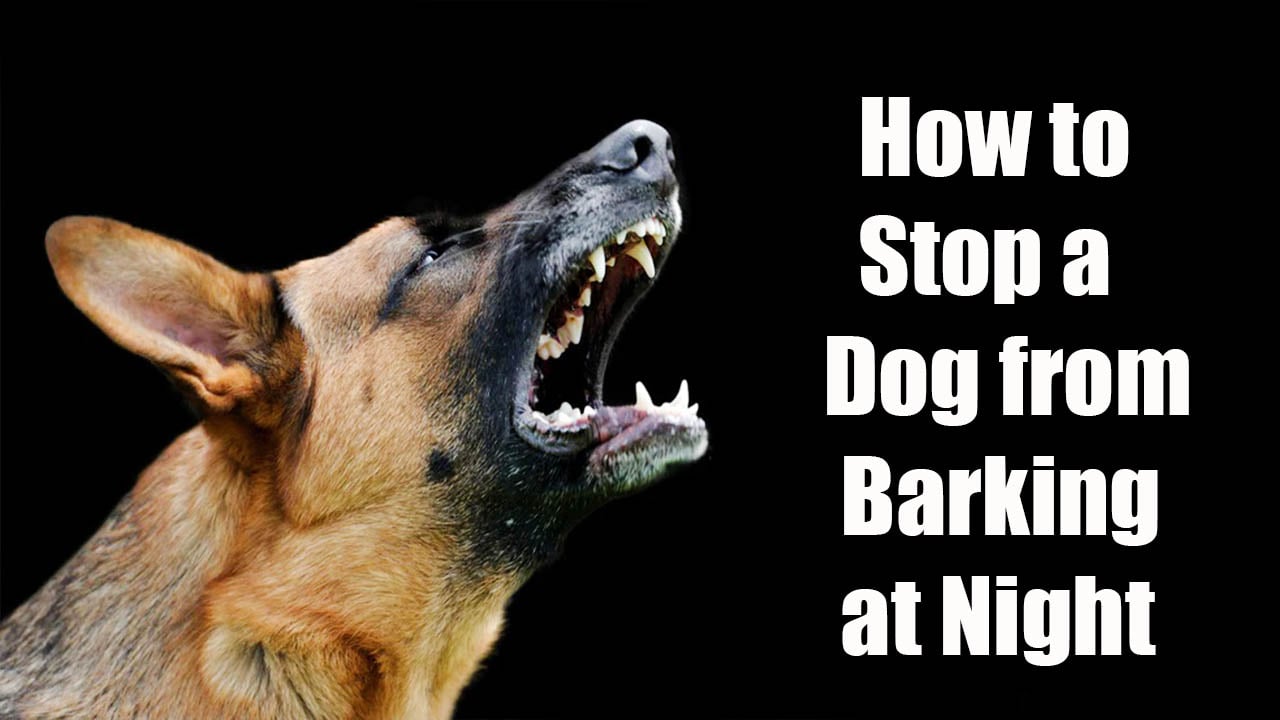
Are you tired of waking up in the middle of the night to the sound of your dog barking? Do you feel like you've tried everything to get your furry friend to stop barking, but nothing seems to work? You're not alone. Many dog owners struggle with their dogs barking at night, and it can be a real challenge to get a good night's sleep when your dog is barking nonstop. In this article, we'll explore the reasons why dogs bark at night and provide you with some tips and tricks to help your dog stop barking and get a good night's sleep.
Why Do Dogs Bark at Night?
Dogs bark for a variety of reasons, including boredom, anxiety, and alerting you to potential threats. At night, dogs may bark due to a range of factors, such as hearing strange noises, seeing movement outside, or feeling lonely or separated from their owners. Some dogs may also bark at night due to medical issues, such as pain or discomfort, or due to cognitive decline. It's essential to understand the underlying reason for your dog's barking to address the issue effectively.

Common Reasons for Nighttime Barking
Some common reasons for nighttime barking include:
- Noisy environments: Dogs may bark in response to loud noises, such as traffic, sirens, or other animals.
- Separation anxiety: Dogs may bark when they're separated from their owners, especially if they're left alone at night.
- Medical issues: Dogs may bark due to pain, discomfort, or other medical issues, such as arthritis or dental problems.
- Boredom: Dogs may bark due to lack of stimulation or exercise during the day.
- Training issues: Dogs may bark due to lack of training or inconsistent training methods.
Identifying the Underlying Cause
To stop your dog's nighttime barking, it's crucial to identify the underlying cause. Start by observing your dog's behavior and environment. Ask yourself:
- Is my dog barking in response to a specific noise or stimulus?
- Is my dog experiencing separation anxiety or boredom?
- Is my dog in pain or discomfort?
- Is my dog getting enough exercise and mental stimulation during the day?
By understanding the underlying cause, you can develop a plan to address the issue and help your dog stop barking at night.

Once you've identified the underlying cause, you can start implementing strategies to address the issue. For example, if your dog is barking due to separation anxiety, you can try providing your dog with a familiar object, such as a blanket or toy, to provide comfort when you're not home. You can also try crate training or providing your dog with a safe space to relax. If your dog is barking due to boredom, you can try providing your dog with more exercise and mental stimulation during the day, such as longer walks or playtime.
Training Your Dog to Stop Barking at Night
Training your dog to stop barking at night requires patience, consistency, and positive reinforcement. Here are some tips to help you train your dog:
- Establish a bedtime routine: Develop a calming pre-sleep routine, such as a relaxing walk or playtime, to signal to your dog that it's time to sleep.
- Provide a comfortable environment: Ensure your dog has a comfortable place to sleep, such as a cozy bed or crate, and a quiet environment.
- Use positive reinforcement: Reward your dog for calm behavior, such as sitting or lying down quietly, with treats and praise.
- Desensitize your dog to noise: If your dog is barking in response to noise, try desensitizing your dog to the noise by playing it at a low volume and rewarding your dog for remaining calm.

Using Calming Aids
In addition to training, there are several calming aids you can use to help your dog relax and stop barking at night. These include:
- Pheromone diffusers: These mimic the calming scent that mother dogs produce to calm their puppies.
- Calming music: Soothing music can help calm your dog and reduce barking.
- Calming treats: Treats containing calming ingredients, such as L-theanine or melatonin, can help reduce anxiety and barking.
- Anti-barking devices: Devices that emit a high-pitched sound undetectable to humans can help deter barking.
Managing Medical Issues
If your dog's nighttime barking is due to a medical issue, it's essential to work with your veterinarian to address the underlying condition. Your veterinarian can help you develop a plan to manage your dog's pain or discomfort, and recommend any necessary medication or treatment. In some cases, your veterinarian may recommend a behavior modification plan to help your dog cope with anxiety or other behavioral issues.
In conclusion, stopping your dog's nighttime barking requires patience, understanding, and a comprehensive approach. By identifying the underlying cause, implementing training strategies, and using calming aids, you can help your dog stop barking at night and get a good night's sleep. Remember, every dog is different, so it may take some trial and error to find the right approach for your furry friend. With persistence and the right techniques, you can help your dog overcome nighttime barking and enjoy a peaceful night's sleep.
It's also important to remember that consistency is key when training your dog. Make sure all family members are on the same page and are using the same training methods to avoid confusing your dog. With time and effort, you can help your dog learn to stop barking at night and enjoy a more restful and peaceful sleep. If you're struggling to address your dog's nighttime barking, don't hesitate to consult with a professional dog trainer or behaviorist for personalized guidance and support.