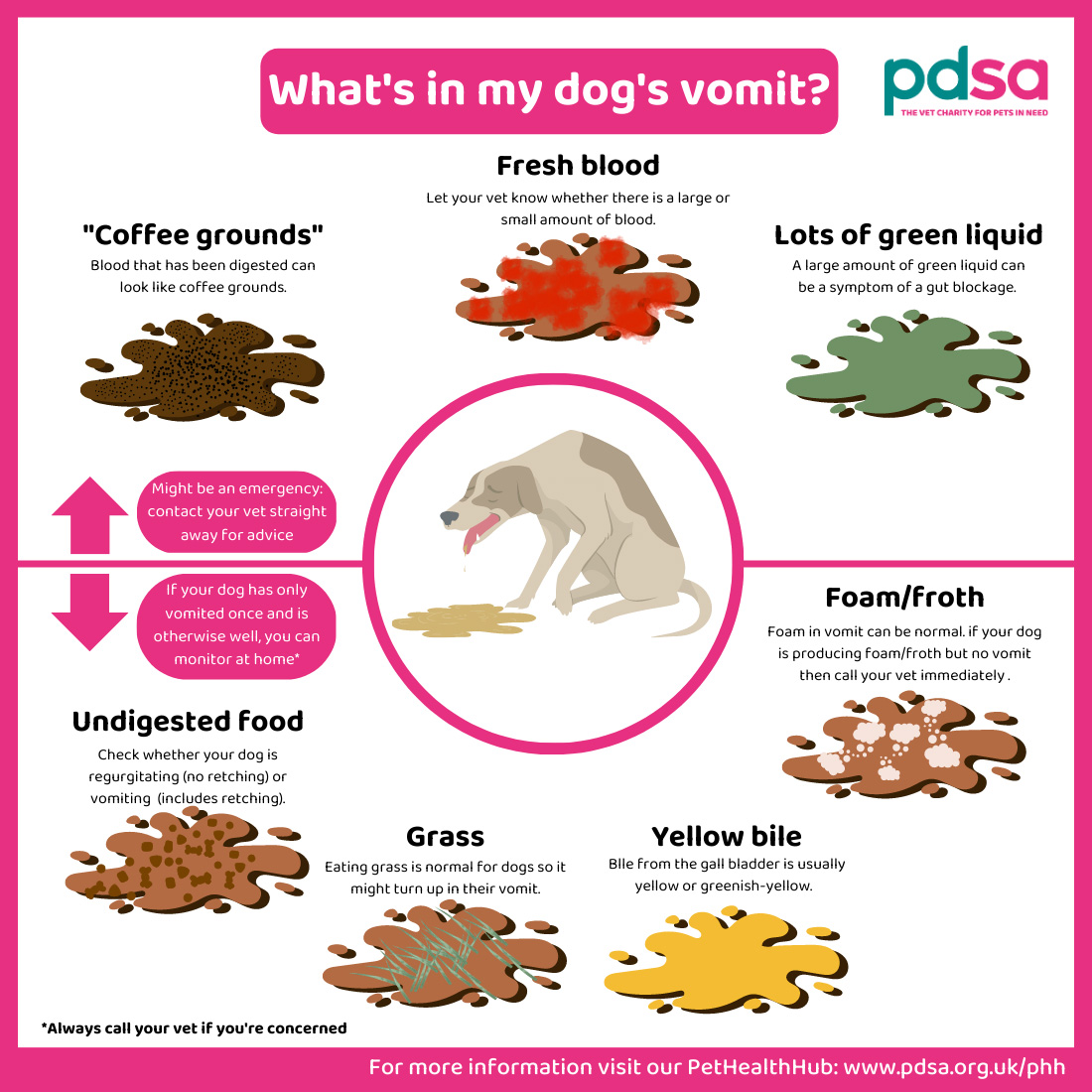
As a dog owner, there's nothing more worrying than seeing your furry friend vomit. And when that vomit is white foam, it can be particularly alarming. If you're reading this, chances are you're wondering why your dog is vomiting white foam and what you can do to help them. In this article, we'll delve into the possible causes of white foam vomiting in dogs, the symptoms to look out for, and the steps you can take to get your dog back to full health.
What is White Foam Vomiting in Dogs?
White foam vomiting, also known as gastric reflux or gastroesophageal reflux, is a condition where a dog vomits a white, foamy liquid. This liquid is usually a mixture of stomach acid, mucus, and food particles. The foam is created when the stomach acid mixes with air and the mucus in the stomach, resulting in a thick, white liquid. While it may look alarming, white foam vomiting is a relatively common condition in dogs, and in most cases, it's not a cause for concern.
However, it's essential to note that white foam vomiting can be a symptom of an underlying condition that needs to be addressed. In some cases, it can be a sign of a more serious health issue, such as gastrointestinal problems, food allergies, or even a life-threatening condition like bloat. So, if your dog is vomiting white foam, it's crucial to monitor their behavior and health closely and seek veterinary attention if the vomiting persists or is accompanied by other symptoms.
Possible Causes of White Foam Vomiting in Dogs
There are several possible causes of white foam vomiting in dogs. Some of the most common causes include:
Overeating or eating too quickly: Dogs that gobble their food or eat too much at once can experience gastric reflux, leading to white foam vomiting.

Foods that are high in fat or oil: Foods that are high in fat or oil can be difficult for dogs to digest, leading to stomach upset and white foam vomiting.
Food allergies or sensitivities: Some dogs may have food allergies or sensitivities that can cause stomach upset and white foam vomiting.
Gastrointestinal problems: Conditions such as gastroenteritis, pancreatitis, or inflammatory bowel disease can cause white foam vomiting in dogs.
Anxiety or stress: Dogs can experience anxiety or stress, which can lead to stomach upset and white foam vomiting.
Other Possible Causes
In addition to the causes mentioned above, there are several other possible causes of white foam vomiting in dogs. These include:
Infections: Bacterial, viral, or parasitic infections can cause stomach upset and white foam vomiting in dogs.
Medications: Certain medications, such as antibiotics or anti-inflammatory medications, can cause stomach upset and white foam vomiting in dogs.
Toxins: Exposure to toxins, such as pesticides or heavy metals, can cause stomach upset and white foam vomiting in dogs.
Age: Puppies and senior dogs are more prone to white foam vomiting due to their sensitive stomachs and age-related health issues.
Breed: Some breeds, such as Bulldogs and Pugs, are more prone to white foam vomiting due to their brachycephalic (flat-faced) skull structure, which can lead to respiratory problems and stomach upset.

Symptoms to Look Out For
If your dog is vomiting white foam, it's essential to monitor their behavior and health closely. Some symptoms to look out for include:
Vomiting: The most obvious symptom is vomiting, which can range from a small amount of white foam to a large amount of liquid.
Loss of appetite: Dogs that are vomiting white foam may lose their appetite or show a decrease in interest in food.
Weight loss: If the vomiting persists, dogs may experience weight loss due to a decrease in appetite or malabsorption of nutrients.
Diarrhea or constipation: Some dogs may experience diarrhea or constipation, which can be accompanied by vomiting white foam.
Abdominal pain: Dogs may show signs of abdominal pain, such as whining, panting, or restlessness.
Bloody stools: In some cases, dogs may have bloody stools or vomit, which can be a sign of a more serious condition.

What to Do If Your Dog is Vomiting White Foam
If your dog is vomiting white foam, it's essential to take action to help them feel better. Here are some steps you can take:
Withhold food: If your dog is vomiting white foam, it's best to withhold food for 12-24 hours to give their stomach a chance to rest.
Provide plenty of water: Make sure your dog has access to plenty of fresh water to prevent dehydration.
Monitor their behavior: Keep a close eye on your dog's behavior and watch for any signs of distress or discomfort.
Seek veterinary attention: If the vomiting persists or is accompanied by other symptoms, such as diarrhea, constipation, or abdominal pain, seek veterinary attention.
Follow veterinary advice: If your veterinarian diagnoses an underlying condition, follow their advice and treatment plan to help your dog recover.

Preventing White Foam Vomiting in Dogs
While it's not always possible to prevent white foam vomiting in dogs, there are some steps you can take to reduce the risk:
Feed a balanced diet: Feed your dog a high-quality, balanced diet that is easy to digest.
Avoid overfeeding: Avoid overfeeding your dog, as this can lead to gastric reflux and white foam vomiting.
Feed smaller, more frequent meals: Feeding smaller, more frequent meals can help reduce the risk of gastric reflux and white foam vomiting.
Avoid foods that are high in fat or oil: Avoid feeding your dog foods that are high in fat or oil, as these can be difficult to digest.
Provide plenty of exercise: Regular exercise can help reduce stress and anxiety, which can contribute to white foam vomiting.
Monitor your dog's health: Keep a close eye on your dog's health and seek veterinary attention if you notice any signs of illness or discomfort.
In conclusion, white foam vomiting in dogs can be a concerning symptom, but in most cases, it's not a cause for concern. By understanding the possible causes, monitoring your dog's behavior and health, and seeking veterinary attention if necessary, you can help your dog feel better and prevent future episodes of white foam vomiting. Remember, if you're ever in doubt, it's always best to err on the side of caution and seek veterinary advice to ensure your dog receives the best possible care.