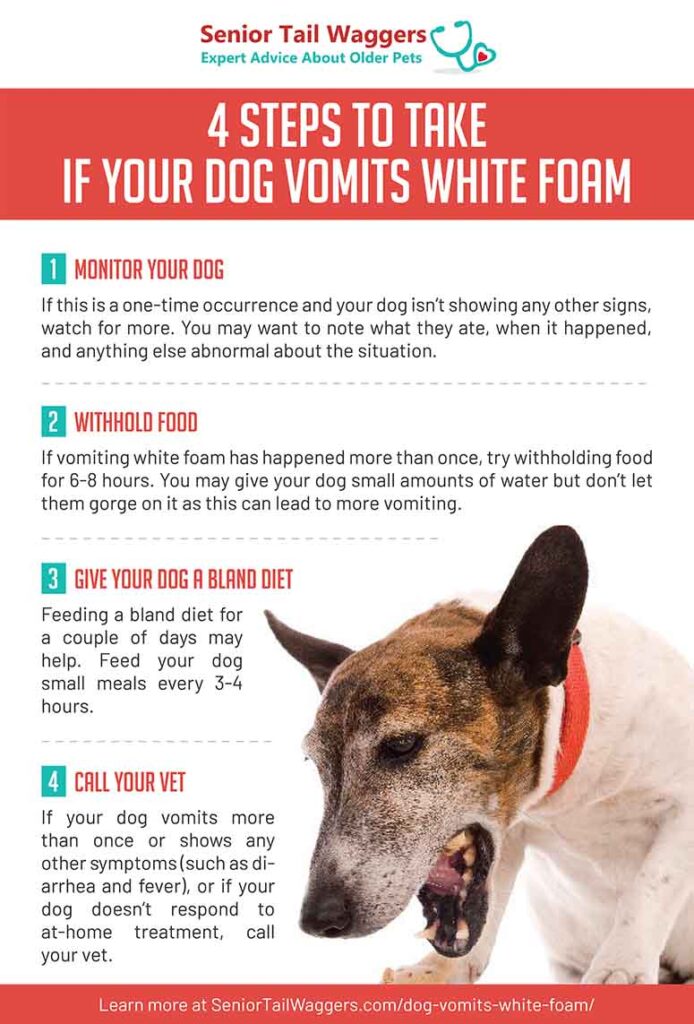
As a dog owner, there's nothing more concerning than seeing your furry friend vomit. And when that vomit is yellow foam, it can be especially alarming. If you're wondering why your dog is vomiting yellow foam, you're not alone. This is a common issue that many dog owners face, and it's essential to understand the possible causes to provide the best care for your pet. In this article, we'll delve into the reasons behind your dog's yellow foam vomiting and what you can do to help them feel better.
What is Yellow Foam Vomit in Dogs?
Yellow foam vomit in dogs is a type of regurgitation that occurs when your dog's stomach is empty, and they're unable to bring up any food. Instead, they vomit a foamy, yellow liquid that's often accompanied by a sour smell. This type of vomit can be a sign of an underlying issue, and it's crucial to identify the cause to provide the right treatment.

Possible Causes of Yellow Foam Vomit in Dogs
There are several reasons why your dog may be vomiting yellow foam. Some of the most common causes include:
- Eating something they shouldn't have, such as trash or toxic substances
- Food allergies or sensitivities
- Inflammatory bowel disease
- Gastroenteritis, which is an inflammation of the stomach and intestines
- Pancreatitis, which is an inflammation of the pancreas
- Kennel cough, which is a respiratory infection
- Anxiety or stress
It's essential to note that some of these causes can be serious and require immediate veterinary attention. If your dog is vomiting yellow foam, it's always best to consult with your vet to rule out any underlying conditions.
Other Symptoms to Look Out For
In addition to vomiting yellow foam, your dog may exhibit other symptoms that can help you identify the cause. These symptoms can include:
- Diarrhea or bloody stools
- Loss of appetite
- Weight loss
- Lethargy
- Abdominal pain or discomfort
- Whining or whimpering
- Restlessness or pacing
If you notice any of these symptoms, it's crucial to seek veterinary care as soon as possible. Your vet can perform a physical examination, take a complete medical history, and run diagnostic tests to determine the underlying cause of your dog's symptoms.
/dog-throwing-up-clear-liquid-5089240-V2-1a919ff121c742f29926733961c5554f.png)
When you take your dog to the vet, they may ask you a series of questions to help identify the cause of the vomiting. These questions can include:
- What's your dog's diet like?
- Have you introduced any new foods or treats recently?
- Have you noticed any changes in your dog's behavior or appetite?
- Has your dog been exposed to any toxic substances or infectious diseases?
- What's your dog's vaccination history like?
Answering these questions honestly and thoroughly can help your vet get to the bottom of your dog's yellow foam vomiting and provide the right treatment.
Treatment Options for Yellow Foam Vomit in Dogs
The treatment for yellow foam vomit in dogs depends on the underlying cause. If your vet determines that your dog's vomiting is caused by a food allergy or sensitivity, they may recommend a dietary change. This can include switching to a hypoallergenic diet or adding supplements to your dog's food. In some cases, your vet may prescribe medication to help manage your dog's symptoms and reduce inflammation.

In addition to veterinary care, there are some things you can do at home to help your dog feel better. These can include:
- Withholding food for a short period to give your dog's stomach a break
- Offering small, frequent meals to reduce vomiting
- Providing plenty of fresh water to stay hydrated
- Avoiding rich or fatty foods that can exacerbate vomiting
- Creating a calm and comfortable environment to reduce stress and anxiety
It's essential to remember that these home remedies should not replace veterinary care. If your dog is vomiting yellow foam, it's always best to consult with your vet to determine the underlying cause and get the right treatment.
Preventing Yellow Foam Vomit in Dogs
While it's not always possible to prevent yellow foam vomiting in dogs, there are some steps you can take to reduce the risk. These can include:
- Feeding a high-quality, balanced diet that meets your dog's nutritional needs
- Avoiding table scraps and human food
- Keeping toxic substances and trash out of reach
- Ensuring your dog is up-to-date on all vaccinations and preventatives
- Providing regular exercise and mental stimulation to reduce stress and anxiety
By taking these steps, you can help keep your dog healthy and reduce the risk of yellow foam vomiting.
Conclusion
Yellow foam vomiting in dogs can be a concerning and frustrating issue, but it's essential to remember that it's often a sign of an underlying condition. By understanding the possible causes and seeking veterinary care, you can help your dog feel better and get back to their normal self. Remember to always consult with your vet if your dog is vomiting yellow foam, and don't hesitate to reach out if you have any questions or concerns. With the right care and attention, your dog can recover from yellow foam vomiting and live a happy, healthy life.