
As a dog owner, there's nothing more worrying than seeing your furry friend vomit after eating. It's a common issue that can be caused by a variety of factors, and it's essential to understand the reasons behind it to provide the best care for your dog. In this article, we'll delve into the possible causes of vomiting in dogs after eating, and what you can do to help your dog feel better.
Why Do Dogs Vomit After Eating?
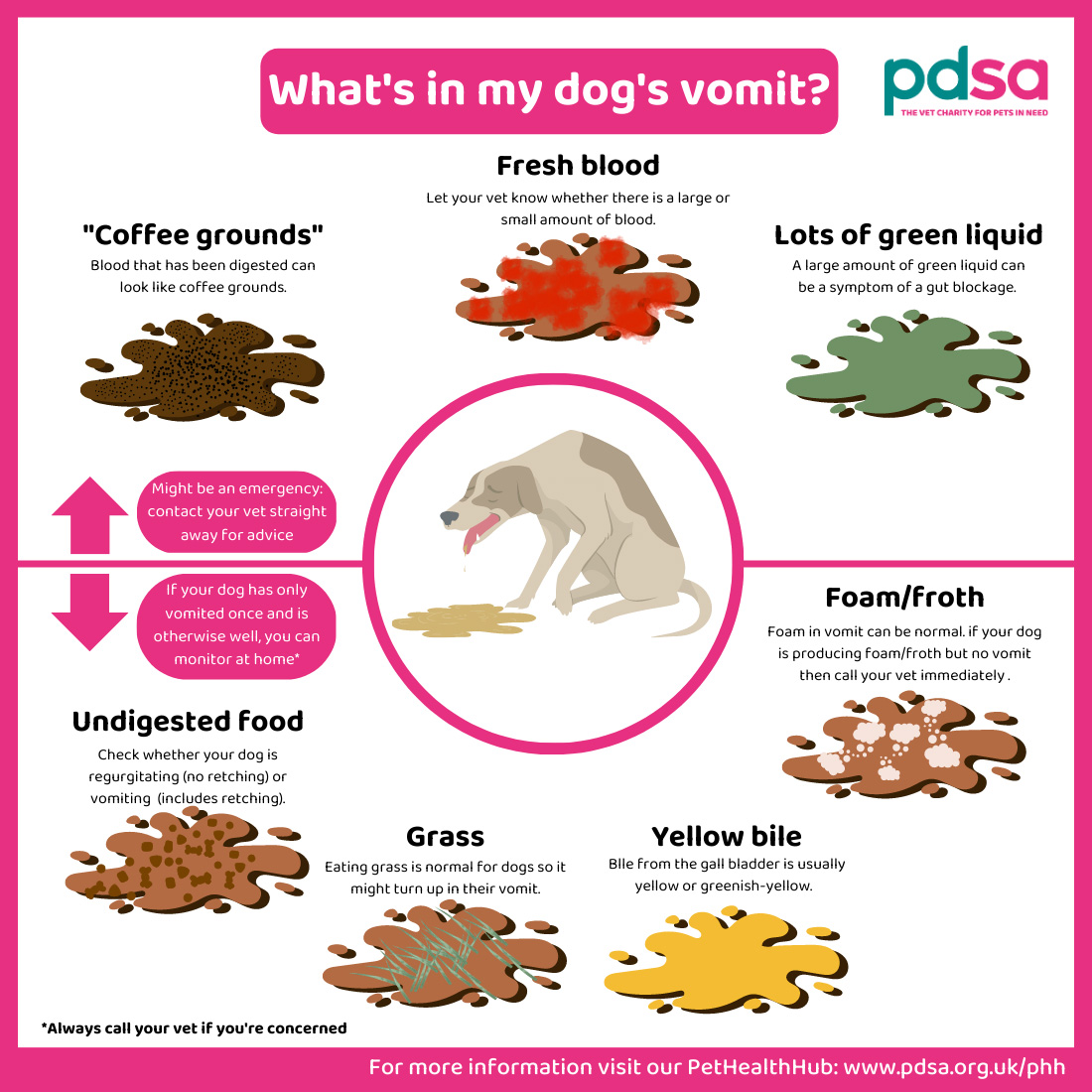
Dogs vomit for a range of reasons, and it's not always related to food. However, when vomiting occurs after eating, it's often a sign that something is amiss with their digestive system. The most common causes of vomiting in dogs after eating include food allergies or sensitivities, eating too quickly or gobbling food, swallowing air, or eating something that doesn't agree with them. In some cases, vomiting can be a sign of an underlying health issue, such as gastroenteritis, pancreatitis, or inflammatory bowel disease.
It's crucial to monitor your dog's behavior and watch for any changes in their appetite, stool quality, or overall health. If your dog is vomiting frequently or shows signs of distress, it's essential to consult with your veterinarian to rule out any underlying health issues.
 Why Is My Dog Vomiting After Eating Why Do Dogs Vomit After Eating" loading="lazy" style="max-width:700px;width:100%;height:auto;border-radius:8px;">
Food Allergies or Sensitivities
Food allergies or sensitivities are common causes of vomiting in dogs. If your dog is allergic or sensitive to a particular ingredient in their food, it can cause a range of symptoms, including vomiting, diarrhea, and skin issues. The most common food allergens in dogs are beef, dairy, and wheat. If you suspect that your dog has a food allergy or sensitivity, it's best to work with your veterinarian to identify the culprit and switch to a hypoallergenic diet.
In some cases, dogs may develop an intolerance to certain ingredients, such as fillers or by-products, which can cause vomiting. It's essential to choose a high-quality dog food that is made with named protein sources, such as chicken or salmon, and whole grains, such as brown rice or oats.

Other Possible Causes
In addition to food allergies or sensitivities, there are several other possible causes of vomiting in dogs after eating. These include eating too quickly or gobbling food, which can lead to swallowing air and cause vomiting. Some dogs may also eat something that doesn't agree with them, such as table scraps or trash, which can cause vomiting. In some cases, vomiting can be a sign of an underlying health issue, such as gastroenteritis, pancreatitis, or inflammatory bowel disease.
It's also possible that your dog may have eaten something toxic, such as chocolate, grapes, or onions, which can cause vomiting and other symptoms. If you suspect that your dog has ingested something toxic, it's essential to seek veterinary attention immediately.

What to Do If Your Dog Is Vomiting After Eating
If your dog is vomiting after eating, it's essential to take action to help them feel better. The first step is to withhold food for 12-24 hours to give their digestive system a break. You can offer small amounts of water or an electrolyte-rich drink, such as Pedialyte, to help replace lost fluids. If your dog is vomiting frequently or shows signs of distress, it's best to consult with your veterinarian for guidance.
In some cases, your veterinarian may recommend a bland diet, such as boiled chicken and rice, to help soothe your dog's digestive system. It's essential to follow their advice and not to give your dog any treats or table scraps until they are feeling better.

Preventing Vomiting in Dogs
While it's not always possible to prevent vomiting in dogs, there are several steps you can take to reduce the risk. The first step is to choose a high-quality dog food that is made with named protein sources and whole grains. It's also essential to feed your dog at a moderate pace, rather than letting them gobble their food, to reduce the risk of swallowing air.
In addition, it's crucial to keep an eye on your dog's behavior and watch for any changes in their appetite, stool quality, or overall health. If you notice any changes, it's best to consult with your veterinarian to rule out any underlying health issues. By taking these steps, you can help reduce the risk of vomiting in your dog and keep them happy and healthy.
Conclusion
Vomiting in dogs after eating is a common issue that can be caused by a variety of factors. By understanding the possible causes of vomiting and taking steps to prevent it, you can help keep your dog happy and healthy. Remember to monitor your dog's behavior, choose a high-quality dog food, and feed them at a moderate pace to reduce the risk of vomiting. If your dog is vomiting frequently or shows signs of distress, it's essential to consult with your veterinarian to rule out any underlying health issues. With the right care and attention, you can help your dog feel better and prevent vomiting in the future.