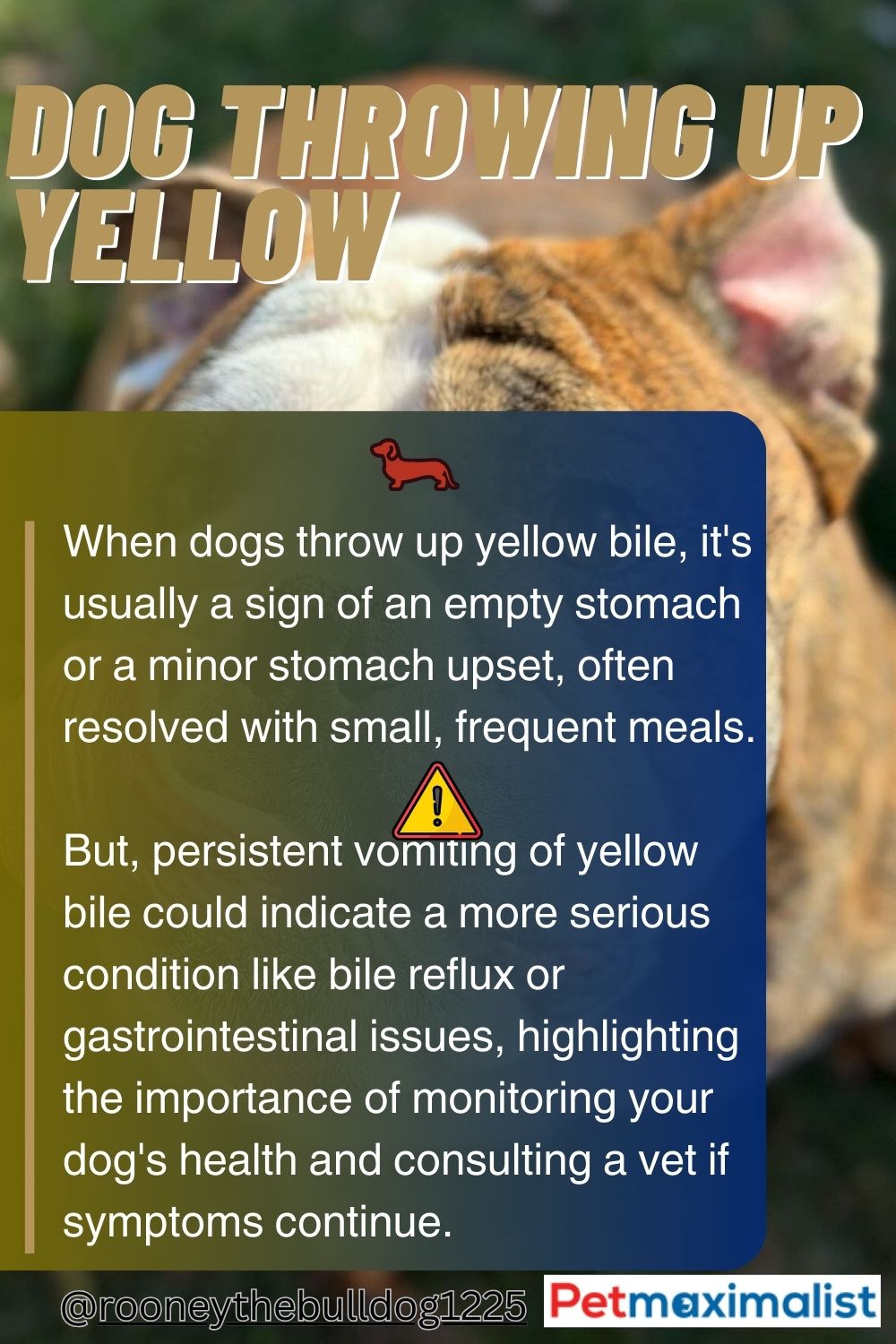
As a dog owner, there's nothing more worrying than seeing your furry friend vomit. It's a natural instinct to panic and wonder if your dog is okay. But how do you know when to worry about dog vomiting? Is it just a minor issue or a sign of something more serious? In this article, we'll explore the ins and outs of dog vomiting, what causes it, and when you should seek veterinary attention.
What Causes Dog Vomiting?
Dog vomiting can be caused by a variety of factors, ranging from mild to severe. Some common causes of dog vomiting include eating something they shouldn't, such as toxic substances or spoiled food, food allergies or sensitivities, and gastrointestinal infections. Other causes can include motion sickness, heatstroke, and even stress or anxiety. In some cases, dog vomiting can be a sign of an underlying health issue, such as kidney disease, liver disease, or inflammatory bowel disease.
It's essential to understand that dog vomiting is a symptom, not a disease in itself. By identifying the underlying cause, you can take steps to address the issue and get your dog back to their normal self.
Types of Vomiting in Dogs
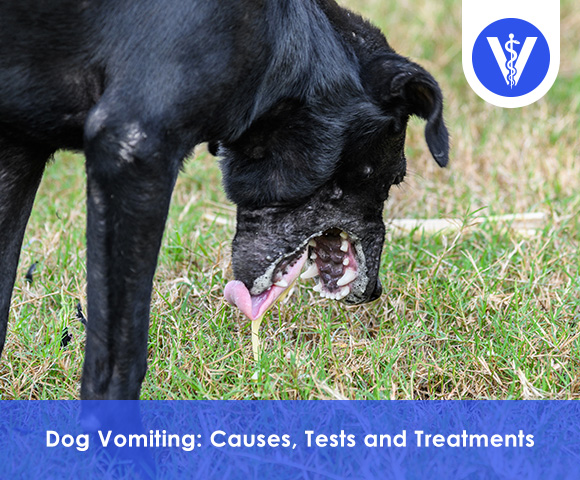
There are different types of vomiting in dogs, and each can provide clues about the underlying cause. For example, if your dog is vomiting bile or yellow foam, it could be a sign of an empty stomach or a gastrointestinal issue. If your dog is vomiting blood, it's a sign of a more severe issue, such as a gastrointestinal ulcer or cancer. If your dog is vomiting frequently or persistently, it could be a sign of a chronic condition, such as gastroesophageal reflux disease (GERD) or inflammatory bowel disease.
Another type of vomiting in dogs is projectile vomiting, which is a forceful and sudden expulsion of food or liquid from the mouth. This type of vomiting can be a sign of a more serious issue, such as a blockage or obstruction in the digestive tract.
When to Worry About Dog Vomiting
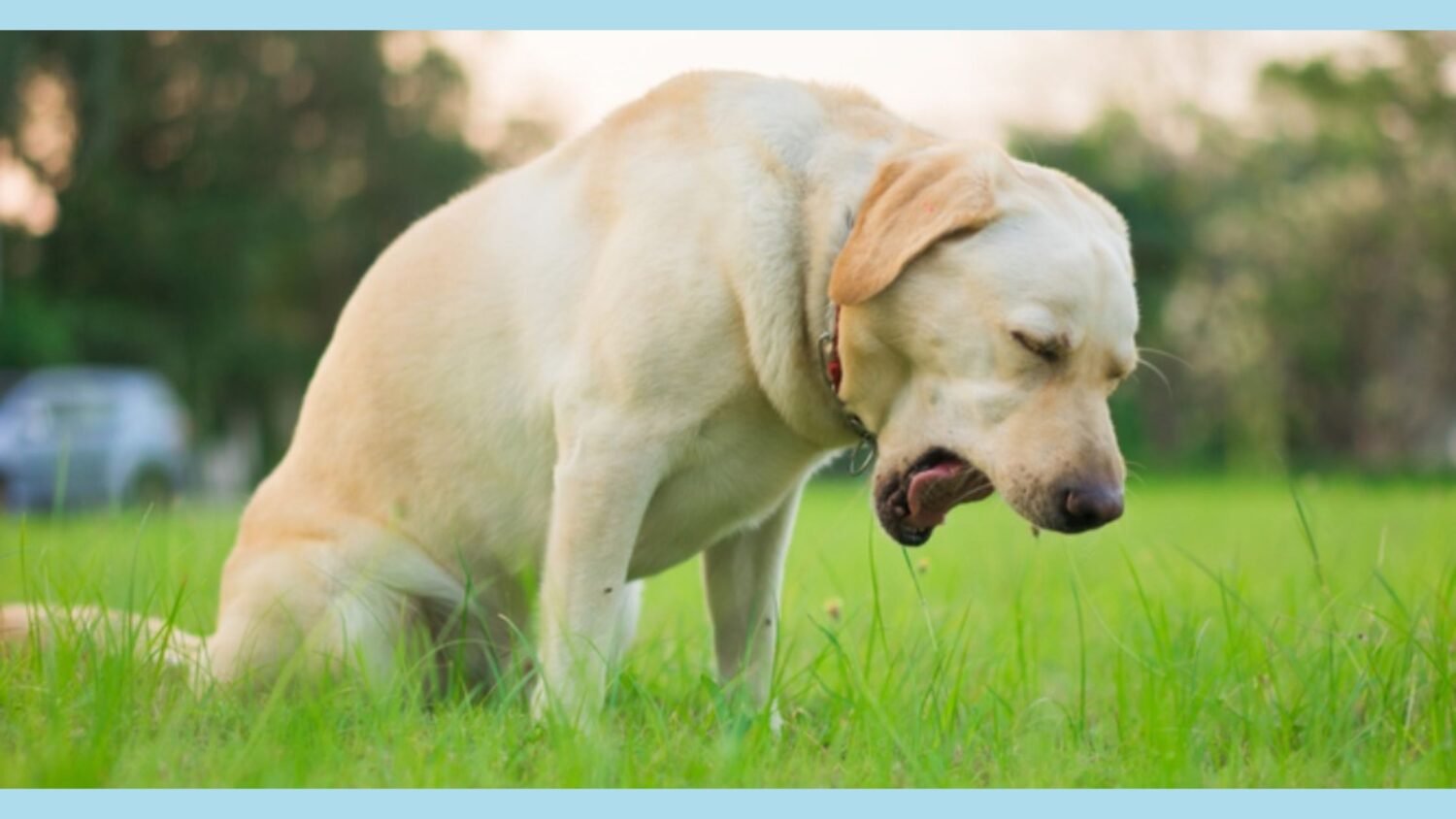
So, when should you worry about dog vomiting? If your dog is vomiting and showing any of the following symptoms, it's essential to seek veterinary attention immediately:
Severe vomiting that lasts for more than 24 hours, vomiting blood or black tarry stools, lack of appetite or water intake, lethargy or depression, abdominal pain or distension, fever above 104°F (40°C), or difficulty breathing. These symptoms can indicate a life-threatening condition that requires prompt veterinary attention.
If your dog is vomiting but otherwise seems fine, you can try to manage the situation at home. Withhold food and water for 12-24 hours to give your dog's digestive system a break. Offer small amounts of bland food, such as boiled chicken or rice, to help firm up their stool. Monitor your dog's condition closely and seek veterinary attention if their symptoms worsen or persist.
Diagnosing the Underlying Cause of Dog Vomiting
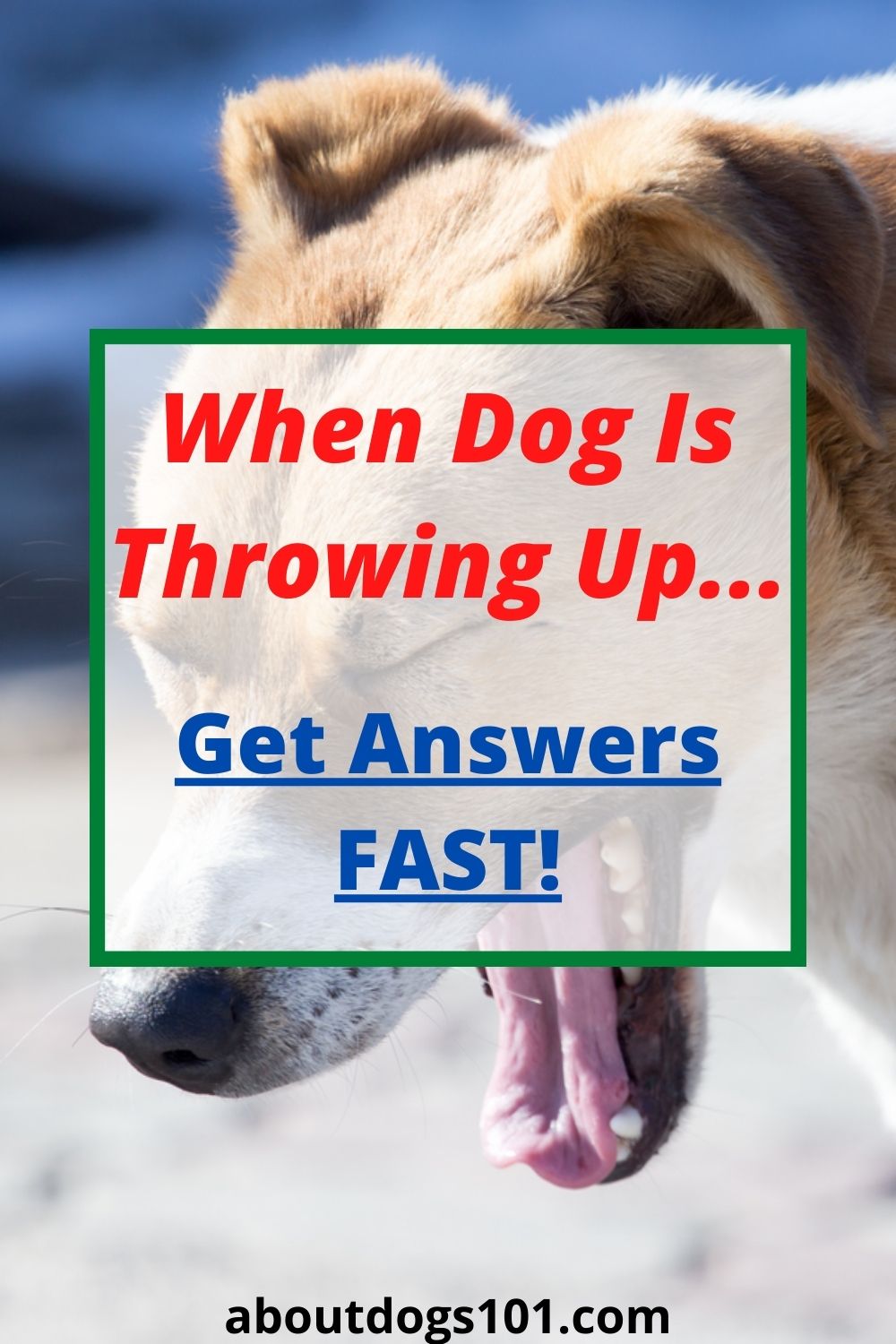
If your dog is vomiting frequently or persistently, your veterinarian will need to perform diagnostic tests to determine the underlying cause. These tests may include complete blood counts, blood chemistry profiles, urinalysis, imaging studies, such as X-rays or ultrasound, and endoscopy or colonoscopy to visualize the digestive tract.
Your veterinarian may also ask you questions about your dog's medical history, diet, and lifestyle to help identify potential causes. Be prepared to provide information about your dog's symptoms, including the frequency and duration of vomiting, the color and consistency of the vomit, and any other symptoms they're experiencing.
Based on the diagnostic test results and your dog's medical history, your veterinarian can develop a treatment plan to address the underlying cause of the vomiting. This may include medication, dietary changes, or surgery, depending on the severity of the condition.

Treatment Options for Dog Vomiting
Treatment for dog vomiting depends on the underlying cause. For example, if your dog has a gastrointestinal infection, your veterinarian may prescribe antibiotics or anti-inflammatory medication to manage the infection and reduce inflammation.
If your dog has a food allergy or sensitivity, your veterinarian may recommend a dietary change to a novel protein source or a hypoallergenic diet. In some cases, your veterinarian may recommend a probiotic or prebiotic supplement to support your dog's digestive health and reduce vomiting.
In severe cases of dog vomiting, hospitalization may be necessary to provide supportive care, such as intravenous fluids and medication to manage vomiting and prevent dehydration. In these cases, your veterinarian will closely monitor your dog's condition and adjust the treatment plan as needed to ensure the best possible outcome.
It's essential to work closely with your veterinarian to develop a treatment plan that addresses the underlying cause of your dog's vomiting. By following their recommendations and providing your dog with the necessary care and support, you can help your dog recover from vomiting and prevent future episodes.
Preventing Dog Vomiting
While it's not always possible to prevent dog vomiting, there are steps you can take to reduce the risk. For example, make sure your dog is up-to-date on their vaccinations and preventatives, such as heartworm medication and flea control, to reduce the risk of gastrointestinal infections.
Feed your dog a high-quality, balanced diet that meets their nutritional needs, and avoid giving them table scraps or toxic substances. Keep your dog's food and water bowls clean, and wash your hands before and after handling their food and water.
Provide your dog with plenty of fresh water and a comfortable place to rest, and avoid exposing them to stressful situations or environments. By taking these steps, you can help reduce the risk of dog vomiting and keep your furry friend happy and healthy.
In conclusion, dog vomiting can be a worrying symptom for dog owners, but by understanding the causes and seeking veterinary attention when necessary, you can help your dog recover and prevent future episodes. Remember to work closely with your veterinarian to develop a treatment plan that addresses the underlying cause of your dog's vomiting, and take steps to prevent dog vomiting by providing your dog with a healthy diet, a safe environment, and plenty of love and care.