
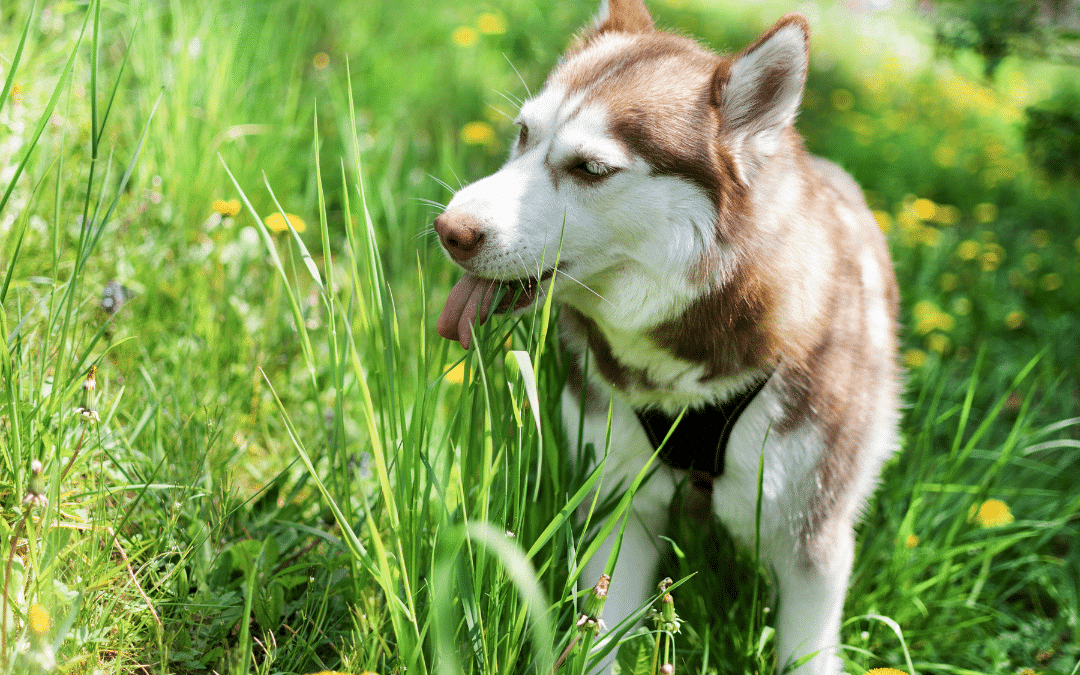
If you're a dog owner, you've probably noticed your furry friend engaging in a rather peculiar behavior - eating grass. It's a common phenomenon that has left many pet owners scratching their heads, wondering why their dogs feel the need to graze on the lawn every day. As we delve into the world of canine behavior, we'll explore the possible reasons behind this intriguing habit and what it might mean for your dog's health.
Introduction to Grass-Eating Dogs
Dogs eating grass is not a new phenomenon, and it's observed in dogs of all ages, breeds, and sizes. While some dogs may only occasionally nibble on a blade or two, others make it a regular part of their daily routine. The behavior is often met with a mix of amusement and concern from dog owners, who may worry that their pet is trying to tell them something or that it's a sign of an underlying health issue. But before we jump to conclusions, let's take a closer look at the possible explanations behind this behavior.

Theories Behind Grass-Eating
One of the most popular theories is that dogs eat grass to soothe their stomachs. Some dogs may suffer from gastrointestinal issues, such as inflammation or irritation, which can cause discomfort and nausea. Eating grass may help to calm their stomachs and provide relief from these symptoms. Another theory suggests that dogs eat grass due to a lack of fiber in their diet. Grass contains fiber, which can help to support healthy digestion and prevent constipation. Dogs may be instinctively seeking out this nutrient to supplement their regular food.
Other theories propose that dogs eat grass due to boredom, anxiety, or stress. Dogs are natural grazers, and in the wild, they would often eat plants and other vegetation as part of their diet. Domesticated dogs may be exhibiting this behavior due to a lack of stimulation or mental enrichment. Some dogs may also eat grass as a way to self-soothe, much like humans might engage in comfort eating or other habits when feeling stressed or anxious.
Instinctual Behavior
It's also possible that dogs eat grass due to instinctual behavior. In the wild, dogs would often eat the stomach contents of their prey, which would include grass and other plant material. This behavior may have been passed down through generations, with dogs continuing to exhibit this behavior even though they no longer need to hunt for food. Additionally, some dogs may be attracted to the texture or smell of grass, which can be appealing to their senses.

Health Implications
While eating grass may seem harmless, there are some potential health implications to consider. Dogs that eat grass regularly may be at risk of ingesting pesticides, herbicides, or other chemicals that are commonly used on lawns. These substances can be toxic to dogs and cause a range of health problems, from mild symptoms like vomiting and diarrhea to more severe conditions like organ damage or even cancer.
In addition to the risks associated with lawn chemicals, dogs that eat grass may also be at risk of ingesting intestinal parasites, such as worms or protozoa. These parasites can cause a range of health problems, including digestive issues, weight loss, and even seizures or other neurological symptoms. Regular veterinary check-ups and preventative measures, such as deworming medication, can help to minimize these risks.

What You Can Do
If you're concerned about your dog's grass-eating habits, there are several steps you can take to address the behavior. First, make sure your dog is receiving a balanced and nutritious diet that includes plenty of fiber and other essential nutrients. You can also try to provide your dog with alternative sources of fiber, such as green beans or sweet potatoes, to see if this reduces their desire to eat grass.
In addition to dietary changes, you can also try to provide your dog with more mental and physical stimulation. Engage your dog in play, provide puzzle toys, and take them on regular walks to help reduce boredom and stress. If your dog continues to eat grass despite these efforts, it's a good idea to consult with your veterinarian to rule out any underlying health issues.
Conclusion
In conclusion, dogs eating grass is a complex behavior that can be influenced by a range of factors, from instinct and nutrition to boredom and stress. While it may seem like a harmless behavior, there are potential health implications to consider, particularly if your dog is ingesting lawn chemicals or intestinal parasites. By understanding the possible reasons behind this behavior and taking steps to address it, you can help to keep your dog healthy and happy.
As a dog owner, it's natural to have questions and concerns about your pet's behavior. By staying informed and taking a proactive approach to your dog's health and well-being, you can help to ensure that they live a long, happy, and healthy life. Whether your dog is a grass-eating enthusiast or not, it's always important to prioritize their health and provide them with the care and attention they deserve.