
As a dog owner, you've probably caught your furry friend munching on grass at some point. It's a common sight, and it can be quite puzzling. Why do dogs eat grass, and is it safe for them to do so? In this article, we'll delve into the world of canine behavior and explore the reasons behind this quirky habit. We'll also examine the potential risks and benefits associated with dogs eating grass, so you can make informed decisions about your pet's health.
Why Do Dogs Eat Grass?
There are several theories about why dogs eat grass, and it's likely that the reasons vary from dog to dog. Some possible explanations include gastrointestinal issues, such as upset stomachs or digestive problems. Dogs may eat grass to help soothe their stomachs or to induce vomiting. Another theory is that dogs are naturally inclined to graze, just like their wild ancestors. In the wild, dogs would often eat small amounts of plants and grasses as part of their natural diet.

Some dogs may also eat grass due to boredom, anxiety, or stress. If your dog is not getting enough physical or mental stimulation, they may turn to eating grass as a way to cope. Additionally, some dogs may simply enjoy the taste or texture of grass. Whatever the reason, it's essential to understand that eating grass is a common behavior in dogs and is not typically a cause for concern. However, it's crucial to monitor your dog's behavior and overall health to ensure that their grass-eating habit is not a symptom of an underlying issue.
Potential Risks of Dogs Eating Grass
While eating grass is generally not harmful to dogs, there are some potential risks to be aware of. One of the most significant concerns is the possibility of pesticide or herbicide exposure. Many lawns and gardens are treated with chemicals to control weeds and pests, which can be toxic to dogs. If your dog ingests these chemicals, they can cause a range of symptoms, from mild stomach upset to severe illness.

Another risk is the potential for intestinal parasites, such as worms or protozoa. These parasites can be present in contaminated soil or feces, and if your dog eats grass that has come into contact with these substances, they can become infected. Additionally, some dogs may experience gastrointestinal upset, such as diarrhea or vomiting, after eating grass. This is usually mild and self-limiting, but it can be uncomfortable for your dog and may require some extra care and attention.
Benefits of Dogs Eating Grass
While there are some potential risks associated with dogs eating grass, there may also be some benefits. For example, eating grass can help support your dog's digestive health. The fiber and other nutrients in grass can help promote healthy gut bacteria and support regular bowel movements. Some dogs may also find that eating grass helps to soothe their stomachs or alleviate symptoms of gastrointestinal upset.
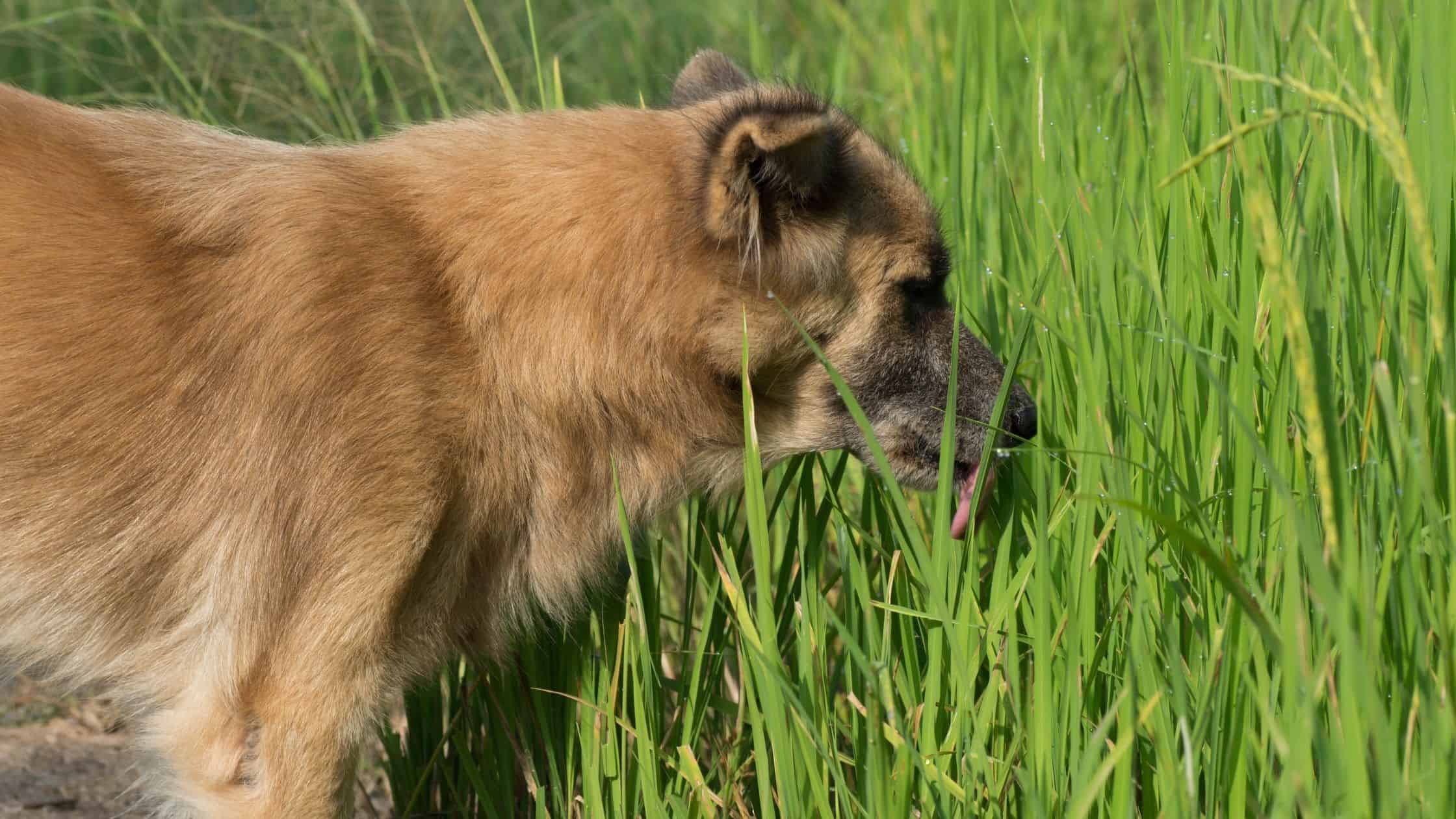
In addition, eating grass can provide mental stimulation and satisfaction for dogs. Many dogs enjoy the act of grazing and may find it calming or relaxing. If your dog is eating grass due to boredom or stress, providing them with alternative forms of stimulation, such as toys or interactive games, can help to redirect their behavior and reduce their grass-eating habit. It's essential to remember that every dog is different, and what works for one dog may not work for another.
It's also worth noting that some types of grass may be more beneficial for dogs than others. For example, wheat grass and oat grass are often considered to be safer and more nutritious options. These types of grass are lower in pesticides and other chemicals and may provide more fiber and nutrients for your dog. However, it's still essential to monitor your dog's behavior and overall health, even if they are eating these types of grass.

What Can You Do If Your Dog Eats Grass?
If you've caught your dog eating grass, there are a few things you can do to ensure their safety and well-being. First, try to determine why your dog is eating grass. Are they experiencing gastrointestinal issues, or are they simply bored or stressed? Once you understand the underlying reason, you can take steps to address it. For example, if your dog is eating grass due to gastrointestinal issues, you may want to consult with your veterinarian about potential treatments or dietary changes.
If your dog is eating grass due to boredom or stress, you can try providing them with alternative forms of stimulation, such as toys or interactive games. You can also try to limit their access to grass, especially if you're concerned about pesticide or herbicide exposure. Consider creating a dog-friendly area in your yard, where your dog can play and relax without accessing potentially contaminated grass.
In addition, it's essential to keep an eye on your dog's overall health and behavior. If you notice any changes or symptoms, such as vomiting, diarrhea, or lethargy, seek veterinary attention immediately. Your veterinarian can help you determine the cause of your dog's symptoms and provide guidance on the best course of treatment. Remember, it's always better to err on the side of caution when it comes to your dog's health and well-being.
In conclusion, while eating grass is a common behavior in dogs, it's essential to understand the potential risks and benefits associated with it. By monitoring your dog's behavior and overall health, you can help ensure their safety and well-being. If you're concerned about your dog's grass-eating habit, consult with your veterinarian for personalized advice and guidance. With a little patience and understanding, you can help your dog thrive and enjoy a happy, healthy life.
