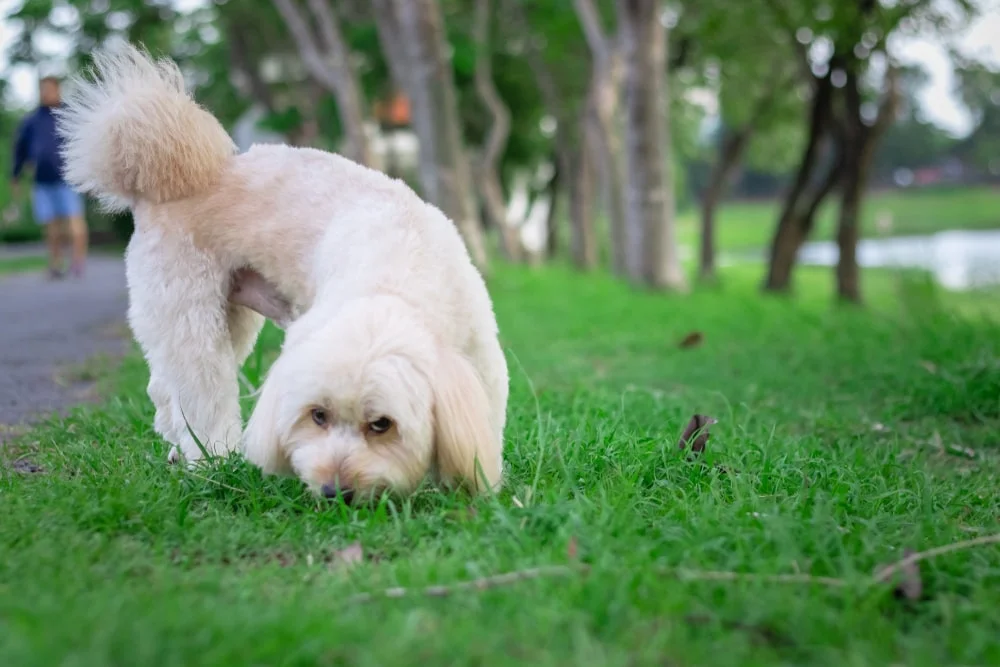
As a dog owner, you've probably caught your furry friend munching on grass at some point. It's a common behavior that can be quite puzzling, especially if your dog is well-fed and seems to be enjoying their regular meals. So, should you stop your dog from eating grass? In this article, we'll delve into the possible reasons behind this behavior and explore whether it's something to be concerned about.
Why Do Dogs Eat Grass?
There are several theories as to why dogs eat grass, and it's likely that the reasons vary from dog to dog. One possibility is that dogs are trying to supplement their diet with fiber or other nutrients that they're not getting from their regular food. Some dogs may also eat grass due to boredom or anxiety, using it as a way to self-soothe or calm themselves. Additionally, some dogs may have a condition called pica, which is characterized by eating non-food items, including grass.

Is Eating Grass Harmful to Dogs?
In most cases, eating grass is not harmful to dogs. However, there are some potential risks to consider. For example, if your dog is eating grass that has been treated with pesticides or other chemicals, they could be ingesting toxic substances. Additionally, if your dog is eating large amounts of grass, they could be at risk for gastrointestinal upset, including vomiting or diarrhea. In rare cases, eating grass can also cause intestinal blockages or other serious health problems.
It's also worth noting that some dogs may be more prone to eating grass due to underlying health issues. For example, dogs with gastrointestinal problems or nutritional deficiencies may be more likely to eat grass in an attempt to self-medicate. If you're concerned about your dog's grass-eating habits, it's a good idea to consult with your veterinarian to rule out any underlying health issues.
Should You Stop Your Dog From Eating Grass?
While it's not necessarily harmful for dogs to eat grass, it's still a good idea to discourage the behavior if possible. One reason for this is that eating grass can be a sign of an underlying issue, such as boredom or anxiety, that needs to be addressed. Additionally, if your dog is eating large amounts of grass, it could be a sign of a nutritional deficiency or other health problem.
So, how can you stop your dog from eating grass? One approach is to provide your dog with plenty of opportunities for exercise and mental stimulation. This can include taking your dog on long walks, playing with them in the yard, and providing them with puzzle toys and other interactive games. You can also try distracting your dog when you catch them eating grass, by offering them a treat or toy instead.
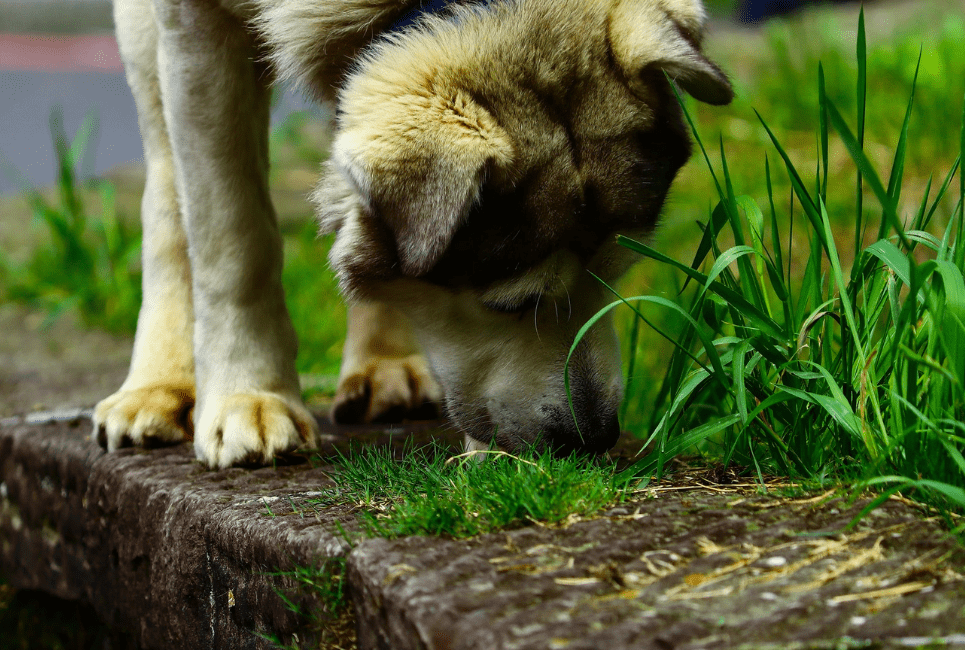
Another approach is to make your yard less appealing to your dog. For example, you can try planting grass that is less palatable to dogs, or using a physical barrier to block access to areas where your dog likes to eat grass. You can also try using a deterrent, such as a spray or granule, to make the grass taste unpleasant to your dog.
What Are the Benefits of Letting Your Dog Eat Grass?
While it's generally recommended to discourage dogs from eating grass, there are some potential benefits to letting them do so. For example, eating grass can provide dogs with additional fiber and nutrients that they may not be getting from their regular diet. Additionally, eating grass can help to support the health of your dog's digestive system, by providing them with beneficial probiotics and other microorganisms.
Some proponents of raw feeding and natural pet care also argue that eating grass is a natural behavior for dogs, and that it can help to support their overall health and well-being. According to this perspective, dogs have evolved to eat a variety of foods, including grass and other plants, and that restricting their access to these foods can be detrimental to their health.

However, it's worth noting that these benefits are still largely theoretical, and that more research is needed to fully understand the effects of eating grass on canine health. Additionally, while eating grass may be a natural behavior for dogs, it's still important to ensure that your dog is getting a balanced and nutritious diet, and that they're not relying on grass as a primary source of nutrition.
How to Make Sure Your Dog is Getting a Balanced Diet
So, how can you ensure that your dog is getting a balanced and nutritious diet? One approach is to feed your dog a high-quality commercial dog food that is formulated to meet their nutritional needs. You can also consider adding fresh fruits and vegetables to your dog's diet, as well as other whole foods that can provide them with additional nutrients and fiber.
It's also a good idea to consult with your veterinarian or a canine nutritionist to determine the best diet for your dog. They can help you to identify your dog's specific nutritional needs, and recommend a diet that is tailored to their individual requirements. Additionally, they can help you to monitor your dog's health and adjust their diet as needed, to ensure that they're getting the nutrients they need to thrive.
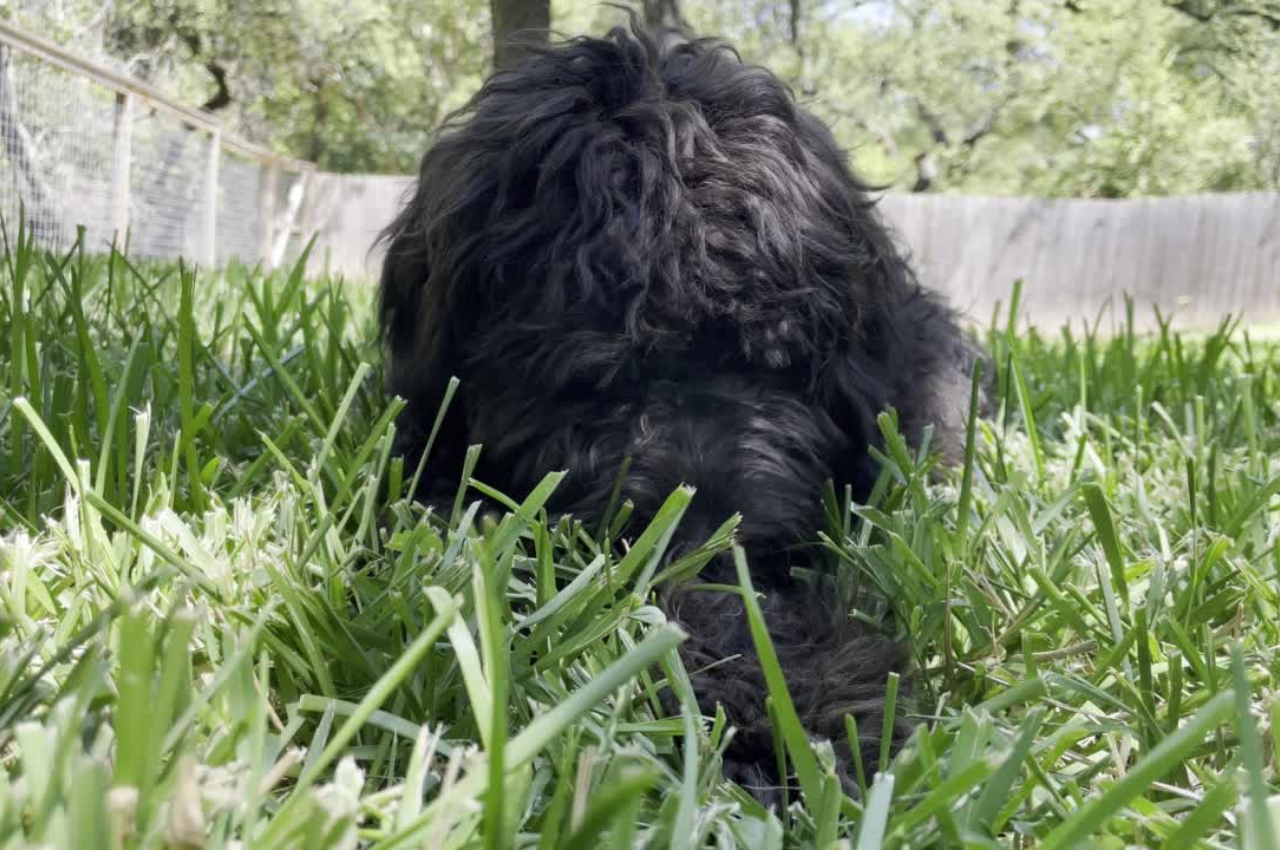
In conclusion, while eating grass is not necessarily harmful to dogs, it's still a good idea to discourage the behavior if possible. By providing your dog with plenty of opportunities for exercise and mental stimulation, making your yard less appealing to them, and using deterrents to make the grass taste unpleasant, you can help to reduce your dog's grass-eating habits. Additionally, by ensuring that your dog is getting a balanced and nutritious diet, you can help to support their overall health and well-being, and reduce the likelihood of them relying on grass as a source of nutrition.
Ultimately, the decision to stop your dog from eating grass is up to you and your veterinarian. If you're concerned about your dog's grass-eating habits, or if you have questions about their diet or health, it's always best to consult with a professional for advice. With the right approach, you can help your dog to thrive and enjoy a long, happy, and healthy life.