
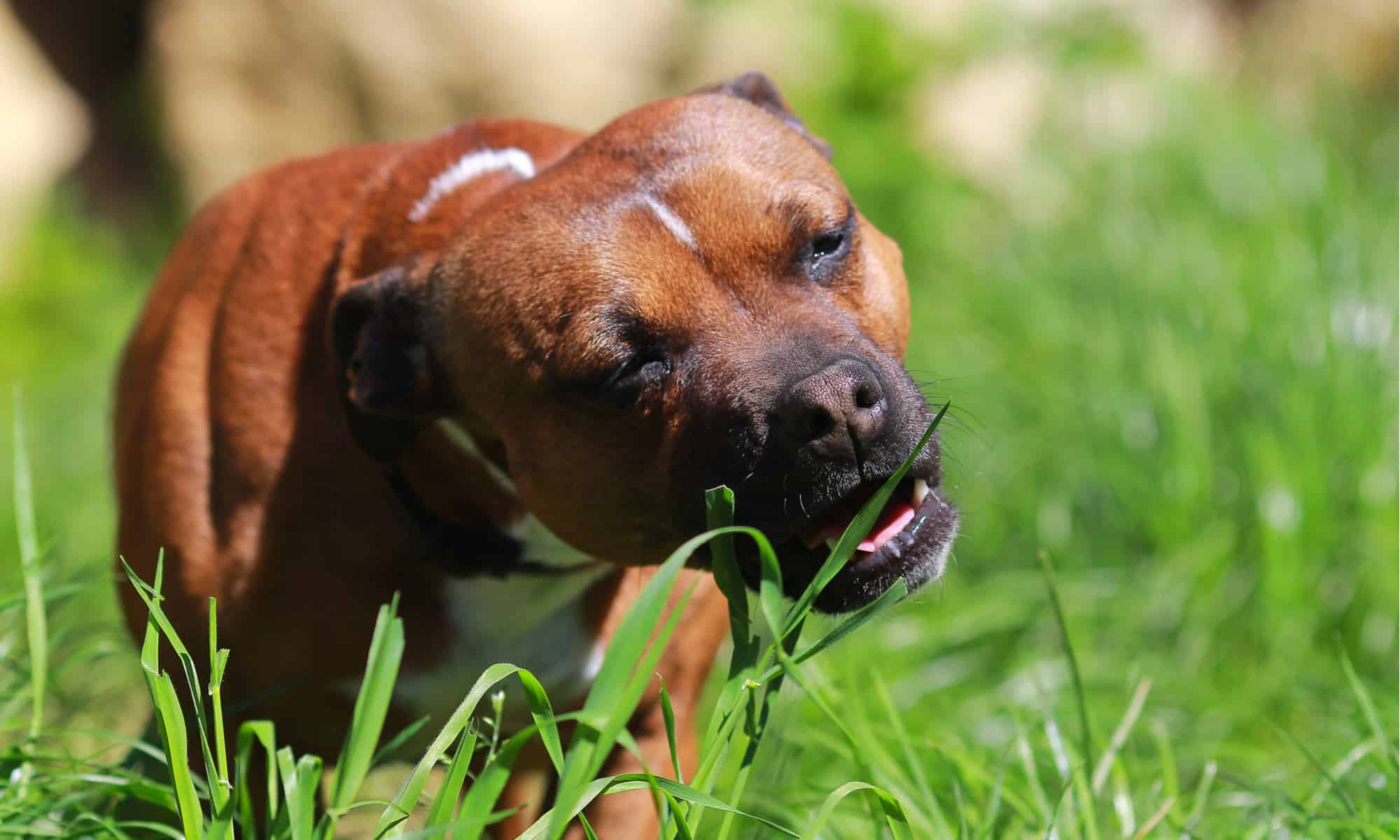
As a dog owner, you've probably witnessed your furry friend doing something that might seem a bit bizarre - eating grass. Yes, you read that right. Dogs eating grass is a common phenomenon that has left many pet owners scratching their heads, wondering what on earth could be driving this behavior. In this article, we'll delve into the world of canine behavior and explore the possible reasons behind this curious habit. So, if you're curious to know what's behind your dog's grass-munching ways, keep reading.
Introduction to Canine Behavior
Before we dive into the nitty-gritty of why dogs eat grass, let's take a step back and look at canine behavior in general. Dogs are natural predators, and their behavior is often driven by instinct. In the wild, dogs would typically eat a variety of foods including meat, fruits, and vegetation. However, domesticated dogs have a different diet, and their eating habits are largely influenced by their human caregivers. Despite this, dogs still exhibit some of their natural behaviors, including eating grass.

Theories Behind Grass Eating
So, why do dogs eat grass? There are several theories, and it's likely that the reasons vary from dog to dog. One theory is that dogs eat grass to help with digestion. Some dogs may eat grass to stimulate vomiting, which can help to expel any irritants or toxins from their system. This theory is supported by the fact that some dogs will often vomit after eating grass. Another theory is that dogs eat grass due to a nutritional deficiency. Dogs may be drawn to the fiber, vitamins, and minerals found in grass, which could be lacking in their regular diet.
Another theory is that dogs eat grass due to boredom or anxiety. Some dogs may engage in grass eating as a way to self-soothe or relieve stress. This behavior can be reinforced if the dog finds the act of eating grass to be calming or enjoyable. Additionally, some dogs may eat grass simply because it's a novel or interesting thing to do. Dogs are naturally curious creatures, and they may be drawn to the texture, smell, or taste of grass.
Health Implications
While eating grass is a relatively common behavior in dogs, it's not entirely risk-free. There are several health implications to consider, particularly if your dog is eating large quantities of grass or doing so frequently. One concern is the risk of gastrointestinal upset. Eating grass can cause stomach upset, diarrhea, and vomiting in some dogs, particularly if they're not used to it. Additionally, some types of grass can be toxic to dogs, such as grass that's been treated with pesticides or fertilizers.
Another concern is the risk of intestinal parasites. Dogs that eat grass may be more likely to ingest parasites such as worms or protozoa, which can cause a range of health problems. It's also worth noting that some dogs may be allergic to certain types of grass, which can cause skin irritation or other allergic reactions. If you're concerned about your dog's grass-eating habits, it's always a good idea to consult with a veterinarian to rule out any underlying health issues.

What Can You Do About It?
So, what can you do if you're concerned about your dog's grass-eating habits? The first step is to try to identify the underlying reason behind the behavior. If you suspect that your dog is eating grass due to boredom or anxiety, you may need to provide more mental and physical stimulation. This could include increasing exercise, providing puzzle toys, or engaging in training activities.
If you suspect that your dog is eating grass due to a nutritional deficiency, you may need to reassess their diet. Consider consulting with a veterinarian or canine nutritionist to ensure that your dog is getting all the necessary nutrients. You may also need to provide supplements or make changes to their food. Additionally, you can try to distract your dog from eating grass by providing alternative snacks or toys.

Prevention and Management
Preventing and managing grass eating in dogs requires a combination of strategies. One approach is to provide a safe and stimulating environment that meets your dog's physical and emotional needs. This could include providing a variety of toys, engaging in regular exercise, and creating a comfortable and relaxing space.
Another approach is to supervise your dog when they're outdoors and intervene if you see them eating grass. You can also try to make the grass less appealing by removing any attractive smells or tastes. For example, you can try spraying the grass with a citrus-based spray or using a motion-activated sprinkler to deter your dog from approaching the area. Finally, you can try to provide alternative snacks or treats that are healthier and more nutritious than grass.
Conclusion
In conclusion, dogs eating grass is a complex behavior that can be driven by a range of factors. While it's not always possible to eliminate the behavior entirely, there are steps you can take to manage and prevent it. By understanding the underlying reasons behind the behavior and providing a safe and stimulating environment, you can help to reduce the likelihood of your dog eating grass. Remember, every dog is different, and what works for one dog may not work for another. If you're concerned about your dog's grass-eating habits, it's always a good idea to consult with a veterinarian or canine behaviorist for personalized advice.
As a dog owner, it's natural to want to provide the best possible care for your furry friend. By being aware of the potential risks and benefits associated with grass eating, you can take steps to protect your dog's health and well-being. Whether you're dealing with a occasional grass-eater or a dog that's obsessed with munching on the lawn, there are strategies you can use to manage the behavior and keep your dog safe and happy. So, the next time you catch your dog eating grass, remember that it's not just a quirky behavior - it's a complex issue that requires patience, understanding, and a willingness to provide the best possible care for your canine companion.