
As a dog owner, it's not uncommon to catch your furry friend munching on grass from time to time. While it may seem like a harmless behavior, it can be a cause for concern for many pet owners. If you're wondering when to worry about your dog eating grass, you're in the right place. In this article, we'll delve into the reasons why dogs eat grass, the potential health risks associated with it, and when you should seek veterinary attention.
Why Do Dogs Eat Grass?
Dogs eating grass is a common phenomenon, and there are several theories as to why they do it. Some experts believe that dogs eat grass due to a nutritional deficiency, such as a lack of fiber in their diet. Others suggest that it's a natural behavior inherited from their wild ancestors, who would eat grass and other plant material to supplement their diet. Additionally, some dogs may eat grass due to boredom, anxiety, or gastrointestinal issues.
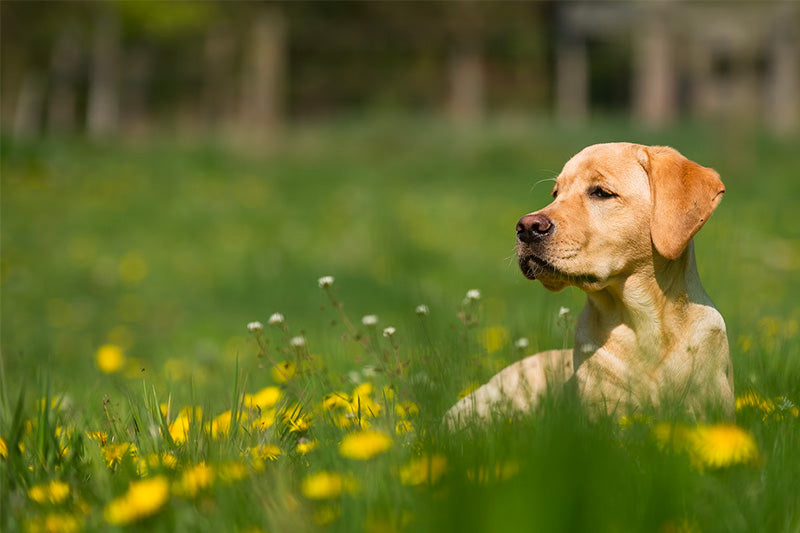
It's also possible that dogs eat grass because it tastes good to them. Yes, you read that right - some dogs seem to enjoy the taste of grass, and it's not uncommon for them to develop a preference for certain types of grass or plants. Whatever the reason, it's essential to understand that eating grass is not a typical behavior for dogs, and it's crucial to monitor your dog's behavior and health to ensure that it's not a sign of an underlying issue.
Potential Health Risks
While eating grass is not usually a cause for concern, there are some potential health risks associated with it. For example, if your dog is eating grass that has been treated with pesticides, herbicides, or other chemicals, they may be ingesting toxic substances that can harm their health. Additionally, if your dog has a gastrointestinal issue, such as gastroenteritis or inflammatory bowel disease, eating grass can exacerbate the condition and lead to more severe symptoms.

Another potential risk is the possibility of intestinal parasites, such as worms or protozoa, which can be present in grass and other plants. If your dog ingests these parasites, they can cause a range of health problems, including diarrhea, vomiting, and weight loss. In rare cases, eating grass can also cause an intestinal blockage or obstruction, which can be life-threatening if left untreated. It's essential to keep an eye on your dog's behavior and health, and seek veterinary attention if you notice any unusual symptoms or changes in their appetite or stool quality.
When to Worry
So, when should you worry about your dog eating grass? If your dog is eating grass occasionally and seems to be in good health, it's likely not a cause for concern. However, if you notice any of the following symptoms or changes in behavior, it's essential to seek veterinary attention:
Increased frequency or volume of grass eating, vomiting or regurgitation after eating grass, diarrhea or loose stools, abdominal pain or discomfort, lethargy or depression, loss of appetite, or weight loss.

Additionally, if your dog has a pre-existing medical condition, such as gastrointestinal disease, kidney disease, or liver disease, eating grass can exacerbate the condition and lead to more severe symptoms. In these cases, it's crucial to monitor your dog's behavior and health closely and seek veterinary attention if you notice any changes or concerns.
If you're concerned about your dog eating grass, it's always best to consult with your veterinarian. They can help you determine the underlying cause of the behavior and provide guidance on how to manage it. In some cases, your veterinarian may recommend a dietary change or supplement to help alleviate any nutritional deficiencies or gastrointestinal issues.

Prevention and Management
While it's not possible to completely prevent your dog from eating grass, there are some steps you can take to reduce the likelihood of it happening. For example, you can try to limit your dog's access to grass, especially if you live in an area where pesticides or other chemicals are commonly used. You can also try to provide your dog with a balanced and nutritious diet that meets their nutritional needs, reducing the likelihood of them seeking out alternative sources of nutrition.
Additionally, you can try to provide your dog with plenty of opportunities for exercise and mental stimulation, reducing the likelihood of boredom or anxiety-related grass eating. You can also try to train your dog to respond to commands, such as "leave it" or "drop it," to help manage the behavior. With patience, consistency, and positive reinforcement, you can help your dog learn to avoid eating grass and develop healthier habits.
In conclusion, while eating grass is not usually a cause for concern, it's essential to monitor your dog's behavior and health to ensure that it's not a sign of an underlying issue. By understanding the reasons why dogs eat grass, being aware of the potential health risks, and taking steps to prevent and manage the behavior, you can help keep your dog happy, healthy, and safe. If you're ever in doubt or concerned about your dog's behavior, it's always best to consult with your veterinarian for guidance and advice.