
As a dog owner, it's natural to feel guilty about leaving your furry friend behind when you head out to work or run errands. But the truth is, dogs are capable of learning to stay alone and even enjoying some quiet time to themselves. Training your dog to stay alone requires patience, consistency, and positive reinforcement. In this article, we'll explore the steps you can take to help your dog feel comfortable and relaxed when left alone.
Understanding Separation Anxiety
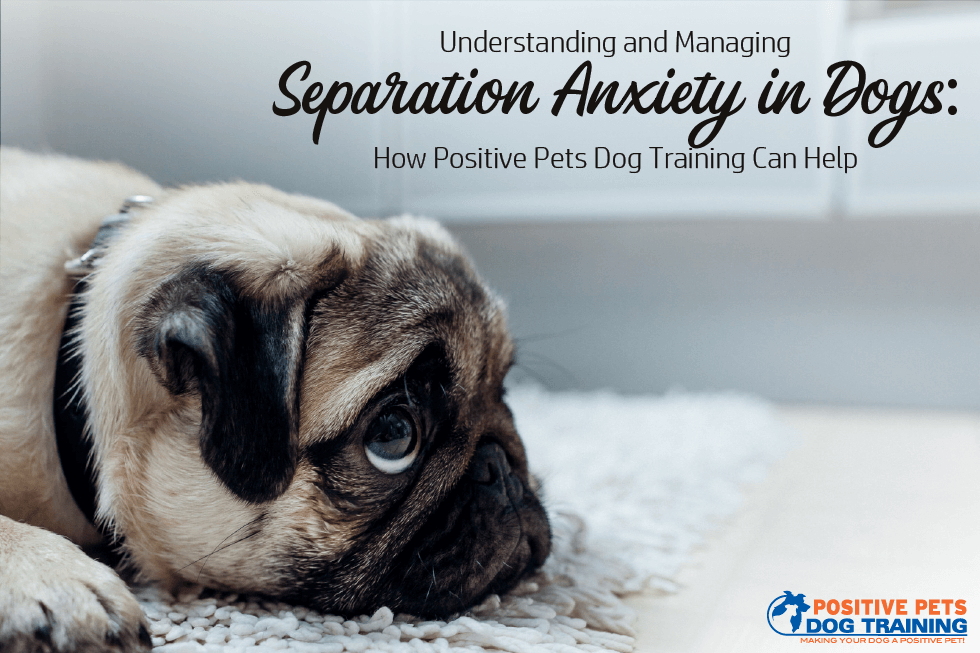
Before we dive into the training process, it's essential to understand separation anxiety in dogs. Separation anxiety is a common behavioral issue that occurs when a dog becomes distressed when left alone. This can manifest in various ways, such as barking, howling, chewing, or even destructive behavior. If your dog is experiencing separation anxiety, it's crucial to address the issue promptly to prevent it from worsening.
 How To Train Dogs to Stay Alone Understanding Separation Anxiety" loading="lazy" style="max-width:700px;width:100%;height:auto;border-radius:8px;">
Identifying the Signs of Separation Anxiety
So, how do you know if your dog is suffering from separation anxiety? Some common signs include pacing, panting, or restlessness when you're preparing to leave the house. Your dog may also exhibit destructive behavior, such as chewing or digging, when left alone. In severe cases, dogs may even injure themselves in an attempt to escape or reunite with their owners. If you suspect that your dog is experiencing separation anxiety, it's essential to consult with a professional dog trainer or behaviorist for guidance.
Now, let's move on to the training process. The key to training your dog to stay alone is to start with small steps and gradually increase the duration of your absence. Begin by leaving your dog alone for short periods, such as 5-10 minutes, and reward them with treats and praise when you return. This will help your dog associate your departure with positive outcomes.
:max_bytes(150000):strip_icc()/Home-Alone_infographic_Final-2-2000-70d5f0deb87d43d28262aaad339e4025.jpg)
Creating a Safe and Comfortable Environment
Creating a safe and comfortable environment is crucial for your dog's emotional well-being when left alone. Make sure your dog has access to a comfortable and quiet space, such as a crate or a separate room, where they can relax and feel secure. You can also provide your dog with familiar objects, such as a blanket or toy, that smell like you to provide reassurance. Additionally, consider providing your dog with engaging activities, such as puzzle toys or interactive games, to keep them occupied and stimulated.
Providing Mental Stimulation
Mental stimulation is essential for dogs, especially when they're left alone. Providing your dog with engaging activities can help reduce boredom, stress, and anxiety. You can try filling a puzzle toy with treats or kibble, or even creating a scavenger hunt with hidden treats around the house. This will challenge your dog's problem-solving skills and keep them occupied for hours.

Another crucial aspect of training your dog to stay alone is to establish a consistent routine. Dogs thrive on routine, and a predictable schedule can help reduce anxiety and uncertainty. Establish a regular schedule for feeding, exercise, and playtime, and stick to it as much as possible. This will help your dog feel secure and develop a sense of trust in your absence.
Gradually Increasing Independence
As your dog becomes more comfortable with your absence, it's essential to gradually increase their independence. Start by leaving your dog alone for longer periods, such as 30 minutes to an hour, and gradually increase the duration over time. You can also try leaving your dog alone in different rooms or areas of the house to help them become more confident and self-assured. Remember to reward your dog with treats and praise when you return, and avoid punishing or scolding them for any misbehavior.
Managing Separation Anxiety
If your dog is experiencing separation anxiety, it's essential to manage the condition with patience, consistency, and positive reinforcement. One effective strategy is to use calming aids, such as pheromone diffusers or calming music, to help reduce your dog's stress and anxiety. You can also try desensitizing your dog to your departure cues, such as putting on your coat or grabbing your keys, to help them become less reactive to your absence.

In conclusion, training your dog to stay alone requires patience, consistency, and positive reinforcement. By creating a safe and comfortable environment, providing mental stimulation, establishing a consistent routine, and gradually increasing independence, you can help your dog feel confident and relaxed when left alone. Remember to address separation anxiety promptly and seek professional guidance if necessary. With time and effort, your dog can learn to thrive when left alone, and you can enjoy peace of mind knowing that your furry friend is happy and content.
Additional Tips and Resources
If you're struggling to train your dog to stay alone, there are many additional resources available to help. Consider consulting with a professional dog trainer or behaviorist, or seeking guidance from online communities and forums. You can also try using dog training apps or software to help you track your dog's progress and stay connected with them remotely. Whatever approach you choose, remember to stay patient, consistent, and positive, and you'll be well on your way to helping your dog become a happy and confident solo performer.