
As a dog owner, it's natural to want to share your favorite fruits with your furry friend. But before you do, it's essential to know which fruits are safe for them to eat. One popular fruit that's often questioned is the mango. Can dogs eat mango safely? In this article, we'll delve into the world of canine nutrition and explore the answer to this question. We'll also discuss the benefits and risks associated with feeding mango to your dog, as well as some helpful tips on how to introduce this fruit into their diet.
Introduction to Mangoes
Mangoes are a delicious and nutritious fruit that's rich in vitamins, minerals, and antioxidants. They're a great source of fiber, vitamins A and C, and potassium. Mangoes are also low in calories and fat, making them a popular choice for humans looking to maintain a healthy diet. But what about dogs? Can they enjoy the same benefits from eating mangoes? The answer is yes, but with some caveats. While mangoes are not toxic to dogs, they do pose some risks that need to be considered.
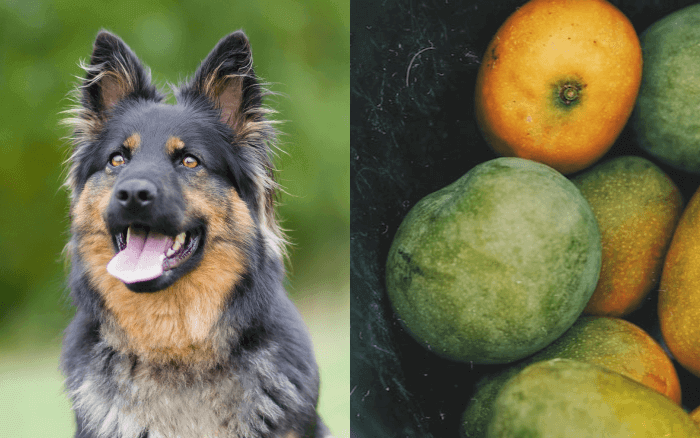
A ripe mango is a treat for humans, but for dogs, it's essential to remove the pit and skin before serving. The pit, in particular, can be a choking hazard, and the skin can cause digestive issues. So, if you're planning to share your mango with your dog, make sure to prepare it properly. But what about the nutritional benefits? Mangoes are a good source of fiber, which can help support healthy digestion in dogs. They're also rich in vitamins and minerals, including vitamin A, which is essential for maintaining healthy skin and coat.
Nutritional Benefits of Mangoes for Dogs
So, what exactly do mangoes offer dogs in terms of nutrition? As mentioned earlier, mangoes are a good source of fiber, vitamins, and minerals. They're also low in calories and fat, making them a relatively healthy treat option. But it's essential to remember that dogs have different nutritional needs than humans. While mangoes can be a nutritious addition to their diet, they should not replace their regular meals. A balanced diet that includes a variety of fruits, vegetables, and protein sources is still essential for maintaining your dog's overall health and well-being.

Another benefit of feeding mangoes to dogs is that they can help support healthy digestion. The fiber content in mangoes can help regulate bowel movements and prevent constipation. Additionally, the antioxidants and vitamins in mangoes can help boost your dog's immune system, reducing the risk of illness and disease. But what about the risks? While mangoes are not toxic to dogs, they can still cause some problems if not fed in moderation.
Risks Associated with Feeding Mangoes to Dogs
One of the main risks associated with feeding mangoes to dogs is the potential for digestive upset. The high fiber content in mangoes can cause stomach upset, diarrhea, and vomiting in some dogs. This is especially true if your dog is not used to eating fiber-rich foods. Additionally, the pit and skin of the mango can cause choking hazards or intestinal blockages if ingested. So, it's crucial to remove these parts before serving the mango to your dog.

Another risk to consider is the sugar content in mangoes. While mangoes are a natural source of sugar, they can still cause a spike in blood sugar levels in dogs. This can be particularly problematic for dogs with diabetes or those who are prone to weight gain. So, if you're planning to feed mangoes to your dog, make sure to do so in moderation and as an occasional treat. It's also essential to monitor your dog's behavior and health after introducing mangoes into their diet.
How to Introduce Mangoes into Your Dog's Diet
So, how can you introduce mangoes into your dog's diet safely? The first step is to consult with your veterinarian, especially if your dog has food allergies or sensitivities. They can help you determine the best way to introduce mangoes and ensure that they won't cause any adverse reactions. Once you've got the green light, start by feeding small amounts of mango to your dog, such as a slice or two. Monitor their behavior and health, and gradually increase the amount over time.

It's also essential to choose ripe, fresh mangoes that are free of mold and bacteria. Wash the mango thoroughly before serving, and remove the pit and skin to minimize the risk of choking hazards or digestive issues. You can also try freezing or dehydrating mango slices to make them a fun and healthy treat for your dog. Just remember to always prioritize your dog's health and safety, and never feed them anything that could potentially harm them.
In conclusion, can dogs eat mango safely? The answer is yes, but with some precautions. While mangoes are not toxic to dogs, they can still cause digestive upset, choking hazards, and sugar spikes if not fed in moderation. By introducing mangoes into your dog's diet slowly and in small amounts, you can help minimize these risks and ensure that your furry friend enjoys the nutritional benefits of this delicious fruit. So, go ahead and share your mango with your dog, but always prioritize their health and safety above all else.
As a dog owner, it's essential to stay informed about the latest research and recommendations on canine nutrition. By doing so, you can provide your dog with the best possible diet and ensure that they live a long, happy, and healthy life. And remember, always consult with your veterinarian before making any significant changes to your dog's diet. They can help you make informed decisions and ensure that your dog receives the nutrients they need to thrive.
Final Thoughts
Feeding mangoes to dogs can be a fun and rewarding experience, but it's crucial to do so responsibly. By following the guidelines outlined in this article, you can help ensure that your dog enjoys the nutritional benefits of mangoes while minimizing the risks. And remember, a balanced diet that includes a variety of fruits, vegetables, and protein sources is still essential for maintaining your dog's overall health and well-being. So, go ahead and enjoy the sweet taste of mangoes with your furry friend, but always prioritize their health and safety above all else.
In the end, the decision to feed mangoes to your dog should be based on their individual needs and health status. If you're unsure about whether mangoes are right for your dog, consult with your veterinarian for personalized advice. They can help you make informed decisions and ensure that your dog receives the best possible care. And with a little patience, love, and care, you and your dog can enjoy the many benefits of mangoes together.
Thanks for reading, and we hope you found this article helpful. If you have any questions or concerns about feeding mangoes to your dog, please don't hesitate to reach out. We're always here to help. And remember, a healthy and happy dog is a joyful companion, so let's do everything we can to give them the best possible life.