
As a dog owner, you know how important it is to keep your furry friend clean and well-groomed. One of the most essential parts of dog grooming is brushing their hair. Not only does it help to remove tangles and mats, but it also helps to distribute natural oils throughout their coat, keeping it healthy and shiny. In this article, we'll take a closer look at how to brush dog hair properly, including the different types of brushes you can use and some helpful tips to make the process easier and more enjoyable for both you and your dog.
Choosing the Right Brush
Before you start brushing your dog's hair, it's essential to choose the right brush for the job. There are several different types of brushes available, each designed for specific coat types and lengths. For example, if your dog has a short, smooth coat, a rubber brush or a soft-bristle brush may be the best choice. These types of brushes are gentle on the skin and can help to remove loose hair and distribute natural oils. On the other hand, if your dog has a long, thick coat, a slicker brush or a pin brush may be more suitable. These brushes have longer bristles that can reach deep into the coat, removing tangles and mats with ease.

In addition to the type of coat your dog has, you should also consider their individual personality and preferences when choosing a brush. Some dogs may be sensitive to certain types of brushes or may have areas of their body that are more sensitive than others. For example, if your dog has sensitive skin around their ears or paws, you may want to choose a brush with softer bristles or avoid brushing these areas altogether.
Types of Brushes
There are several different types of brushes available for dogs, each with its own unique characteristics and benefits. Some of the most common types of brushes include:
Slicker brushes: These brushes have fine teeth that are designed to remove tangles and mats from long, thick coats. They are typically used on dogs with curly or wavy coats, such as poodles or bichon frise.
Pin brushes: These brushes have long, thin bristles that are designed to reach deep into the coat, removing tangles and mats with ease. They are typically used on dogs with long, straight coats, such as golden retrievers or labradors.
Rubber brushes: These brushes have soft, flexible bristles that are designed to be gentle on the skin. They are typically used on dogs with short, smooth coats, such as bulldogs or pugs.
Bristle brushes: These brushes have natural or synthetic bristles that are designed to distribute natural oils throughout the coat, keeping it healthy and shiny. They are typically used on dogs with medium-length coats, such as beagles or boxers.
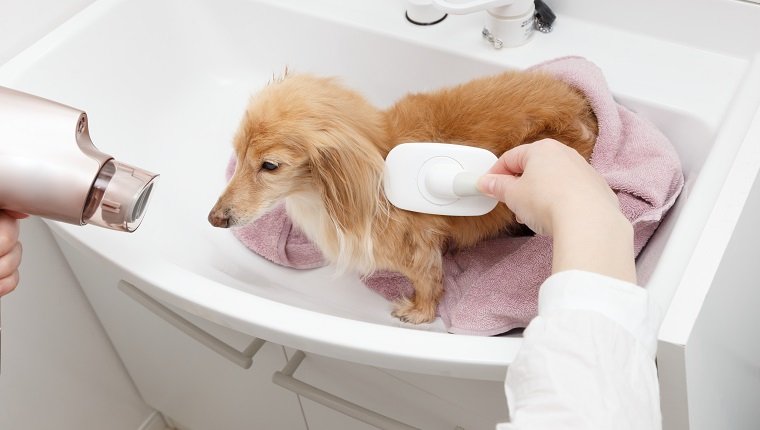
It's worth noting that some brushes are designed for specific tasks, such as dematting or deshedding. Dematting brushes have specially designed teeth that can help to gently work out mats and tangles, while deshedding brushes have bristles that are designed to remove loose hair and reduce shedding.
Brushing Techniques
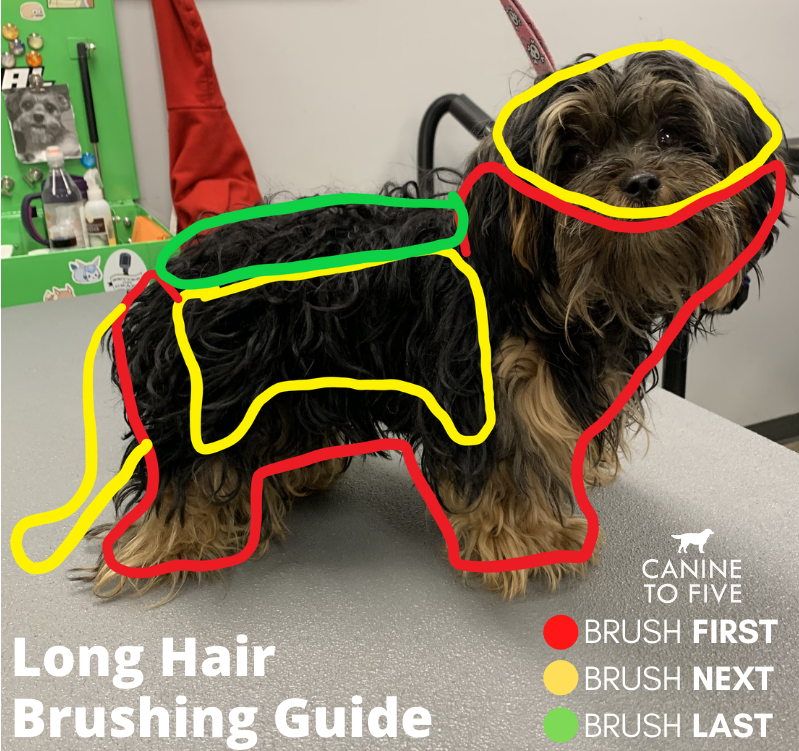
Once you've chosen the right brush for your dog, it's time to start brushing. The key to brushing your dog's hair properly is to be gentle and patient. Start by brushing your dog in sections, working from head to tail. This will help to prevent matting and tangling, and will also make it easier to remove loose hair and distribute natural oils.
When brushing your dog, it's essential to be gentle and avoid pulling or tugging on their hair. This can be painful for your dog and can also cause breakage and split ends. Instead, use long, smooth strokes to work out tangles and mats, and use a gentle touch to remove loose hair and distribute natural oils.
It's also important to brush your dog regularly, ideally 2-3 times a week. This will help to prevent matting and tangling, and will also keep your dog's coat clean and healthy. Regular brushing can also help to reduce shedding, which can be a problem for many dog owners.

In addition to brushing your dog's hair, it's also important to pay attention to their skin and overall health. Brushing can help to distribute natural oils and keep the skin healthy, but it's also important to keep an eye out for any signs of skin problems or irritation. If you notice any redness, itching, or flaking, you should consult with a veterinarian to determine the best course of treatment.
Another important thing to keep in mind when brushing your dog's hair is to make it a positive experience for both you and your dog. Many dogs enjoy being brushed, and it can be a great way to bond with your pet. However, some dogs may be nervous or anxious about being brushed, especially if they're not used to it. If this is the case, it's essential to start slowly and gently, using positive reinforcement techniques such as treats and praise to help your dog feel more comfortable and relaxed.

Finally, it's worth noting that brushing your dog's hair can have a range of benefits beyond just keeping their coat clean and healthy. Regular brushing can help to reduce stress and anxiety, improve circulation, and even strengthen the bond between you and your dog. So why not give it a try? With the right brush and a little patience, you can keep your dog's coat looking its best and enjoy the many benefits of regular brushing.
Common Mistakes to Avoid
While brushing your dog's hair can be a great way to keep their coat clean and healthy, there are some common mistakes to avoid. One of the most common mistakes is using the wrong type of brush for your dog's coat. This can lead to matting, tangling, and even breakage, especially if you're using a brush that's too harsh or abrasive.
Another common mistake is brushing too hard or pulling on your dog's hair. This can be painful for your dog and can also cause breakage and split ends. Instead, use long, smooth strokes to work out tangles and mats, and use a gentle touch to remove loose hair and distribute natural oils.
It's also important to avoid brushing your dog's hair when it's wet or dirty. This can make it more prone to matting and tangling, and can also make it more difficult to brush. Instead, brush your dog's hair when it's dry and clean, ideally after a bath or shower.
Finally, it's essential to be patient and gentle when brushing your dog's hair. Brushing can be a relaxing and enjoyable experience for both you and your dog, but it can also be stressful or overwhelming if you're not careful. Take your time, use positive reinforcement techniques, and make sure to give your dog plenty of breaks and praise.
Tips and Tricks
In addition to choosing the right brush and using the right techniques, there are a few tips and tricks you can use to make brushing your dog's hair easier and more enjoyable. One of the most helpful tips is to start slowly and gently, especially if your dog is nervous or anxious about being brushed. Begin with short sessions and gradually increase the length and frequency as your dog becomes more comfortable.
Another helpful tip is to use positive reinforcement techniques such as treats and praise to encourage your dog to enjoy the brushing process. This can help to create a positive association with brushing and make it a more enjoyable experience for both you and your dog.
You can also try brushing your dog in different locations, such as in the park or at the beach, to make it a more exciting and enjoyable experience. Just be sure to choose a location that's safe and comfortable for your dog, and avoid brushing in areas with loud noises or distractions.
Finally, it's worth considering the benefits of brushing your dog's hair in different directions. Brushing in the direction of growth can help to prevent matting and tangling, while brushing in the opposite direction can help to remove loose hair and distribute natural oils. Experiment with different techniques to find what works best for your dog's coat and skin type.
In conclusion, brushing your dog's hair is an essential part of dog grooming that can help to keep their coat clean and healthy. By choosing the right brush, using the right techniques, and avoiding common mistakes, you can keep your dog's coat looking its best and enjoy the many benefits of regular brushing. Whether you're a seasoned dog owner or a newcomer to the world of dog grooming, we hope this article has provided you with some helpful tips and tricks to make brushing your dog's hair a positive and enjoyable experience for both you and your dog.