
As a dog owner, it's natural to want to share your favorite foods with your furry friend. But when it comes to coconut flesh, you might be wondering if it's safe for your dog to eat. In this article, we'll delve into the world of canine nutrition and explore the pros and cons of feeding your dog coconut flesh. So, grab a cup of coffee, get comfortable, and let's dive in.
What is Coconut Flesh?
Coconut flesh, also known as coconut meat, is the white, fleshy interior of a coconut. It's a popular ingredient in many human recipes, from baked goods to savory dishes. Coconut flesh is high in healthy fats, protein, and fiber, making it a nutritious addition to a human diet. But what about dogs? Can they benefit from the nutritional goodness of coconut flesh, or are there potential risks to consider?
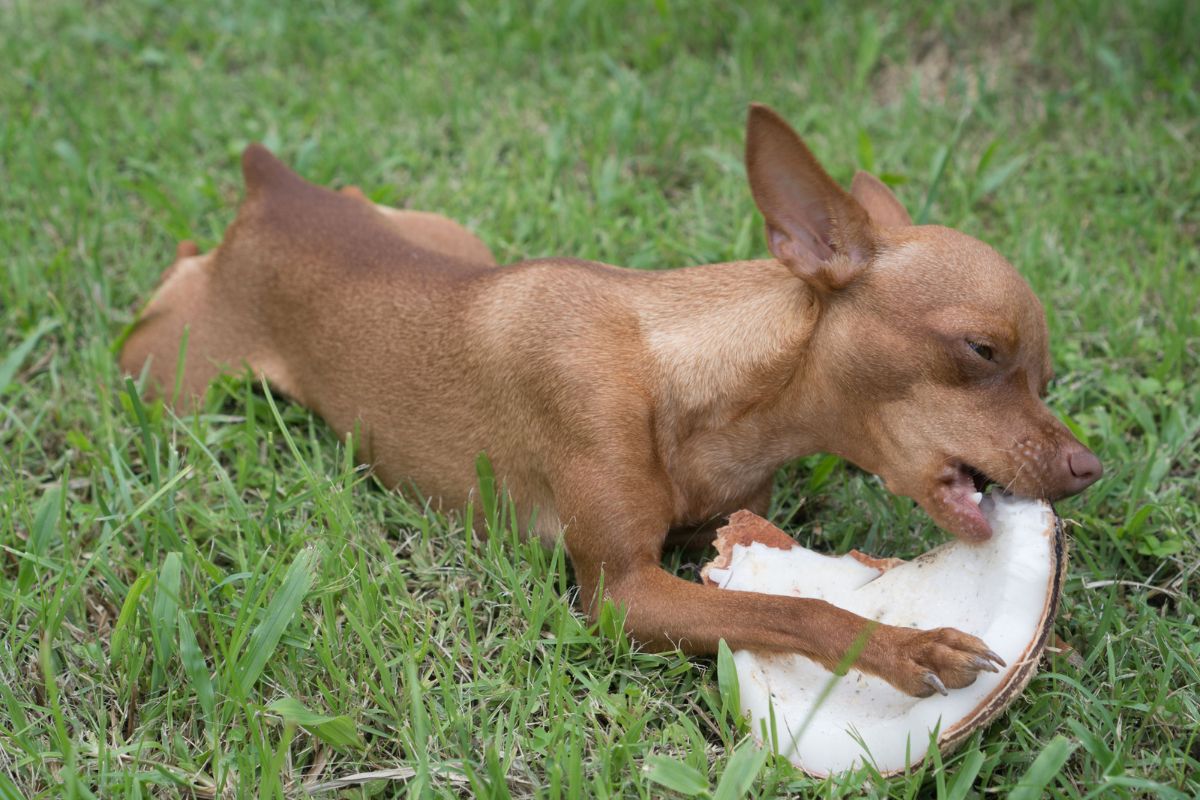
 Can Dogs Eat Coconut Flesh What is Coconut Flesh" loading="lazy" style="max-width:700px;width:100%;height:auto;border-radius:8px;">
Nutritional Benefits of Coconut Flesh for Dogs
Coconut flesh contains a unique combination of nutrients that can be beneficial for dogs. The medium-chain triglycerides (MCTs) in coconut flesh, such as lauric acid and capric acid, have antimicrobial and anti-inflammatory properties that may help support your dog's immune system. Additionally, coconut flesh is rich in fiber, which can help promote digestive health and support healthy bowel movements. Some dog owners also swear by the benefits of coconut flesh for their dog's skin and coat, claiming it can help reduce shedding and improve overall health.
However, it's essential to note that dogs have different nutritional requirements than humans. While coconut flesh can be a healthy addition to a human diet, it's crucial to consider the potential risks and benefits before sharing it with your furry friend. So, let's take a closer look at the potential downsides of feeding your dog coconut flesh.
Potential Risks of Feeding Your Dog Coconut Flesh
While coconut flesh can be a nutritious addition to a human diet, there are some potential risks to consider when feeding it to your dog. One of the primary concerns is the high fat content of coconut flesh. Dogs can be sensitive to high amounts of fat, which can cause pancreatitis, a painful and potentially life-threatening condition. Additionally, some dogs may experience gastrointestinal upset, such as diarrhea or vomiting, after eating coconut flesh.

Another potential risk to consider is the risk of choking or obstruction. Coconut flesh can be a choking hazard, especially for small dogs or puppies, and can also cause intestinal blockages if swallowed in large amounts. Furthermore, some dogs may be allergic to coconut, which can cause skin irritation, itching, and other allergic reactions.
How to Feed Your Dog Coconut Flesh Safely
If you still want to share coconut flesh with your dog, there are some precautions you can take to minimize the risks. First and foremost, it's essential to introduce coconut flesh gradually and in small amounts to prevent gastrointestinal upset. Start with a tiny amount, such as a teaspoon or two, and monitor your dog's reaction before increasing the amount.
It's also crucial to choose the right type of coconut flesh. Opt for plain, unsweetened coconut flesh that's free from additives and preservatives. Avoid giving your dog coconut milk or coconut oil, as these can be high in calories and fat. Additionally, be sure to remove any shells or hard pieces that can be a choking hazard.

Alternatives to Coconut Flesh for Dogs
If you're concerned about the potential risks of feeding your dog coconut flesh, there are plenty of alternative ingredients you can use to support their health and wellbeing. For example, you can try adding a small amount of coconut oil to their food, which can provide similar benefits to coconut flesh without the risks. Other healthy alternatives include pumpkin, sweet potatoes, and green beans, which can provide essential fiber, vitamins, and minerals.
It's also worth considering adding a canine-specific supplement to your dog's diet. There are many high-quality supplements available that can provide essential nutrients and support overall health. However, always consult with your veterinarian before adding any new supplements to your dog's diet, as they can interact with other medications or have adverse effects.
Consulting with Your Veterinarian
When it comes to your dog's diet, it's always best to err on the side of caution. If you're considering adding coconut flesh or any other new ingredient to your dog's diet, it's essential to consult with your veterinarian first. They can provide personalized advice and guidance based on your dog's individual needs, health status, and dietary requirements.
Your veterinarian can also help you identify potential food allergies or sensitivities, which can be a common issue in dogs. By working together with your veterinarian, you can create a tailored diet plan that meets your dog's unique needs and supports their overall health and wellbeing.
Conclusion
In conclusion, while coconut flesh can be a nutritious addition to a human diet, it's essential to approach with caution when it comes to feeding it to your dog. By understanding the potential risks and benefits, introducing coconut flesh gradually and in small amounts, and consulting with your veterinarian, you can make an informed decision about whether coconut flesh is right for your furry friend.
Remember, every dog is different, and what works for one dog may not work for another. By prioritizing your dog's health and wellbeing, and seeking professional advice when needed, you can help your dog live a happy, healthy life. So, go ahead and share your favorite human foods with your dog – but always do so with caution and consideration for their unique needs and requirements.