Training dogs to follow signals is an essential part of dog ownership, whether you're a seasoned dog owner or a newcomer to the world of canine companionship. Dogs are intelligent animals that thrive on structure and clear communication, and teaching them to respond to signals is a great way to strengthen your bond and ensure their safety. In this article, we'll explore the ins and outs of training dogs to follow signals, from the basics of dog communication to advanced training techniques.
Understanding Dog Communication
Before we dive into the nitty-gritty of training, it's essential to understand how dogs communicate. Dogs are highly attuned to body language and non-verbal cues, and they use a variety of signals to convey their thoughts and intentions. By understanding these signals, you can better communicate with your dog and build a stronger relationship. For example, a dog that's leaning forward with its ears perked up is likely interested and engaged, while a dog that's backing away with its tail tucked between its legs is probably feeling anxious or fearful.
 How To Train Dogs to Follow Signals Understanding Dog Communication" loading="lazy" style="max-width:700px;width:100%;height:auto;border-radius:8px;">
The Importance of Consistency
Consistency is key when it comes to training dogs to follow signals. Dogs thrive on routine and clear communication, and inconsistent signals can confuse and frustrate them. To avoid this, it's essential to establish a set of clear, consistent signals that your dog can recognize and respond to. This might include hand signals, verbal cues, or a combination of both. For example, you might use a hand signal to indicate "sit" and a verbal cue to indicate stay.By using consistent signals, you can help your dog understand what you want them to do and build trust in your relationship.
Choosing the Right Signals
When it comes to choosing signals, it's essential to consider your dog's individual needs and personality. Some dogs respond well to verbal cues, while others prefer hand signals or a combination of both. You might also want to consider the context in which you'll be using the signals. For example, if you'll be using the signals in a noisy environment, you may want to opt for hand signals or a combination of verbal and hand signals. It's also important to keep your signals simple and clear, avoiding complex or confusing cues that might confuse your dog.
 How To Train Dogs to Follow Signals Basic Training Techniques" loading="lazy" style="max-width:700px;width:100%;height:auto;border-radius:8px;">
Basic Training Techniques
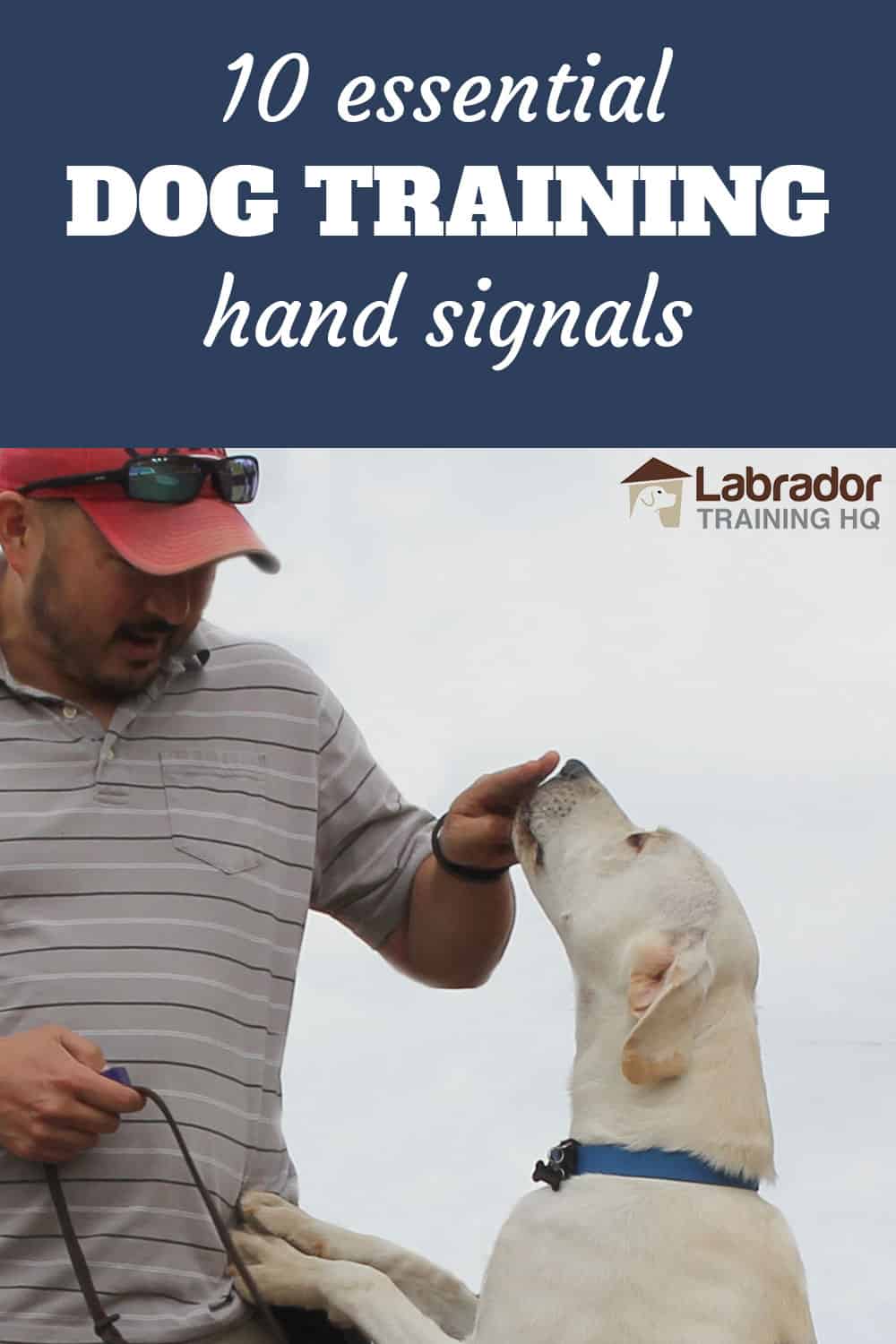
Now that we've covered the basics of dog communication and signal selection, it's time to dive into some basic training techniques. One of the most effective ways to train dogs to follow signals is through positive reinforcement. This involves rewarding your dog with treats, praise, and affection when they respond correctly to a signal. For example, if you're teaching your dog to "sit" on command, you might hold a treat above their head and slowly move it backwards towards their tail. As they follow the treat with their nose, their bottom will lower into a sitting position. The moment they're in the correct position, you can give them the treat and praise them for a job well done.
Another effective training technique is repetition and practice. Dogs are creatures of habit, and they thrive on routine and repetition. By practicing your signals regularly, you can help your dog become more responsive and accurate in their responses. It's also essential to be patient and calm during training, avoiding punishment or negative reinforcement. This can create anxiety and fear in your dog, making it more challenging to train them.
 How To Train Dogs to Follow Signals Common Challenges and Solutions" loading="lazy" style="max-width:700px;width:100%;height:auto;border-radius:8px;">
Advanced Training Techniques
Once your dog has mastered the basics of signal recognition, you can start to introduce more advanced training techniques. One of the most effective ways to challenge your dog and improve their responsiveness is through distraction training. This involves introducing distractions, such as other people, dogs, or noises, while you're training your dog. By gradually increasing the level of distraction, you can help your dog become more focused and responsive to your signals. You can also try training your dog in different locations and contexts, such as in the park or at the beach, to help them generalize their learning and respond to signals in a variety of situations.
Training in Different Contexts
Training your dog in different contexts is an essential part of advanced training. By exposing your dog to a variety of environments and situations, you can help them become more confident and responsive to your signals. For example, you might train your dog in a quiet room at home, then gradually introduce them to noisier environments, such as a park or a busy street. You can also try training your dog in different weather conditions, such as rain or snow, to help them become more adaptable and responsive to your signals.

Common Challenges and Solutions
Despite the many rewards of training dogs to follow signals, there are also some common challenges and obstacles to overcome. One of the most common challenges is inconsistency, where the dog becomes confused by mixed signals or inconsistent rewards. To avoid this, it's essential to establish a clear and consistent training routine, with regular practice and repetition. You should also avoid punishing or scolding your dog for mistakes, as this can create anxiety and fear, making it more challenging to train them.
Another common challenge is distraction, where the dog becomes distracted by their environment or other stimuli. To overcome this, you can try using higher-value rewards, such as treats or toys, to capture your dog's attention and focus. You can also try training your dog in a quiet, distraction-free environment, then gradually introducing them to more distracting situations. By being patient, consistent, and positive, you can help your dog overcome these challenges and become a more responsive and reliable companion.
Training dogs to follow signals is a rewarding and challenging process that requires patience, consistency, and positive reinforcement. By understanding dog communication, choosing the right signals, and using effective training techniques, you can help your dog become a more responsive and reliable companion. Whether you're a seasoned dog owner or a newcomer to the world of canine companionship, the tips and techniques outlined in this article can help you build a stronger, more loving relationship with your dog.